December 5, 2025
Jaipur, the vibrant capital of Rajasthan, is a city where royal heritage, rich culture, and colorful streets converge. Known as the Pink City for its distinct terracotta-colored buildings, Jaipur is a living testimony to India’s regal past. Founded in 1727 by Maharaja Sawai Jai Singh II, the city was meticulously planned with wide streets, imposing forts, and grand palaces, reflecting both Rajput valor and Mughal artistry.
Every year, Jaipur attracts millions of travelers from across the world. From sprawling forts and palaces to bustling bazaars and vibrant festivals, the city offers a perfect blend of history, culture, and adventure. To truly make the most of your Jaipur experience, it’s crucial to understand the best season to visit Jaipur, the city’s climate patterns, and its top attractions. Based on all this information, you can decide on the places to visit in Jaipur, Rajasthan!
Best Season to Visit Jaipur
Jaipur experiences a semi-arid climate, characterized by hot summers, cool winters, and a brief monsoon period. While the city can technically be visited year-round, your experience varies greatly depending on the season. Planning your trip according to the weather in Jaipur ensures you enjoy sightseeing comfortably, indulge in cultural festivals, and navigate the city with ease.
1. Winter (October – March) – The Ideal Season
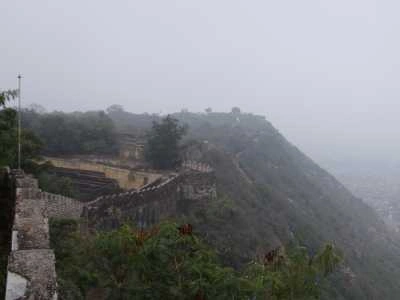
- Weather: Winter in Jaipur is mild and pleasant, with temperatures ranging from 8°C to 25°C. The cool mornings and evenings make walking around forts, gardens, and markets a delight.
- Why Visit: Winter is widely regarded as the best time to travel to Rajasthan and Jaipur. The weather is ideal for exploring historical monuments, outdoor markets, and architectural wonders without the discomfort of extreme heat.
- Festivals: The winter months are also festival season. Diwali (October–November) lights up the city with lamps and fireworks. Teej celebrates monsoon traditions with traditional songs and dances, while the Elephant Festival features beautifully decorated elephants, camel rides, and processions, offering a once-in-a-lifetime cultural immersion.
- Travel Tips: Light jackets are advisable for chilly mornings and evenings. Being the peak tourist season, it’s recommended to book accommodations, guided tours, and sightseeing packages in advance to avoid last-minute hassles.
- Highlights: Winter is perfect for exploring outdoor attractions like Amber Fort, Hawa Mahal, City Palace, and the bustling Johari Bazaar, where handcrafted jewelry and textiles await.
2. Summer (April – June) – For Adventure Seekers
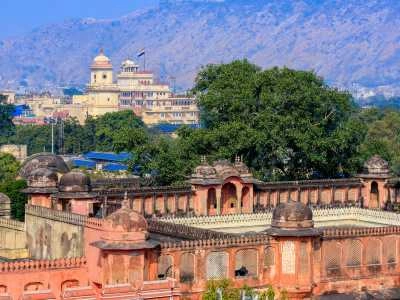
- Weather: Summer in Jaipur can be extreme, with daytime temperatures soaring up to 45°C. The heat is dry but intense, making midday sightseeing challenging.
- Why Visit: For travelers who can handle the heat, summer offers a quieter experience. Major attractions are less crowded, and many hotels offer discounted summer packages, making it a budget-friendly season.
- Travel Tips: Schedule outdoor sightseeing for early mornings or late afternoons when temperatures are lower. Always carry water, sunscreen, hats, and light cotton clothing to stay comfortable. Indoor attractions, such as Albert Hall Museum and palace museums, provide a cool respite from the sun.
- Highlights: Summer is ideal for photography under clear skies, especially at Jantar Mantar and Jaigarh Fort, where panoramic views of the city shine in the bright sunlight. Evening strolls along Bapu Bazaar or Tripolia Bazaar allow you to shop without the peak-season rush.
3. Monsoon (July – September) – Lush and Green
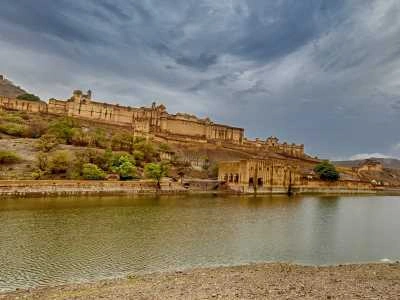
- Weather: Jaipur’s monsoon season brings moderate rainfall, with temperatures ranging from 25°C to 35°C. Occasional showers refresh the city, making the landscape greener and cooler.
- Why Visit: Monsoon transforms Jaipur into a lush, vibrant city, creating unique opportunities for photography and exploring the countryside. The rains soften the harsh desert-like hues of Rajasthan, giving a fresh, colorful contrast to forts and palaces.
- Travel Tips: Carry umbrellas and waterproof shoes to navigate wet streets. Drive carefully to hilltop forts like Nahargarh and Jaigarh, as roads may become slippery during heavy rains.
- Highlights: The monsoon season offers a different perspective of Jaipur’s architecture and gardens. Forts like Nahargarh and Jaigarh glisten after rain, and the lush green gardens around City Palace and Sisodia Rani Palace are in full bloom. The weather is also ideal for exploring nearby villages and taking scenic drives outside the city.
Top Tourist Places to See in Jaipur, Rajasthan
Jaipur, the Pink City of India, is a living museum of royal heritage, culture, and vibrant markets. Its historic landmarks, majestic forts, palaces, and bustling bazaars make it a treasure trove for travelers. Whether you’re a history buff, culture enthusiast, photographer, or shopaholic, Jaipur has something for everyone. Here’s a detailed guide to the must-visit tourist places in Jaipur.
1. Amber Fort
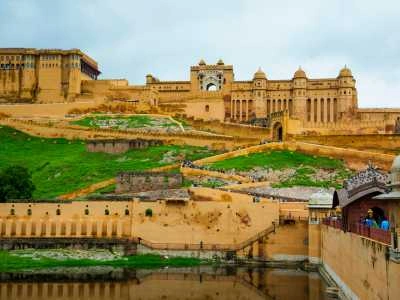
Amber Fort, perched on a hilltop overlooking Maota Lake, is a magnificent example of Rajput architecture with Mughal influences.
- Highlights: Explore sprawling courtyards, the Diwan-i-Aam (Hall of Public Audience), and the Sheesh Mahal (Mirror Palace) adorned with intricate glasswork. Don’t miss the Ganesh Pol gateway, which showcases exquisite frescoes.
- Best Time to Visit: Early morning for cooler temperatures and fewer crowds. Sunset is also beautiful for photography.
- Tip: Experience the elephant ride up to the fort entrance for a royal feel, or take a jeep ride for a more comfortable ascent.
- Why Visit: Amber Fort provides a glimpse into Rajasthan’s regal past and is a perfect combination of grandeur and history.
2. City Palace
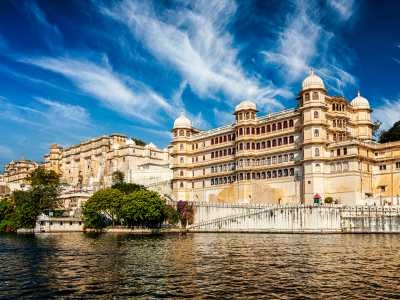
City Palace is the heart of Jaipur, representing centuries of royal opulence and architectural brilliance.
- Highlights: A sprawling complex of courtyards, gardens, and museums housing weapons, textiles, royal costumes, and traditional Rajasthani art. Don’t miss the Chandra Mahal and Mubarak Mahal, which showcase a perfect blend of Rajput and Mughal architectural styles.
- Why Visit: To understand the cultural and historical heritage of Jaipur, and to see artifacts reflecting the royal lifestyle of the Maharajas.
- Best Time to Visit: Morning or late afternoon to avoid heat and explore at leisure.
- Tip: Guided tours are highly recommended to learn the stories behind the palaces and artifacts.
3. Hawa Mahal
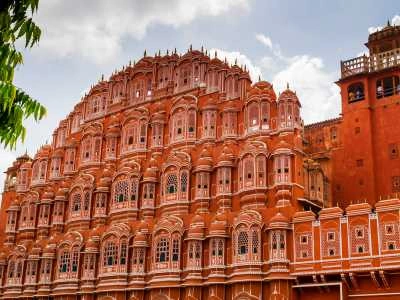
The iconic “Palace of Winds” is Jaipur’s most photographed landmark, instantly recognizable by its 953 intricately carved windows (jharokhas).
- Highlights: Designed for royal women to observe street life without being seen, Hawa Mahal is a perfect example of Rajput ingenuity.
- Tip: Visit in the morning for soft sunlight filtering through the windows, making it ideal for photography.
- Best Time to Visit: Morning or early evening when light is perfect, and crowds are manageable.
- Why Visit: Hawa Mahal is a blend of history, architecture, and cultural significance, symbolizing Jaipur’s unique heritage.
4. Jantar Mantar
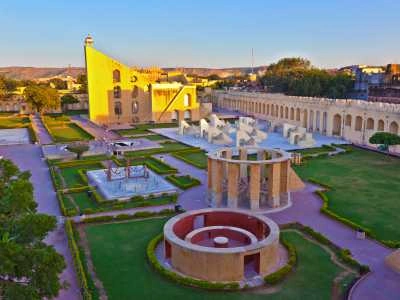
A UNESCO World Heritage Site, Jantar Mantar is an astronomical observatory built by Maharaja Sawai Jai Singh II in the 18th century.
- Highlights: Features 19 architectural astronomical instruments, including the world’s largest stone sundial (Samrat Yantra).
- Why Visit: Gain a fascinating insight into ancient Indian science, astronomy, and architectural precision. It’s a rare opportunity to see how rulers used instruments to measure time, celestial positions, and predict eclipses.
- Best Time to Visit: Morning or late afternoon for better lighting and comfort.
- Tip: Hiring a guide will help you understand the function of each instrument.
5. Nahargarh and Jaigarh Forts
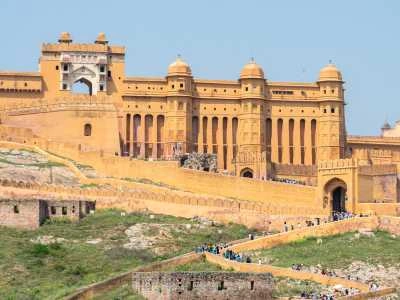
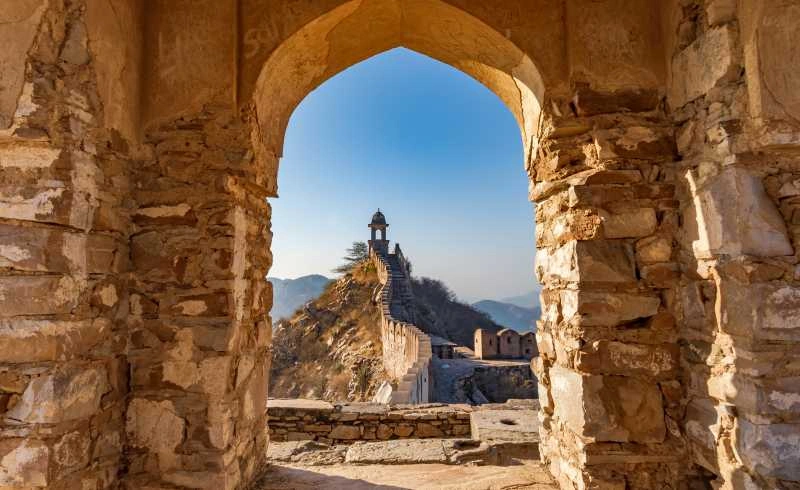
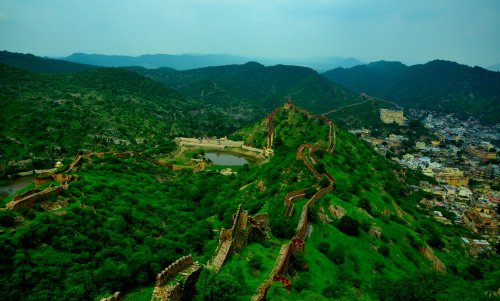
These hilltop forts offer panoramic views of Jaipur city and majestic Rajasthani landscapes.
- Highlights: Explore massive walls, watchtowers, and historic battlements. Nahargarh Fort also features a palatial retreat once used by the royal family. Jaigarh Fort houses the world’s largest cannon on wheels, Jaivana.
- Best Time to Visit: Sunset is perfect for photography, with Jaipur bathed in golden light.
- Why Visit: For breathtaking views of the city, sunset photography, and to experience Jaipur’s military history.
- Tip: Wear comfortable shoes; some trekking is involved to reach viewpoints.
6. Albert Hall Museum
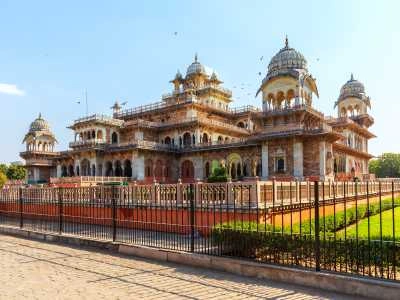
A classic Indo-Saracenic style museum in Jaipur, Albert Hall Museum is the state museum of Rajasthan.
- Highlights: Houses Rajasthani paintings, sculptures, textiles, and artifacts from different eras. Its exterior is a beautiful architectural gem with well-lit gardens.
- Why Visit: Ideal for history enthusiasts and art lovers, offering insight into Rajasthan’s artistic and cultural heritage.
- Best Time to Visit: Late afternoon to avoid peak crowds and enjoy evening lighting.
- Tip: Photography is allowed outside; check for permissions inside.
7. Local Bazaars – Johari, Bapu & Nehru Bazaar
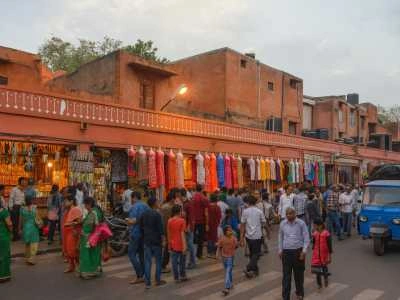
Jaipur’s vibrant bazaars are an essential part of the cultural experience.
- Highlights: Johari Bazaar for jewelry and gemstones, Bapu Bazaar for Rajasthani textiles, handicrafts, and mojris, and Nehru Bazaar for souvenirs and casual shopping.
- Why Visit: Experience authentic local life, colorful streets, and the chance to bring home traditional Rajasthani crafts.
- Tip: Bargaining is customary, so brush up on negotiation skills to get the best deals. Morning or late afternoon visits are best to avoid the peak heat.
Additional Must-See Attractions in Jaipur
- Sisodia Rani Garden & Palace: Famous for its terraces, fountains, and murals.
- Galtaji Temple (Monkey Temple): A historic pilgrimage site with natural water tanks and playful monkeys.
- Albert Hall Night Light Show: Illuminates the museum and gardens beautifully in the evening.
- Chokhi Dhani: An ethnic village resort where you can experience Rajasthani food, folk music, and traditional arts.
Expert Tip: Jaipur is best explored over 3–4 days to truly enjoy the forts, palaces, museums, and bazaars without rush. Guided tours or curated Jaipur tour packages can enhance your experience, offering insights into history, architecture, and local culture.
Best Month to Visit Jaipur
Choosing the right month can make a big difference in your overall travel experience. Jaipur’s weather varies significantly throughout the year, so here’s a more detailed guide to help you plan your trip:
October to March – Peak Tourist Season (Best for Sightseeing)
These months offer the most pleasant weather with warm days and cool nights. It’s the perfect time to explore Jaipur’s forts & palaces, markets, and heritage walks.
- Ideal for: Outdoor sightseeing, cultural experiences, photography, Jaipur guided tours
- Bonus: This period aligns with festivals like Diwali, Pushkar Fair, Jaipur Literature Festival, Teej, and the Elephant Festival, making it the best time to witness Rajasthan’s vibrant culture.
April to June – For a Quieter, Budget-Friendly Trip
Summer months are hot (sometimes extremely hot), but the city is less crowded.
- Ideal for: Travelers who prefer peace, indoor attractions, and discounted Jaipur tour packages
- Bonus: Hotels offer excellent summer deals, and major attractions like Amber Fort, Hawa Mahal, and City Palace are less busy.
July to September – Monsoon Magic
Monsoon brings refreshing showers that turn Jaipur lush, green, and beautifully photogenic.
- Ideal for: Nature lovers, photographers, and those who enjoy scenic views
- Bonus: Hilltop attractions like Nahargarh Fort, Jaigarh Fort, and city gardens look especially beautiful after rain.
Jaipur Travel Packages & Guided Tours
Jaipur offers a wide range of travel packages tailored to different preferences and budgets:
Jaipur Guided Tours
Perfect for first-time visitors, these tours cover Jaipur’s top attractions, Amber Fort, City Palace, Jantar Mantar, Hawa Mahal, and local bazaars.
Local guides bring stories alive with insights into Rajput history, architecture, and hidden gems within the Pink City.
Rajasthan Tour Packages
Many Rajasthan itineraries include Jaipur along with:
- Udaipur: City of Lakes
- Jodhpur: The Blue City
- Pushkar: Famous for its temple and camel fair
These multi-city tours offer a complete cultural and historical immersion.
Luxury Tour Packages
For premium travelers, Jaipur offers heritage stays at:
- Rambagh Palace
- Samode Haveli
- Fairmont Jaipur
Luxury tour packages may include private chauffeurs, personalized guides, curated dining, and exclusive experiences like elephant interactions or royal dining setups.
Travel Tips for Jaipur
Keep these essential tips in mind for a smooth Jaipur trip:
- Clothing:
- Summers: Lightweight cottons and breathable fabrics
- Winters: Layered clothing, especially for early mornings and nights
- Transport:
Auto-rickshaws, taxis, and ride-sharing apps like Uber and Ola are widely available and convenient.
- Food:
Don’t miss iconic Rajasthani dishes such as:
- Dal Baati Churma
- Gatte ki Sabzi
- Pyaz Kachori from Rawat
- Laal Maas, a spicy mutton delicacy
- Photography:
Sunrise and sunset hours offer the best lighting for capturing Amber Fort, Jal Mahal, Hawa Mahal, and cityscapes.
- Cultural Etiquette:
Dress modestly at temples, be respectful during aartis, and follow local norms while photographing people or religious rituals.
Temperature in Jaipur, India (Average)
| Month |
Avg Max Temp |
Avg Min Temp |
| Jan |
24°C |
8°C |
| Feb |
27°C |
10°C |
| Mar |
33°C |
15°C |
| Apr |
38°C |
21°C |
| May |
40°C |
25°C |
| Jun |
42°C |
28°C |
| Jul |
35°C |
27°C |
| Aug |
34°C |
26°C |
| Sep |
33°C |
25°C |
| Oct |
30°C |
20°C |
| Nov |
27°C |
14°C |
| Dec |
24°C |
10°C |
This temperature guide helps you plan clothing, sightseeing hours, and travel comfort throughout the year.
Final Thoughts
The best season to visit Jaipur is undoubtedly October to March, when pleasant weather, cultural festivals, and clear skies make sightseeing enjoyable. From wandering through majestic forts and palaces to shopping in bustling bazaars or savoring authentic Rajasthani cuisine, Jaipur offers a perfect blend of heritage, culture, food, and adventure.
Whether you’re planning a short weekend getaway, a week-long exploration of Rajasthan, or a curated Jaipur guided tour, the Pink City guarantees an unforgettable experience filled with royal charm and timeless beauty.




 18884507235