


When Is the Best Time to Visit Mumbai, India? Weather & Travel Guide
Mumbai, the financial capital of India, is a city of striking contrasts, colonial architecture beside modern skyscrapers, serene sea views alongside buzzing streets, and age-old...


 18884507235

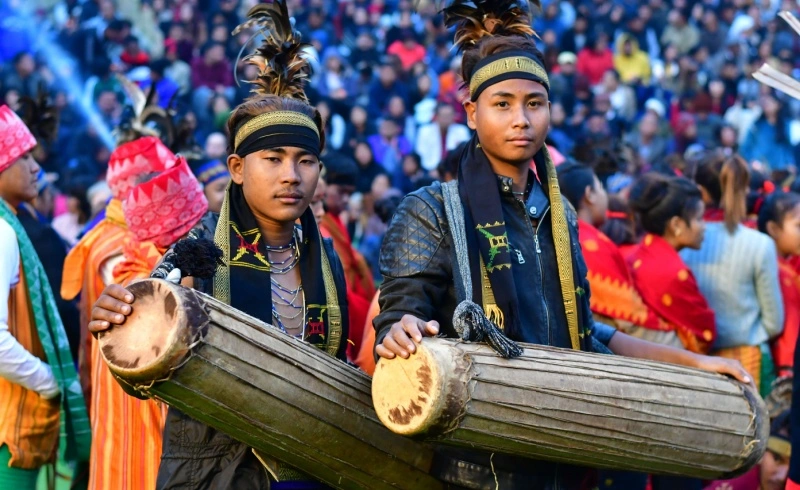
The Seven Sisters of India refer to a group of seven northeastern states known for their breathtaking landscapes, vibrant tribal cultures, biodiversity, and distinct identities. When people ask, “What are Seven Sisters in India?”, they are referring to Arunachal Pradesh, Assam, Meghalaya, Manipur, Mizoram, Nagaland, and Tripura.
Collectively called the Seven Sister States of India, this region forms one of the most culturally rich and ecologically diverse parts of the country. For travelers exploring Seven Sisters India tourism, this region offers everything from snow-capped mountains and living root bridges to tribal festivals and tea gardens.
The term “Seven Sisters” was popularised in 1972 to highlight the shared political, economic, and cultural interdependence of these northeastern states. Geographically connected by the narrow Siliguri Corridor (often called the “Chicken’s Neck”), the region shares borders with Bhutan, China, Myanmar, and Bangladesh.
Each state has its own language, traditions, cuisine, and festivals making India’s Seven Sisters unlike any other region in the country.
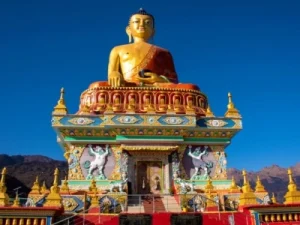
Arunachal Pradesh is India’s easternmost state and the first to receive sunrise. It is home to over 20 major tribes, including the Monpa, Apatani, and Adi communities. Tibetan Buddhist monasteries coexist with indigenous animist traditions.
March to June and October to April
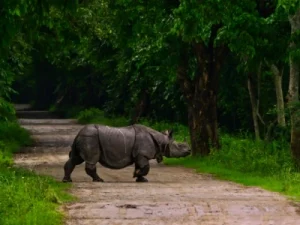
Assam is the cultural and economic heart of the Seven Sisters India region. It is known for its tea plantations, classical Sattriya dance, and the festival of Bihu.
October to April
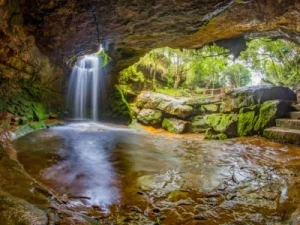
Meghalaya is known for its matrilineal society, where lineage and inheritance pass through women. The Khasi, Garo, and Jaintia tribes define the region’s cultural landscape.
October to April
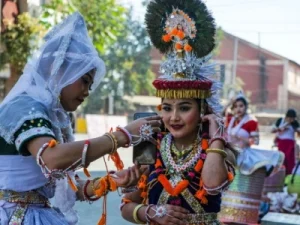
Manipur blends Vaishnavite traditions with indigenous tribal heritage. It is the birthplace of the classical dance form Manipuri Ras Leela and modern polo.
October to March
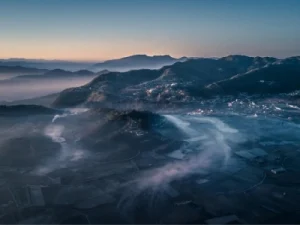
Mizoram is predominantly inhabited by the Mizo tribe. Christianity plays a significant role in cultural life, and the state is known for its high literacy rate and strong community spirit.
November to March
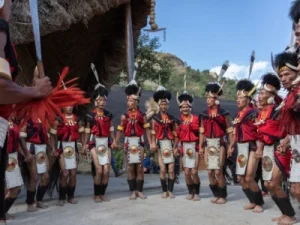
Nagaland is home to 16 major tribes, each with its own language, attire, and customs. The state is globally recognised for the Hornbill Festival, often called the “Festival of Festivals.”
October to May
(Hornbill Festival: December)
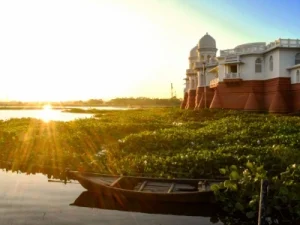
Tripura blends tribal culture with Bengali influence. The Manikya dynasty ruled the region for centuries, leaving behind architectural and cultural legacies.
October to March
The Seven Sisters region is a mosaic of over 200 tribes and sub-tribes, each with distinct languages, textiles, music, and culinary traditions.
Unlike mainstream Indian culture, the Seven Sisters preserve indigenous identities that remain deeply connected to nature and community.
Tourism in the Seven Sisters India region is growing steadily due to:
Travelers seeking alternatives to crowded metropolitan destinations increasingly consider the 7 Sisters of India for authentic and immersive journeys.
The best time to visit Seven Sisters largely depends on your travel interests.
| Season | Months | Ideal For |
| Winter | October – March | Sightseeing, festivals, trekking |
| Summer | April – June | Pleasant hill travel |
| Monsoon | July – September | Lush greenery (but heavy rainfall in Meghalaya & Assam) |
Overall, October to April is considered the most comfortable period for exploring the Seven Sister States of India.
When searching online, you may encounter listings for Seven Sisters Resort properties across India. However, these are independent hospitality brands and not directly linked to the seven northeastern states. Always verify location before booking.
India’s Seven Sisters are not just geographic entities, they represent a cultural frontier where South Asia meets Southeast Asia. The region is vital for India’s biodiversity, border security, and cultural diversity.
In recent years, improved infrastructure, better air connectivity, and eco-tourism initiatives have made Seven Sisters India tourism more accessible than ever.
The Seven Sisters of India offer a rare travel experience, where mist-covered mountains, tribal traditions, monasteries, wildlife reserves, and vibrant festivals coexist in harmony. Whether you are drawn to the living root bridges of Meghalaya, the monasteries of Arunachal, or the cultural festivals of Nagaland, the 7 Sisters in India promise journeys that are immersive, authentic, and unforgettable.
For travelers seeking something beyond conventional tourism, India’s Seven Sisters remain one of the country’s most rewarding and culturally rich destinations.
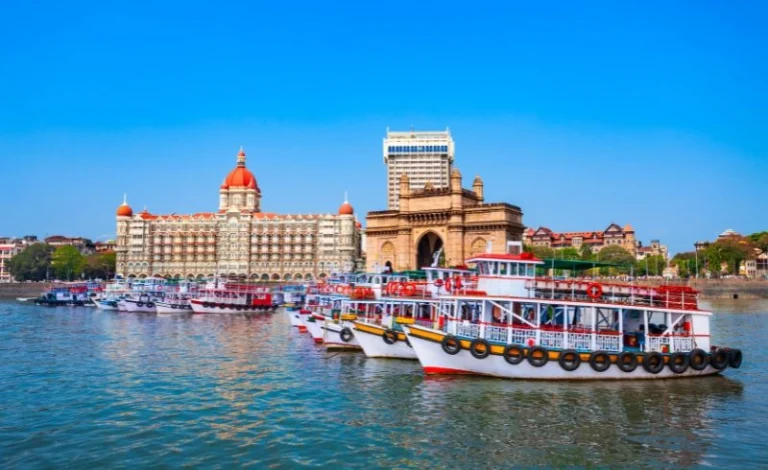
Mumbai, the financial capital of India, is a city of striking contrasts, colonial architecture beside modern skyscrapers, serene sea views alongside buzzing streets, and age-old...
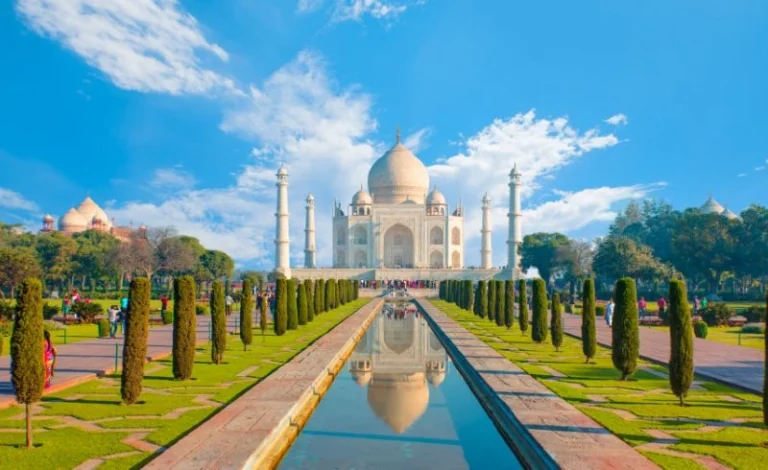
The Taj Mahal stands as one of the most visited and admired monuments in the world, drawing travelers to Agra for its architectural brilliance, historical...
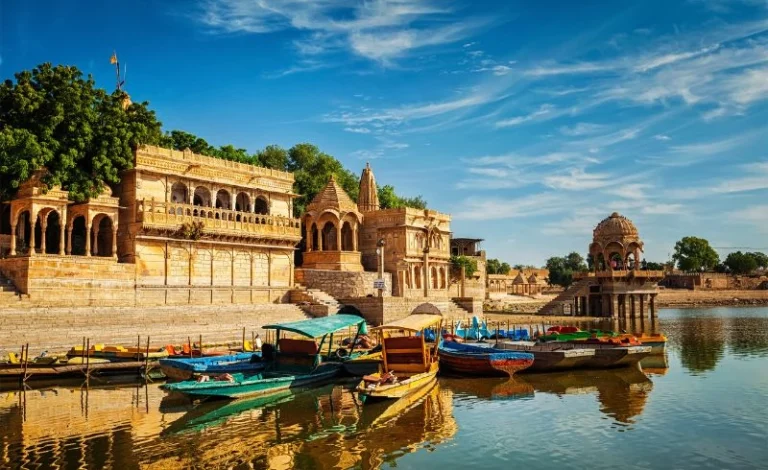
March marks the beginning of pleasant spring weather, blooming landscapes, and the onset of the festive season, making it one of the best months to...
You are one step closer to having the best journey of your lifetime! Talk to us, write to us all that you have envisioned for your India trip, and one of our travel experts will connect with you on priority. To help you explicitly we have WhatsApp and Email addresses!


