


Seven Sisters of India: Culture, Traditions & Must-Visit Places
The Seven Sisters of India refer to a group of seven northeastern states known for their breathtaking landscapes, vibrant tribal cultures, biodiversity, and distinct identities....


 18884507235


India is a land of incredible diversity, geographically, culturally, and climatically. From the snow-covered Himalayas to sun-kissed beaches, dense jungles, and royal deserts, every region offers a different travel experience. Because of this vast variety, knowing the best season to visit India becomes essential for planning a comfortable and memorable trip.
Whether you’re searching for the best time of year to travel to India, the best month to visit India, or the ideal season to explore specific regions like North India or South India, this guide walks you through India’s weather, major travel seasons, and a detailed month-by-month breakdown.
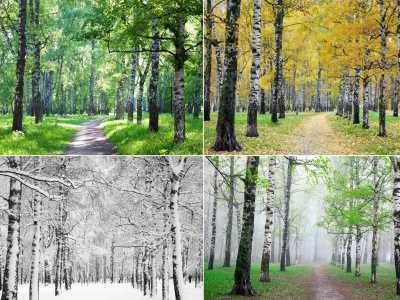
The best time to travel to India is generally October to March, when the weather is pleasant across most of the country. Winter brings comfortable temperatures, clear skies, and ideal conditions for cultural sightseeing, wildlife tours, and outdoor activities.
However, India’s diverse terrain means the best season to go to India can vary depending on your destination:
India experiences three main seasons:
Below is a full guide to each season and the best time of year to visit India depending on the kind of holiday you want.
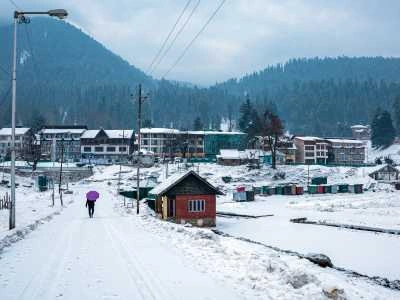
Winter is widely regarded as the best season to visit India, with pleasant temperatures across most regions.
Festivals like Diwali, Christmas, New Year, Holi (March), and Republic Day (January) make this period even more vibrant.

Summer can be intense in the plains, with temperatures rising above 40°C, but it is the best time to visit Northern India’s hill regions.
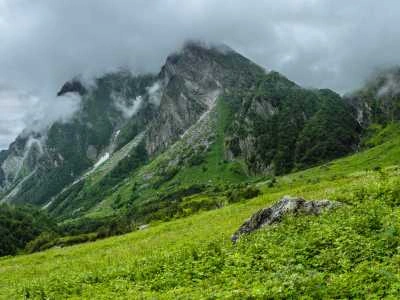
Monsoon rains bring lush greenery, dramatic skies, and quieter destinations, perfect for slow travel and Ayurvedic rejuvenation.
| Travel Interest | Best Time to Visit | Why |
| Cultural Sightseeing | October–March | Best weather across major cities |
| Wildlife Safaris | October–June | Dry forests increase animal sightings |
| Beaches | November–March | Ideal sea conditions |
| Himalayas | March–June & Sept–Nov | Clear, cool weather |
| Ayurveda & Wellness | July–September | Traditional belief treatments work best |
| Desert Experience | October–February | Cooler and comfortable |
| Temple Tours | October–March | Lower humidity and pleasant climate |
| Season | Temperature Range |
| Winter | 10°C – 25°C |
| Summer | 25°C – 45°C |
| Monsoon | 23°C – 35°C |
The best season to visit India is undeniably October to March, when the weather is the most pleasant for exploring the country’s rich heritage, vibrant cities, wildlife reserves, and beaches. But each season brings its own charm, summer opens up the Himalayas, while monsoon reveals India’s lush, green side.
Whether you’re planning a cultural journey, a Himalayan adventure, a family vacation, or a luxury India tour, understanding the best time of year to go to India ensures a comfortable and unforgettable travel experience.
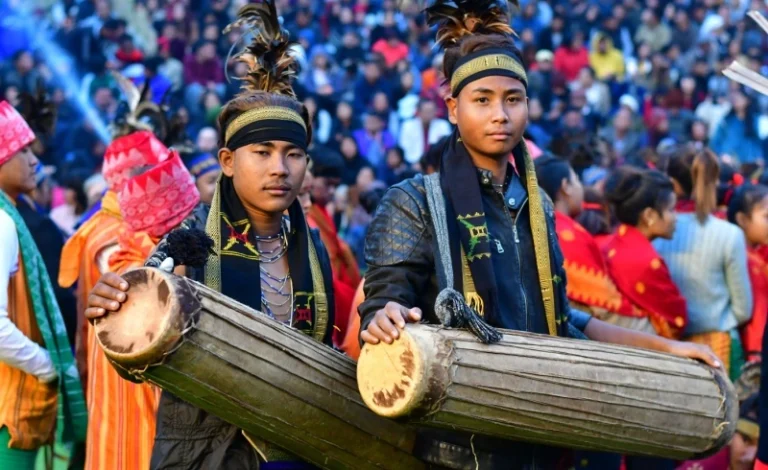
The Seven Sisters of India refer to a group of seven northeastern states known for their breathtaking landscapes, vibrant tribal cultures, biodiversity, and distinct identities....
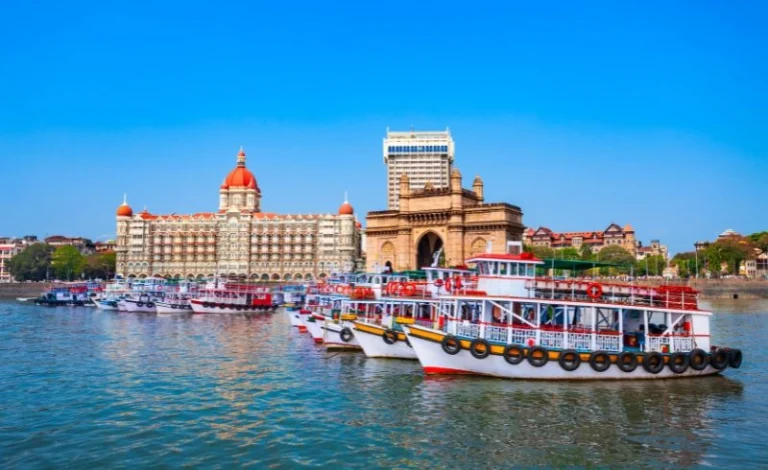
Mumbai, the financial capital of India, is a city of striking contrasts, colonial architecture beside modern skyscrapers, serene sea views alongside buzzing streets, and age-old...
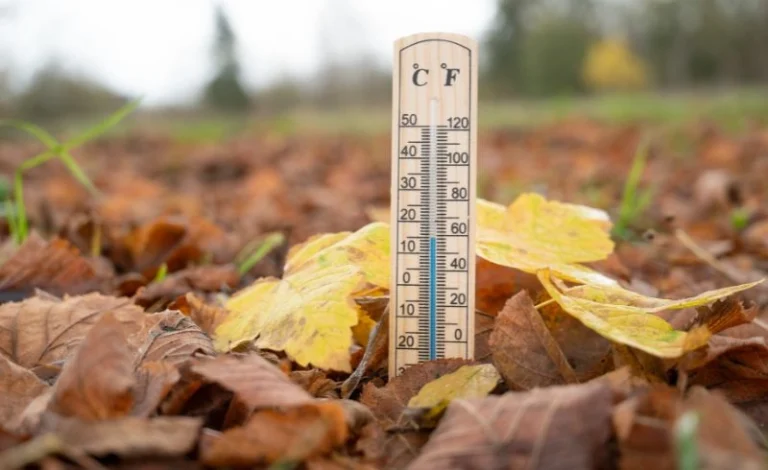
When people ask, “Is it warm or cold in India?”, the honest answer is: both, depending on where and when you go. India is vast,...
You are one step closer to having the best journey of your lifetime! Talk to us, write to us all that you have envisioned for your India trip, and one of our travel experts will connect with you on priority. To help you explicitly we have WhatsApp and Email addresses!


