January 20, 2026
When people ask, “Is it warm or cold in India?”, the honest answer is: both, depending on where and when you go. India is vast, stretching from the snowy Himalayas in the north to the tropical coasts in the south. Its climate varies dramatically, which makes describing the average weather in India both fascinating and a little tricky.
In this detailed guide, we’ll describe the climate of India, break down India’s weather all year, highlight hot months in India, explain does India have winter?, and give you a clear picture of what to expect, whether you’re traveling, relocating, or just curious about how hot or cold it can get.
Understanding the Climate of India
So, what is the climate like in India?
India’s climate is shaped by its geography, monsoons, and topography. You’ll find everything from tropical weather in South India to temperate zones in the Himalayas.
Broadly, the India climate can be described as:
- Tropical monsoon in most regions
- Alpine and cold desert in the northern mountains
- Arid and semi-arid in western India (like Rajasthan)
- Humid coastal zones in the south and east
Because of this diversity, the temperature in India is not uniform. Asking “is it warm or cold in India?” is like asking the same about all of Europe at once,it really depends on the region and season.
Does India Have Winter? Does It Get Cold in India?
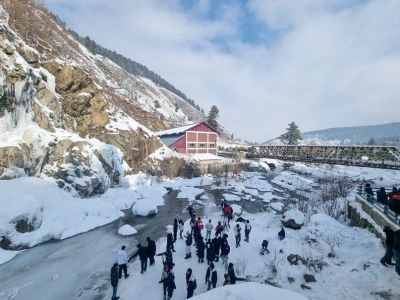
Yes, India does have winter, but it’s not the same everywhere.
- In North India (Delhi, Punjab, Rajasthan, Uttar Pradesh), winters (December to February) can be chilly. The climate of North India sees temperatures dropping to 5°C or even below 0°C in some places. Cities like Delhi experience fog, while hill stations like Shimla and Manali see snowfall.
- In South India, winters are mild. Weather in South India during winter is pleasantly warm, with average temps in India’s southern states around 20–25°C. No snow, just cooler evenings.
- In the Himalayas, winter is intense. It’s freezing cold with heavy snow, especially from Kashmir to Arunachal Pradesh.
- In coastal areas (Goa, Kerala, Tamil Nadu), winter is barely noticeable. Temperatures hover around 24–28°C, perfect for tourists.
So yes, India does get cold in some regions, but many parts remain comfortably warm even in December and January.
How Hot Is It in India? How Hot Can It Get?

If winter is mild in much of India, summer is a completely different story.
- Summer months in India are typically March to June.
- How hot does it get in India? In northern plains and central India, temperatures in summer in India often reach 40–45°C (104–113°F). In some desert regions like Rajasthan, it can touch 50°C (122°F).
- Weather in South India during summer is humid and sticky rather than scorching dry heat, with average temps in India’s coastal belts around 32–36°C.
The hottest month in India is usually May, though April and June are nearly as hot in many regions.
So, how hot is India in the summer? Let’s just say you’ll want light clothing, sunscreen, and plenty of water.
Summers in India: What to Expect

If you’re wondering “how hot is India in the summer?”, here’s a snapshot:
- Plains & cities (Delhi, Lucknow, Jaipur): 40–45°C, very dry.
- Coastal areas (Goa, Chennai, Mumbai): 32–36°C, very humid.
- Hill stations (Shimla, Ooty, Munnar): Pleasant 20–25°C, perfect escape.
The Indian summer climate is intense in the plains but mild in the mountains. That’s why locals and tourists flock to hill stations during summer.
India’s Weather All Year: Month-by-Month Breakdown
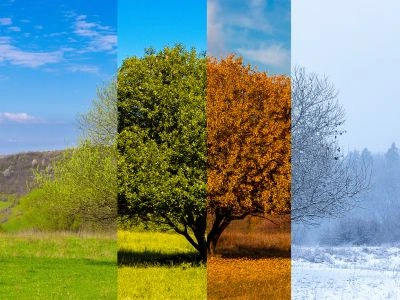
To really answer “is it warm or cold in India?”, let’s look at India’s weather by month and region. This helps you understand what the weather is like in India at different times of year.
January – February (Winter Peak)
- North India: Cold mornings (5–10°C), fog in plains, snow in hills.
- South India: Pleasant, 20–25°C, ideal for beach trips.
- Does it get cold in India? Yes, especially in the north.
March – April (Spring to Early Summer)
- North India: Warming up fast, 20–30°C.
- South India: Still comfortable, 25–32°C.
- Great weather for sightseeing before the real heat hits.
May – June (Summer Peak)
- How hot is it in India now? Extremely.
- North/Central India: 35–45°C, sometimes higher.
- South India: Hot and humid, around 32–36°C.
- Hottest month in India: Usually May.
July – September (Monsoon Season)
- India’s summer climate gives way to rain.
- Heavy rains in most regions except Rajasthan and Ladakh.
- Average temps in India: Drop slightly to 25–32°C due to clouds.
- Great for lush scenery but challenging for travel in flooded areas.
October – November (Post-Monsoon to Early Winter)
- Weather in North India: Cooling down to 15–25°C.
- Weather in South India: Warm and pleasant, 24–30°C.
- Ideal travel months, with clear skies and mild weather.
Average Weather in India: Regional Overview
Weather in North India
- Climate: Extremes of hot and cold.
- Summer: 35–45°C.
- Winter: 5–15°C (can go below zero in hills).
- Monsoon: July–September, heavy rain.
- Examples: Delhi, Jaipur, Varanasi, Himachal Pradesh hill stations.
Weather in South India
- Climate: Tropical, warm year-round.
- Summer: 30–36°C, humid.
- Winter: 20–25°C, mild and comfortable.
- Examples: Kerala, Tamil Nadu, Karnataka, Goa.
Weather in East India
- Climate: Humid subtropical to tropical.
- Summer: 30–38°C.
- Winter: 12–20°C (cool but not harsh).
- Monsoon: Very heavy rainfall in Assam, Meghalaya, Bengal.
Weather in West India
- Climate: Arid desert to coastal humid.
- Summer: Desert heat can exceed 45°C.
- Winter: Mild, around 10–20°C.
- Examples: Rajasthan, Gujarat, Maharashtra.
Weather in the Himalayas
- Climate: Alpine.
- Summer: Pleasant (15–25°C).
- Winter: Freezing cold, heavy snow, sub-zero temps.
- Examples: Kashmir, Himachal Pradesh, Uttarakhand, Arunachal Pradesh.
Is India Tropical? Is India Humid?
- Is India tropical?
Large parts of India, especially South India, the northeast, and coastal belts, have a tropical climate. This means hot summers, heavy monsoon rains, and mild winters.
- Is India humid?
Yes, in coastal regions and during monsoon, India can be very humid. Places like Chennai, Mumbai, and Kolkata experience sticky, high humidity levels most of the year. However, northwest India (Rajasthan, Punjab) is dry and arid.
So, India is both tropical and dry, depending on where you are.
What Is the Average Temperature in India?
While it varies by region, the average temperature in India over the year is around:
- Winter: 10–20°C (50–68°F) in most places, colder in the north, warmer in the south.
- Summer: 30–40°C (86–104°F), hotter in the north and west.
- Monsoon: 25–32°C (77–90°F) with high humidity.
When you ask “temperature in India right now,” it really depends on whether you’re in Delhi’s desert heat, Kerala’s humid coast, or Kashmir’s snowy mountains.
Key Takeaways: Is It Warm or Cold in India?
- Does India have winter? Yes, but it’s cold only in the north and mountains.
- Does it get cold in India? Yes, even freezing, but only in northern states and high altitudes.
- How hot can it get in India? Up to 50°C in desert regions during peak summer.
- What is the weather like in India overall? Mostly warm to hot, tropical in many parts, with seasonal rain.
- Is India humid? Yes, especially along coasts and during the monsoon.
- Is India tropical? Largely yes, except the far north which is temperate or alpine.
In short, India’s weather is incredibly diverse. When planning travel or relocation, consider India weather by month and region rather than relying on a single description.
India Weather Travel Tips
- Visiting in winter (Nov–Feb)? Pack light jackets for the north, light clothes for the south.
- Visiting in summer (Mar–Jun)? Bring breathable cotton, hats, sunscreen, and stay hydrated.
- Visiting during monsoon (Jul–Sep)? Carry waterproof gear and check for flood advisories.
- Hill stations year-round? Always pack an extra layer; nights can be cool even in summer.
Final Word: What Is the Weather Like in India All Year?
India is neither always hot nor always cold, it’s a patchwork of climates.
- In North India, expect cold winters and scorching summers.
- In South India, expect warm, humid weather year-round with mild seasonal changes.
- In the Himalayas, prepare for snowy winters and cool summers.
- In the deserts of Rajasthan, brace for blistering summer heat and cool winter nights.
So, next time someone asks “Is it warm or cold in India?”, you’ll know the answer: It’s both, and everything in between. The temperature in India depends entirely on where and when you go, making it one of the most climatically diverse countries in the world.




 18884507235