


Seven Sisters of India: Culture, Traditions & Must-Visit Places
The Seven Sisters of India refer to a group of seven northeastern states known for their breathtaking landscapes, vibrant tribal cultures, biodiversity, and distinct identities....


 18884507235

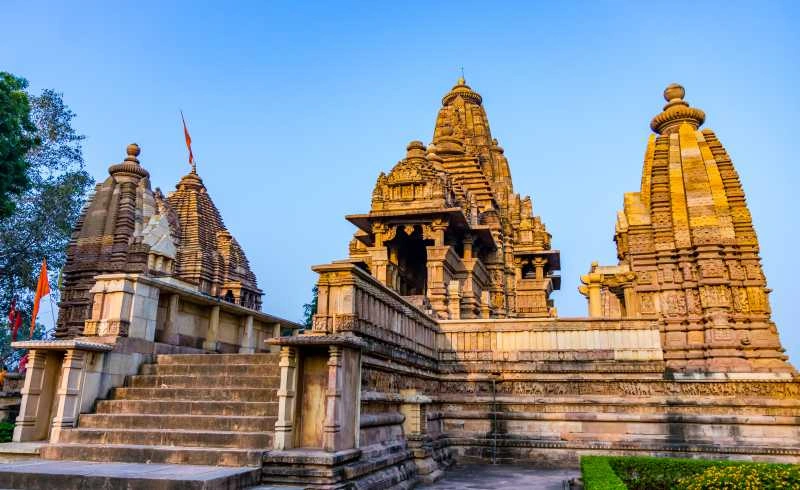
South India is home to some of the most breathtaking temples in the world, living testaments to devotion, architecture, and timeless artistry. Each south Indian temple tells a story of dynasties that once ruled, of sculptors whose hands shaped stone into devotion, and of a faith that continues to thrive for millennia.
From the intricate carvings of Tamil Nadu to the grand temple towns of Karnataka, Kerala, and Andhra Pradesh, these temples in South India stand as symbols of cultural pride and spiritual depth. Here’s a list of 20 famous temples in South India you must visit to experience their divine grandeur and ancient craftsmanship.
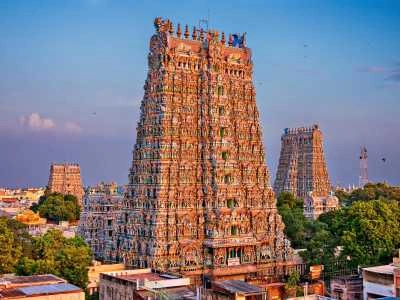
The Meenakshi Amman Temple is one of the most iconic spiritual landmarks in South India and a masterpiece of Dravidian architecture. Spread across a vast complex with 14 magnificent gopurams, the temple is a riot of color, sculptures, and mythology. Each tower is adorned with thousands of vibrantly painted figures depicting gods, goddesses, demons, celestial beings, and mythological scenes.
Dedicated to Goddess Meenakshi, the divine queen of Madurai, and Lord Sundareshwar, the temple is the heart of the city, both culturally and spiritually.
Inside, the famed Hall of Thousand Pillars, the sacred ponds, and daily rituals create an atmosphere that blends history, devotion, and grandeur. The temple feels especially alive during the aarti ceremonies, when music, lamps, chants, and incense fill the air.
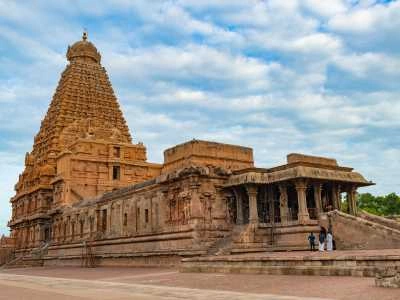
The Brihadeeswarar Temple, or the “Big Temple,” stands as a testament to the architectural brilliance of the Chola Empire. Built in 1010 AD by Raja Raja Chola I, it is one of India’s grandest living temples and a designated UNESCO World Heritage Site. The temple’s 216-foot vimana (tower) soars into the sky and is crowned by a single granite block weighing nearly 80 tons, an engineering marvel even today.
The temple interiors are decorated with ancient frescoes, beautifully carved pillars, and a massive Nandi statue carved out of a single stone. The sanctum houses a huge Shiva Lingam that exudes serenity and power. The way sunlight falls on the stone structures at different times of the day creates a spectacular play of light and shadow, making it a delight for architecture lovers.
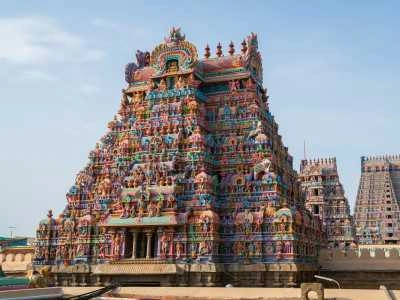
The Sri Ranganathaswamy Temple is one of the largest functioning Hindu temples in the world and a revered center of Vaishnavism. Spread across 156 acres with seven concentric enclosures, the temple complex feels like a sacred city in itself. Dedicated to Lord Ranganatha, a reclining form of Vishnu, the sanctum radiates peace and devotion.
The towering rajagopuram, beautifully carved mandapams, sacred tanks, and traditional prasad counters all add to the temple’s charm. The temple’s rituals are elaborate, deeply rooted in the Sri Vaishnava tradition, and draw pilgrims from across India. During festivals like Vaikunta Ekadashi, Srirangam transforms into a divine spectacle.
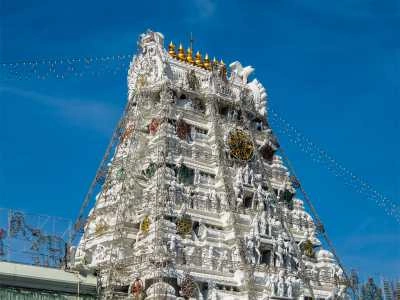
The Tirumala Venkateswara Temple, popularly known as Tirupati Balaji, is one of the richest and most visited temples in the world. Situated atop the Tirumala Hills, the temple is dedicated to Lord Venkateswara, an incarnation of Vishnu who is believed to grant prosperity and fulfill devotees’ prayers.
The spiritual energy of Tirupati is unmistakable, the chants of “Govinda, Govinda,” the long lines of devotees, and the powerful darshan inside the sanctum create a deeply moving experience. The temple is renowned for its strict traditions, massive daily offerings, and grand rituals. Its famous laddoo prasadam is iconic and beloved.
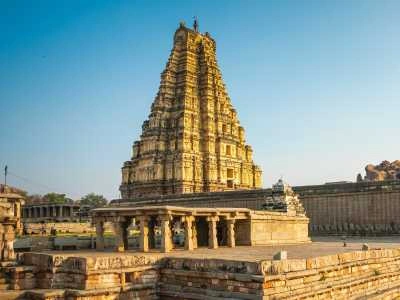
Set within the majestic UNESCO World Heritage ruins of Hampi, the Virupaksha Temple is one of the oldest continuously functioning temples in India, dating back to the 7th century. Dedicated to Lord Shiva (worshipped as Virupaksha), the temple stands as a spiritual anchor amid the dramatic landscape of boulders, ancient markets, and royal pavilions of the Vijayanagara Empire.
Its 50-meter-tall gopuram, intricately carved pillars, and centuries-old murals showcase the empire’s architectural brilliance. The temple is especially known for its annual chariot festival and its unique pinhole camera phenomenon inside the sanctum corridor, where the gopuram’s inverted shadow appears naturally on the walls, a marvel of ancient science and engineering.
Surrounded by ruins that whisper stories of a glorious past, the temple radiates a spiritual calm that blends perfectly with the archaeological richness of Hampi.
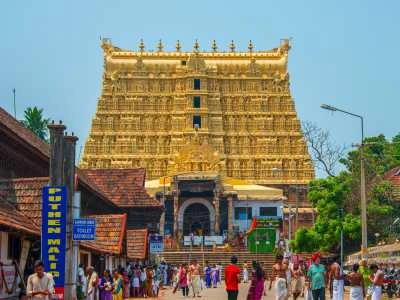
The Sree Padmanabhaswamy Temple is one of the most revered and enigmatic temples in South India. Dedicated to Lord Vishnu, the deity here is depicted in an extraordinary posture, reclining on the cosmic serpent Ananta, symbolizing eternity.
The temple is renowned for its stunning fusion of Dravidian and Kerala-style architecture, massive gilded gopuram, intricate stonework, murals, and a sanctum that radiates ancient mysticism. What makes Padmanabhaswamy globally famous is the discovery of immense treasure vaults, placing it among the wealthiest religious institutions in the world.
Entry is allowed only to devotees who strictly follow the temple’s dress code, preserving the sanctity and old traditions the temple has maintained for centuries.
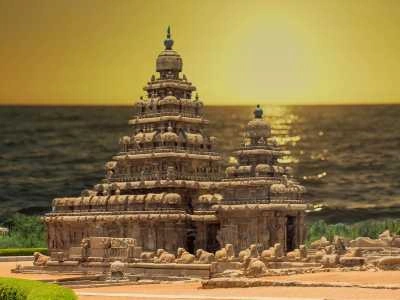
The Shore Temple, dramatically facing the Bay of Bengal, is one of India’s earliest structural granite temples and a crown jewel of Pallava architecture. Built in the 8th century by King Narasimhavarman II, it forms part of the UNESCO-listed monuments of Mahabalipuram.
The twin shrines, dedicated to Shiva and Vishnu, showcase exquisite carvings, graceful pillars, and bas-reliefs that have survived centuries of sea winds and cyclones. The temple’s unique placement right on the coastline creates mesmerizing views during sunrise and moonlit nights.
A highlight of visiting the Shore Temple is witnessing how ancient artisans mastered both engineering and aesthetics while working against the forces of nature.
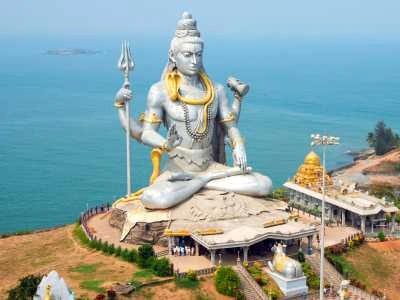
The Murudeshwar Temple, perched dramatically on the Arabian Sea, is both a spiritual center and a breathtaking viewpoint. The temple’s star attraction is its towering 123-foot Shiva statue, one of the tallest Shiva idols in the world, gleaming against the blue sky and visible from miles away.
The temple’s 20-story gopuram (Raja Gopuram) features an elevator that takes visitors up for panoramic views of the coastline, nearby islands, and the surrounding waters. Dedicated to Lord Shiva, Murudeshwar is not only a place of devotion but also an unforgettable blend of spirituality, seascapes, and modern engineering.
In the evenings, the statue and temple complex are beautifully illuminated, creating a surreal atmosphere right by the ocean.

The Annamalaiyar Temple, dedicated to Lord Shiva in his manifestation as Agni (fire), is one of the sacred Pancha Bhoota Sthalas, temples representing the five cosmic elements. Located at the base of the holy Arunachala Hill, the temple embodies deep spirituality, attracting devotees, sages, and seekers for centuries.
The vast temple complex houses intricately carved gopurams, serene mandapams, sacred tanks, and a powerful sanctum that radiates divine energy. The most significant event here is the Karthigai Deepam Festival, during which a massive flame is lit atop Arunachala Hill, symbolizing Shiva as the eternal fire of creation. Watching the entire town light up with thousands of lamps is a soul-stirring experience.
Many devotees also perform the Girivalam, a 14 km circumambulation around the Arunachala hill, especially on full moon nights.
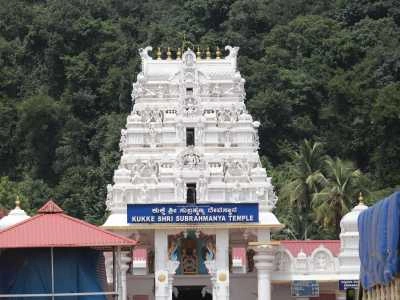
One of South India’s most spiritually atmospheric temples, Kukke Subramanya lies deep in the enchanting Western Ghats, surrounded by misty mountains, dense forests, and the soothing sound of the Kumaradhara River. The temple is dedicated to Lord Subramanya (Kartikeya), who is worshipped here as the protector from Sarpa Dosha, a serpent-related affliction that, according to Hindu belief, can affect family wellbeing, marriage prospects, and health.
What makes this temple unique is its powerful rituals like Sarpa Samskara, Ashlesha Bali, and Naga Prathishta, performed by trained priests who follow ancient Vedic procedures.
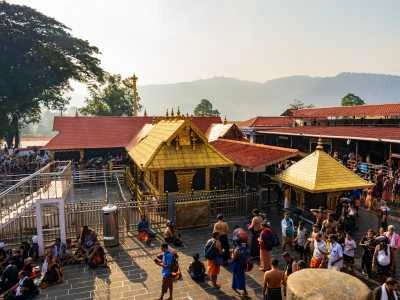
Situated on the rugged Sabari Hills at an altitude of 3,000 ft, Sabarimala is among the largest annual pilgrimage centers in the world, drawing over 50 million devotees every year. The temple is dedicated to Lord Ayyappa, the celibate deity symbolizing discipline, purity, and devotion.
What sets Sabarimala apart is the 41-day vratham (austerity period) undertaken by devotees before the pilgrimage. The trek through the dense Periyar Tiger Reserve adds to the sense of spiritual adventure.
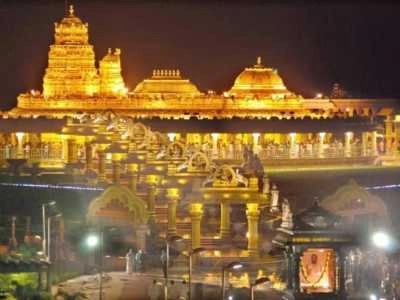
The Sripuram Golden Temple is a breathtaking structure, unlike any other in South India. With over 1.5 tonnes of pure gold sheets covering its walls, pillars, and vimana, it is considered a modern architectural marvel. The temple is dedicated to Goddess Narayani, symbolizing universal peace, prosperity, and divine feminine energy.
The star-shaped pathway leading to the sanctum is designed to reflect the spiritual journey from the outer world toward inner enlightenment.
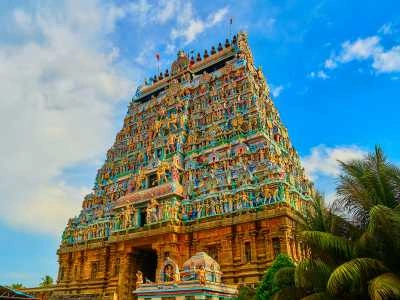
A spiritual and architectural masterpiece, the Chidambaram Nataraja Temple is one of the holiest Shiva temples in the world. Here, Lord Shiva is worshipped in his rare and profound form, Nataraja, the cosmic dancer, symbolizing the universe’s rhythm, creation, and dissolution.
The temple represents a beautiful blend of science, philosophy, and art. Its structure reflects the human body’s anatomy, aligned with yogic energy centers. The Chidambara Rahasyam, an empty space within the sanctum, symbolizes the concept of the formless divine.
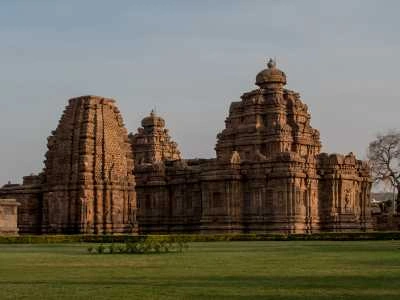
Dubbed the “Cradle of Indian Temple Architecture,” Aihole and Pattadakal are historic gems in Karnataka that trace the early evolution of South Indian temple design. Built by the Chalukya dynasty between the 5th and 8th centuries, these temples showcase an intriguing blend of Dravidian and Nagara architectural styles, intricate stone carvings, and sculptural storytelling depicting epics like the Ramayana and Mahabharata.
Aihole is known for its over 125 temples, including the Durga Temple with its apsidal sanctum, while Pattadakal, a UNESCO World Heritage Site, houses the famous Virupaksha and Mallikarjuna Temples. These sites not only highlight architectural experimentation but also reflect the cultural and religious milieu of early medieval Karnataka.
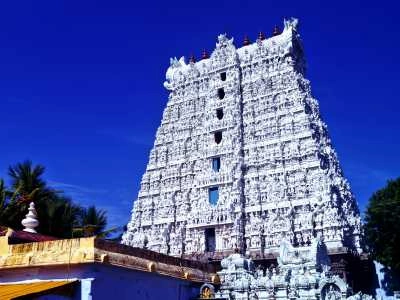
Located near Kanyakumari, Suchindram Temple is a unique spiritual landmark in South India. It is one of the rare temples where the Hindu Trinity; Brahma, Vishnu, and Shiva, is worshipped together, symbolizing cosmic harmony. Built in the 16th century, the temple is renowned for its musical pillars, each producing distinct sounds when tapped, and its intricate stone and bronze sculptures depicting gods, goddesses, and mythological stories.
The temple’s architectural grandeur and devotional vibrancy make it a must-visit, especially for those fascinated by South Indian art and music.
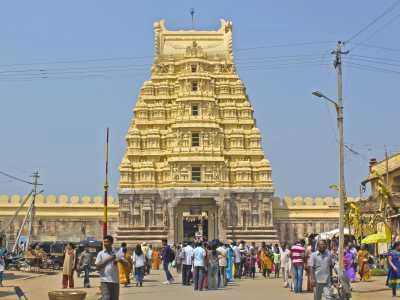
Situated near the famous Ranganathittu Bird Sanctuary, this less-crowded South Indian temple is dedicated to Lord Vishnu, making it a peaceful spiritual retreat. Unlike the larger, more frequented temples, Ranganathittu Temple provides a serene atmosphere surrounded by lush greenery and calm waters. Visitors can enjoy the temple’s tranquil environment while exploring nearby sanctuaries teeming with migratory and native birds, offering a harmonious mix of devotion and nature.
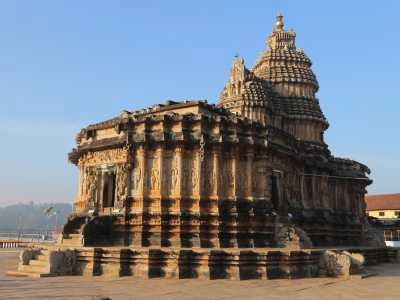
Founded by Adi Shankaracharya in the 8th century, Sringeri Sharada Peetham is a prominent spiritual and educational center in South India. Dedicated to Goddess Saraswati, the deity of knowledge and learning, this temple is not just a place of worship but also a hub of Vedic studies, philosophy, and spiritual discourse. Nestled on the banks of the Tunga River amid lush Western Ghats, Sringeri offers a serene environment for meditation, rituals, and scholarly pursuits.
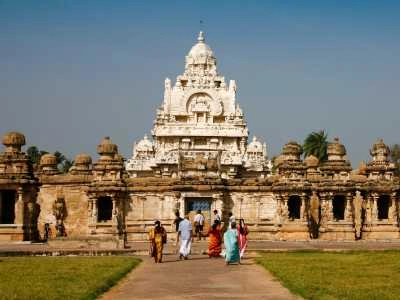
Known as the “City of Thousand Temples,” Kanchipuram is a historic spiritual hub with temples showcasing Dravidian architectural brilliance. Among the most famous shrines are Ekambareswarar Temple (dedicated to Lord Shiva), Kamakshi Amman Temple (dedicated to Goddess Kamakshi), and Varadaraja Perumal Temple (dedicated to Lord Vishnu). Intricately carved gopurams, huge temple tanks, and elaborate sculptures make Kanchipuram a must-visit for architecture enthusiasts and devotees alike.
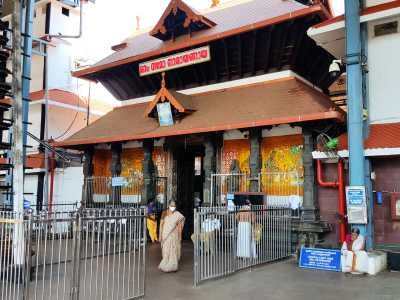
Often referred to as the “Dwarka of the South,” Guruvayur Temple is one of Kerala’s most revered Lord Krishna temples. The temple’s sanctum sanctorum houses a granite idol of Krishna standing with four arms, believed to be self-manifested. Guruvayur attracts millions of devotees, especially during festivals like Guruvayur Ekadashi and Janmashtami, and is an essential pilgrimage for devotees of Vishnu and Krishna.
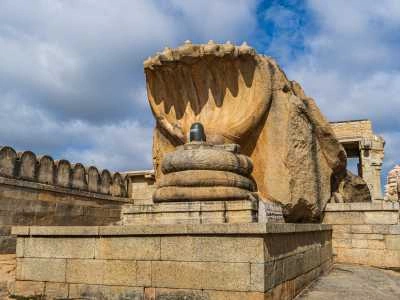
Nestled in the historic village of Lepakshi, this Vijayanagara-era temple is renowned for its hanging pillar, exquisite frescoes, and the giant monolithic Nandi statue. Dedicated to Lord Veerabhadra, a fierce form of Shiva, the temple is an architectural marvel reflecting intricate carvings, colorful murals, and the grandeur of the Vijayanagara Empire. The hanging pillar, a remarkable engineering feat, remains suspended and can be passed through easily without touching the ground.
The south temples of India are not merely places of worship, they are living museums of art, culture, and devotion. The carvings, murals, and mythological stories inscribed in stone reflect the genius of ancient artisans and the deep spiritual foundation of Southern India.
Whether you’re seeking spiritual solace, architectural wonder, or cultural insight, these temples to visit in South India promise a journey through time, faith, and beauty.
Each of these temples of Southern India is a masterpiece, echoing chants that have resonated for centuries and craftsmanship that continues to inspire awe.
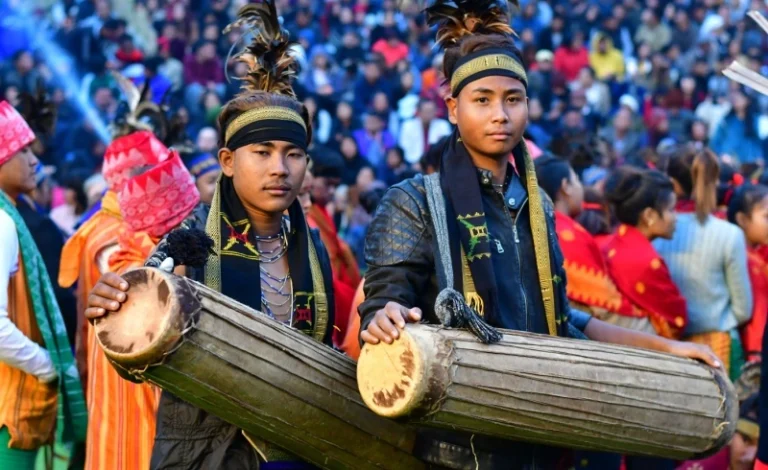
The Seven Sisters of India refer to a group of seven northeastern states known for their breathtaking landscapes, vibrant tribal cultures, biodiversity, and distinct identities....
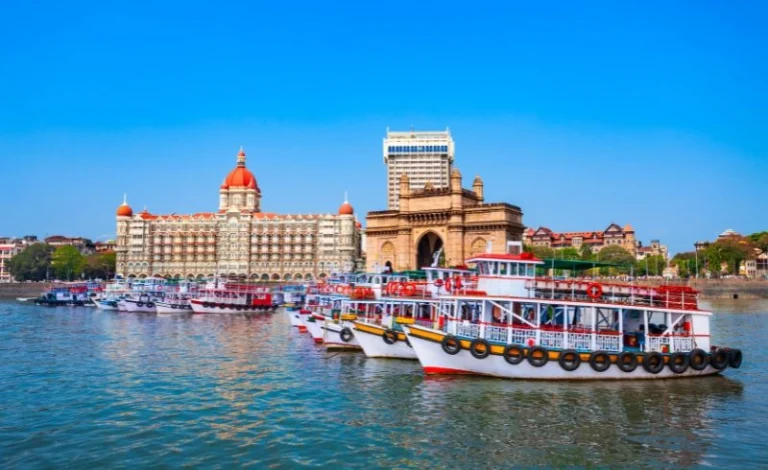
Mumbai, the financial capital of India, is a city of striking contrasts, colonial architecture beside modern skyscrapers, serene sea views alongside buzzing streets, and age-old...
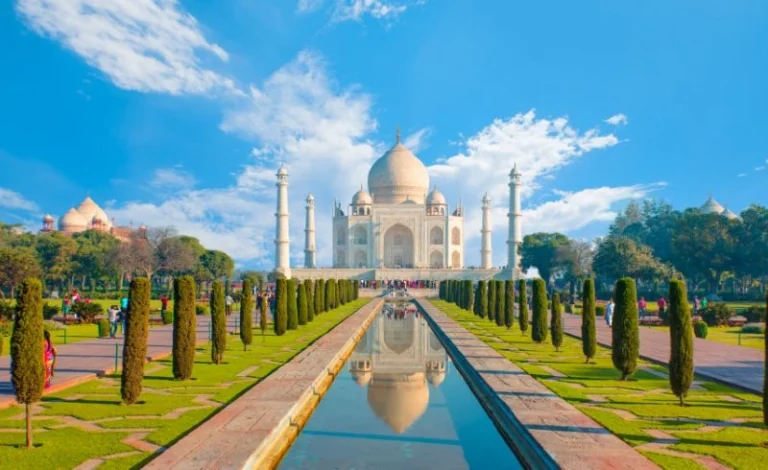
The Taj Mahal stands as one of the most visited and admired monuments in the world, drawing travelers to Agra for its architectural brilliance, historical...
You are one step closer to having the best journey of your lifetime! Talk to us, write to us all that you have envisioned for your India trip, and one of our travel experts will connect with you on priority. To help you explicitly we have WhatsApp and Email addresses!


