


Experiential Travel in India: Beyond Sightseeing for International Tourists (2026)
India’s most extraordinary travel experiences are not in its monuments. They are in a weaver’s workshop in Varanasi where a Banarasi silk sari takes three...


 18884507235

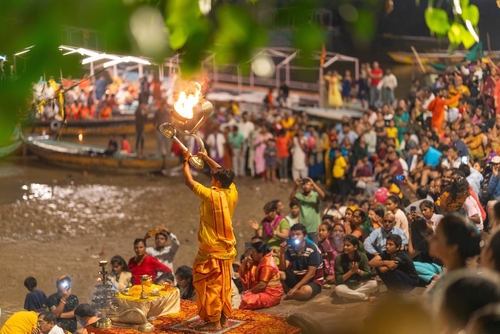
Varanasi is not a destination you simply visit, it’s one you experience, often all at once, in a rush of sensations that can feel overwhelming for first-timers. One of the oldest continuously inhabited cities in the world, Varanasi sits on the banks of the Ganges and holds deep spiritual significance for Hindus, who believe dying here grants moksha, or liberation from the cycle of rebirth. For travelers, this means Varanasi offers something genuinely rare: a city where daily life, death, devotion, and commerce all unfold in the open, side by side. Here’s what to expect and how to prepare for your first visit.
Unlike most tourist destinations, Varanasi isn’t built around convenience. Its narrow lanes, chaotic traffic, and constant flow of pilgrims, cows, and vendors can be disorienting at first. But this rawness is exactly what draws travelers back — there’s no other city in India (or arguably the world) where you can watch cremation rituals, morning yoga, boat rides, and bustling markets all happening within a few hundred meters of each other along the same riverbank.
Be mentally prepared for sensory overload: incense smoke mixing with the scent of the river, temple bells overlapping with vendor calls, and crowds that can feel intense, especially near the ghats during morning and evening aarti.
Varanasi is well connected by air, with Lal Bahadur Shastri International Airport receiving regular flights from Delhi, Mumbai, and other major Indian cities. It’s also a major railway junction, making it easy to reach by train from Delhi (around 12-14 hours), Kolkata, and other northern cities. For those combining Varanasi with a broader Uttar Pradesh itinerary, it pairs naturally with a visit to Ayodhya or Prayagraj.
Near the Ghats (Old City): Staying close to Dashashwamedh Ghat or Assi Ghat puts you in walking distance of the main attractions and the evening aarti. Rooms here tend to be smaller and more basic, often in converted havelis, but the location is unbeatable for soaking in the atmosphere.
Cantonment Area: For more modern comforts, hotels in the Cantonment area offer wider roads, easier vehicle access, and a quieter environment, at the cost of a short commute to the ghats.
Assi Ghat: A slightly calmer, more traveler-friendly stretch popular with backpackers and long-stay visitors, with a growing number of cafes and guesthouses.
The evening Ganga Aarti is Varanasi’s signature experience — a synchronized ritual performed by priests with large fire lamps, accompanied by chanting and music, watched by hundreds from the ghat steps and boats floating on the river. Arrive early (around 6 PM) to secure a good spot, or better yet, watch it from a boat on the river for a more atmospheric view.
A boat ride at dawn is arguably the best way to understand Varanasi. As the sun rises, you’ll pass bathers performing their morning rituals, sadhus meditating on the steps, and the smoke of cremation fires at Manikarnika Ghat — a stark, unfiltered glimpse into the cycle of life the city is built around.
One of the twelve Jyotirlingas dedicated to Lord Shiva, Kashi Vishwanath is Varanasi’s most important temple. Security is tight, and phones and bags are typically not allowed inside, so plan accordingly. The recently developed Kashi Vishwanath Corridor connects the temple directly to the Ganges, making the pilgrimage route far more accessible than in years past.
These are Varanasi’s cremation ghats, where funeral pyres burn continuously, day and night. Visiting requires sensitivity — this is a working religious site, not a tourist attraction, and photography is generally discouraged or outright prohibited. Approach respectfully, and consider hiring a local guide who can explain the rituals without intruding on grieving families.
Just a short drive from the city center, Sarnath is where Buddha delivered his first sermon after attaining enlightenment. The Dhamek Stupa, ancient monastery ruins, and a well-curated archaeological museum make it a peaceful, historically rich half-day trip that contrasts nicely with the intensity of the ghats.
One of India’s largest residential universities, BHU has a sprawling, green campus that feels worlds apart from the crowded old city. The Vishwanath Temple within the campus and the Bharat Kala Bhavan museum are both worth a visit.
Varanasi’s food scene is as intense as its spirituality. Don’t miss:
October to March offers the most comfortable weather, with cool mornings ideal for sunrise boat rides. Visiting during Dev Deepavali (mid-to-late November) is particularly spectacular, when the ghats are lit with thousands of oil lamps — though expect significantly larger crowds and higher hotel rates during this period.
Varanasi rewards travelers who arrive with patience and an open mind. It can be chaotic, intense, and at times uncomfortable, but few places in the world offer such an unfiltered look at faith, ritual, and the passage of life and death. For first-time visitors, the key is to slow down, let go of a rigid itinerary, and simply let the city’s rhythm take over — because that, more than any single monument or temple, is what makes Varanasi unforgettable.
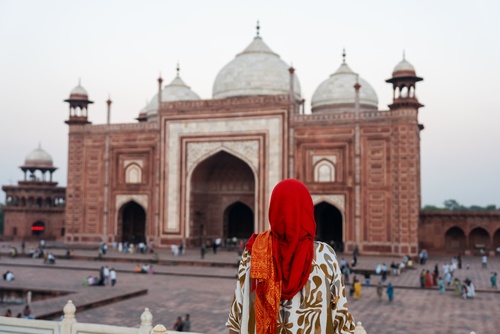
India’s most extraordinary travel experiences are not in its monuments. They are in a weaver’s workshop in Varanasi where a Banarasi silk sari takes three...
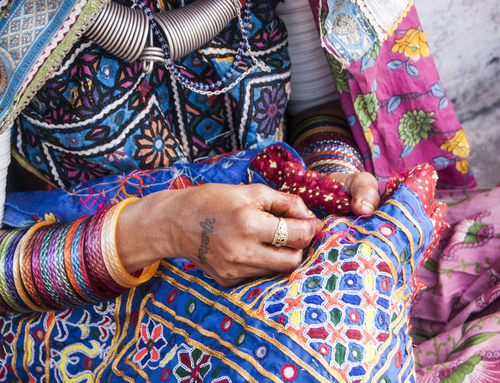
India has more distinct textile and craft traditions than any other country on earth. This is not an approximation. The combination of 28 states, dozens...
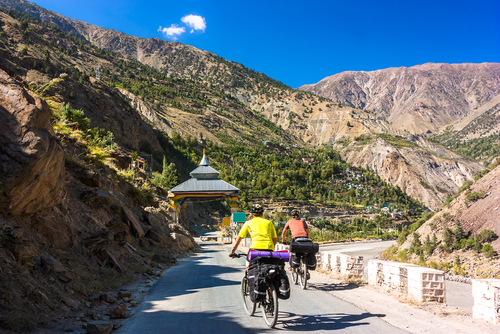
India bookings among adventure travellers surged 214% in the past year. Cycling is at the heart of that surge. International cyclists are discovering that India...
You are one step closer to having the best journey of your lifetime! Talk to us, write to us all that you have envisioned for your India trip, and one of our travel experts will connect with you on priority. To help you explicitly we have WhatsApp and Email addresses!


