


Holi 2027 in India: Where to Celebrate, Key Dates and How to Stay Safe
Holi 2027 in India falls on Monday, 22 March 2027. Holika Dahan, the bonfire night, comes the evening before on Sunday, 21 March. Travellers who...


 18884507235

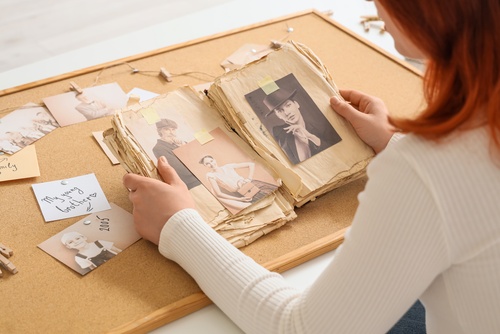
Roots tourism in India is one of the fastest-growing forms of travel for NRIs and the wider Indian diaspora. Travellers visit the village, town or region where their family began. They look for a house, a temple, a record or a relative.
Demand is rising fast. Bókun reported in May 2026 that search demand for “ancestry travel” had risen 1,618% in twelve months. Searches for “DNA travel” rose 754%. Tripadvisor also reported heritage tours up 40% year on year.
This guide explains how to prepare, which records help, what an OCI card offers and how to plan the journey.
Roots tourism means travelling to a place where your family originates. It may be a village, a town or a whole region. Some travellers want a house. Others want a temple, a grave or a school.
India’s version has a special depth. Families usually know a native place, a community and a family deity. Many also know a few surnames and spellings. These details form the starting points for research.
Several groups travel for roots. Each has a different starting point.
Visiting friends and relatives remains the largest diaspora segment. However, genealogy and roots travel is a smaller niche that is growing in Europe and North America, according to a CBI market study.
Begin with your family. Interview the oldest relatives first. Then record what they say.
Collect these details before you travel:
Spellings often change between scripts. For example, one surname can appear in three forms. Therefore, write every variant you find.
Also check how borders and states have changed. Some Punjab villages now lie in Pakistan. Some districts moved between states after 1956. As a result, your family’s “district” may have a different name today.
Several record sources can confirm a family story. Each suits a different type of search.
Indian missions point descendants of indentured labourers to national archives. For example, the National Archives of Trinidad & Tobago holds immigration passes used to build family trees for OCI applications. South Africa’s Department of Archives holds records for families who arrived by ship.
Many Indian states keep land and revenue records at village level. District offices and state archives may hold older registers. Language matters here, so a local researcher or translator helps.
Priests at some pilgrimage towns have kept family registers for generations. Haridwar is the best-known example. Many families report finding entries there. However, results vary, so treat this as a lead rather than a guarantee.
DNA tests can identify cousins and regions. They do not name villages. Therefore, combine them with oral history and documents.
Many diaspora travellers hold an Overseas Citizen of India (OCI) card. The scheme began on 2 December 2005. The government merged the PIO scheme into OCI with effect from 9 January 2015.
According to Indian missions:
The OCI fee structure was revised from 1 April 2026. Check the official portal for current charges. Also ask your nearest mission if your trip involves formal research.
India runs several diaspora programmes. They can support a roots journey.
Know India Programme (KIP): the Ministry of External Affairs runs this three-week programme for youth of Indian origin. Applicants need an OCI or PIO card number, and NRIs are not eligible. The 88th edition ran 8–27 March 2026.
Pravasi Bharatiya Express: this is a government tourist-train initiative for the diaspora. Check current schedules before planning around it.
Programmes like these suit young travellers. Meanwhile, families seeking comfort and privacy usually prefer a private itinerary.
Every region offers a different kind of homecoming. These are starting ideas.
Punjab combines Sikh history, martial traditions and agricultural heritage. Amritsar is the natural base. Visit the Golden Temple, Jallianwala Bagh and the Partition Museum. Then travel to the family village.
Many Gujarati families have long overseas links. Combine the ancestral town with Ahmedabad’s heritage and Kutch’s craft villages. Dholavira adds a 4,500-year-old backdrop.
Kerala has Hindu, Christian and Muslim communities with ancient roots. Fort Kochi suits families with Syrian Christian or Jewish connections. Then continue to the home village.
Tamil families often connect to temple towns. Visit the family temple, then add the Chola temples and Chettinad mansions.
Goan families can pair the ancestral village with Panjim and Old Goa. Bengali families can pair their village with Kolkata’s heritage neighbourhoods.
Roots trips need more planning than ordinary holidays. Emotion and logistics both matter.
October to March is the most comfortable period across most of India. Village life is also active in winter, with festivals and weddings.
A guide who speaks the local language is invaluable. They can ask questions, translate dialects and interpret records. As a result, you spend less time lost and more time connecting.
Write ahead if you know any relatives. Ask a family member to introduce you to the village head. Doors open faster with a trusted introduction.
Roots days are intense. Therefore, plan only one major visit per day. Add comfortable hotel nights between village stays.
Be careful when discussing property. If inheritance or land questions appear, consult a lawyer. Do not sign anything on the spot.
GeTS Holidays can add researchers, translators, private drivers and heritage hotel stays to any of these.
What is roots tourism in India?
Roots tourism means travelling to the village, town or region where your family originates. Travellers look for houses, temples, records and relatives. It is growing fast among NRIs and the wider diaspora. Searches for ancestry travel rose 1,618% in twelve months, according to Bókun.
Do I need a visa if I have an OCI card?
No. An OCI card gives a lifelong, multiple-entry, multipurpose visa. Holders are also exempt from FRRO registration. You must carry both your OCI card and a valid foreign passport. Check the official portal for current rules and fees.
Can I find my ancestral village?
Often, yes, but it takes preparation. Start with relatives, documents and spelling variants. Then use archives, local researchers and community records. Borders and district names have changed, so expert local help speeds up the search.
Is the Know India Programme open to NRIs?
No. The Know India Programme is for youth of Indian origin who hold OCI or PIO status. NRIs are not eligible. The 88th edition ran 8–27 March 2026. Check the Ministry of External Affairs website for future editions.
How long should a roots trip last?
Plan 8–10 nights for one region. That allows two or three village days, a city stay and rest. Longer trips suit families with several branches in different places. Add buffer days for travel and emotion.

Holi 2027 in India falls on Monday, 22 March 2027. Holika Dahan, the bonfire night, comes the evening before on Sunday, 21 March. Travellers who...
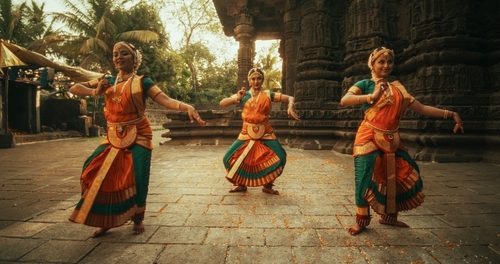
The Jaipur Literature Festival draws international visitors every January. In 2027, the festival celebrates its 20th edition from 14 to 18 January. It anchors India’s...
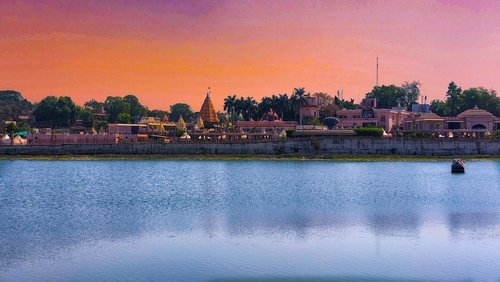
Where to go in India on a second trip is the question every returning traveller asks. Your first trip probably covered Delhi, Agra and Jaipur....
You are one step closer to having the best journey of your lifetime! Talk to us, write to us all that you have envisioned for your India trip, and one of our travel experts will connect with you on priority. To help you explicitly we have WhatsApp and Email addresses!


