


India with Bhutan, Nepal or Sri Lanka: How to Combine Countries on One Luxury Trip (2026)
An India, Bhutan, Nepal and Sri Lanka combined itinerary is one of the best ways to see South Asia. The four countries sit close together....


 18884507235

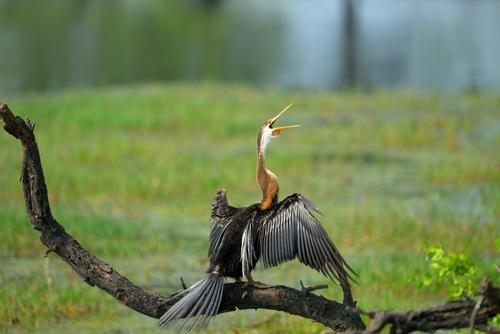
Birdwatching holidays in India are at their best right now. Migratory birds start arriving in September and stay until March. November to February is the peak window.
India lies on major migratory flyways. Birds arrive from Central Asia, Siberia and Europe. They fill wetlands, lakes and forests across the country.
This guide covers the best birding destinations, the best seasons and sample itineraries for international birders. Facts were checked against recent sources in November 2026.
India offers a variety that few countries match. Wetlands, mangroves, mountains and rainforests all sit within one visa.
Several points stand out:
Additionally, winter is dry across most of India. Therefore, mornings are clear and comfortable.
| Region | Best months | Highlight |
| Bharatpur (Rajasthan) | October–March | Waterbirds and raptors |
| Sambhar Lake (Rajasthan) | December–February | Flamingos |
| Sultanpur (Haryana) | October–February | 250+ species near Delhi |
| Chilika (Odisha) | November–February | Over a million waterbirds |
| Thattekad (Kerala) | November–February | Western Ghats rarities |
| Eaglenest (Arunachal) | November–February | Himalayan specialities |
| Kaziranga (Assam) | November–April | Wetland and grassland birds |
Keoladeo is India’s best-known bird sanctuary. It is a UNESCO World Heritage Site. More than 370 species have been recorded there.
The park is a compact wetland. Seasonal flooding creates marshes that attract painted storks, pelicans and many ducks. Winter visitors arrive from Central Asia and Europe.
Birders hire a guide and travel by cycle-rickshaw or on foot. The best time is October to March. Mornings are best for activity and light.
One honest note: the Siberian crane once wintered here in numbers. Sightings are now extremely rare. It has become a symbol of declining migration.
Sambhar is India’s largest salt lake. It lies about 80 km southwest of Jaipur. Tens of thousands of flamingos arrive in winter. December to February is best.
Sultanpur lies about 45 km from Delhi. More than 250 species appear between October and February. Flamingos, rosy pelicans and cranes are regular sights.
It is the easiest birding stop for travellers arriving in Delhi. Therefore, it works as a first-morning outing.
Chilika is Asia’s largest brackish-water lagoon. It is a Ramsar site on the Central Asian Flyway.
The official census of January 2026 recorded more than 11 lakh (1.1 million) birds. They belonged to 196 species. Flamingos, herons and ducks fill the shallows.
Nalabana Bird Sanctuary is a key area. Boat trips are the best way to see the birds. November to February is the best season.
Chilika pairs well with Konark and Puri. Therefore, it fits into an Odisha temple trip.
Thattekad Bird Sanctuary is known for rare Western Ghats species. It is a favourite among serious birders. November to February is best.
Periyar adds endemic birds of the Western Ghats. It also offers elephants and boat safaris. As a result, it suits mixed wildlife trips.
Kerala works well with Kochi. A short drive links the two.
Eaglenest Wildlife Sanctuary is a BirdLife International Important Bird Area. Blyth’s tragopan, a vulnerable species, lives there. It is one of India’s most rewarding Himalayan birding sites.
The best time is from November to February. Entry fees in 2026 for foreign nationals are ₹1,200 on weekdays and ₹1,500 on weekends. Many areas are inaccessible during the monsoon.
Foreign nationals also need a Protected Area Permit for Arunachal Pradesh. Arrange it through your operator well before travel.
Kaziranga offers birds alongside rhinoceroses and elephants. The best time is from November to April. Morning and afternoon jeep safaris suit birders.
Corbett hosts more than 600 species. It combines forest birds with tigers and elephants. Winter is excellent because all zones are open.
The Sundarbans adds mangrove birds such as kingfishers and sea eagles. Boat safaris are the main way to explore. October to March is best.
| If you want… | Choose… |
| Waterbirds and an easy first stop | Sultanpur and Bharatpur |
| Flamingos and a salt-lake landscape | Sambhar Lake |
| Huge lagoon flocks | Chilika |
| Rainforest rarities | Thattekad |
| Himalayan specialities | Eaglenest |
| Birds plus big mammals | Corbett or Kaziranga |
Good birding protects the birds. Follow these rules:
Also follow each sanctuary’s regulations. Rules differ by park.
Download offline maps and guides. Some sanctuaries have weak signals.
Delhi (1 night), Sultanpur (morning stop), Bharatpur (2 nights), Jaipur and Sambhar (2 nights) and Ranthambore (3 nights). This route mixes birds, palaces and tigers.
Bhubaneswar (2 nights), Chilika (2 nights), Puri and Konark (3 nights). Add the Konark Festival if you travel in early December.
Kochi (2 nights), Thattekad (2 nights), Periyar (2 nights) and Alleppey (2 nights). This route links rainforest birding with backwaters.
For an adventurous option, add Kaziranga and Eaglenest in Assam and Arunachal. Allow extra time for permits.
GeTS Holidays can add naturalist guides, private vehicles and heritage lodges to any of these.
When is the best time for birdwatching in India?
November to February is the peak. Migratory birds arrive from September and leave around March. Wetlands such as Bharatpur and Chilika are at their best in winter. Mornings are clear, and most sanctuaries are fully open.
Where is the best birdwatching in India?
Keoladeo National Park in Bharatpur is the best known, with more than 370 species recorded. Chilika Lake offers huge flocks, with over 1.1 million birds counted in January 2026. Thattekad and Eaglenest suit serious birders seeking rarities.
Do I need a guide for birdwatching in India?
Yes, a specialist guide is strongly recommended. Guides know the sites, the seasons and the species. They also help with permits and sanctuary rules. A good guide transforms the experience and raises your sighting count.
Can I combine birdwatching with other travel in India?
Yes. Bharatpur fits a Rajasthan itinerary with Jaipur and Ranthambore. Chilika fits an Odisha temple trip. Thattekad and Periyar fit Kerala. Corbett and Kaziranga combine birds with tigers and rhinoceroses.
Do I need a permit for Eaglenest?
Foreign nationals need a Protected Area Permit for Arunachal Pradesh. Eaglenest entry fees in 2026 are ₹1,200 on weekdays and ₹1,500 on weekends for foreigners. Arrange the permit through your operator before you travel.
India’s winter wetlands and forests reward patient birders. At GeTS Holidays, we build birdwatching itineraries across India with specialist guides, private vehicles and comfortable lodges near the best sanctuaries. Begin at [www.getsholidays.com].
Last updated November 2026. Seasons, fees and permit rules change. Confirm before booking.
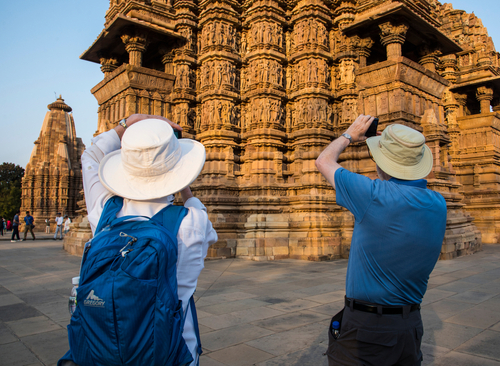
An India, Bhutan, Nepal and Sri Lanka combined itinerary is one of the best ways to see South Asia. The four countries sit close together....

Roots tourism in India is one of the fastest-growing forms of travel for NRIs and the wider Indian diaspora. Travellers visit the village, town or...

Holi 2027 in India falls on Monday, 22 March 2027. Holika Dahan, the bonfire night, comes the evening before on Sunday, 21 March. Travellers who...
You are one step closer to having the best journey of your lifetime! Talk to us, write to us all that you have envisioned for your India trip, and one of our travel experts will connect with you on priority. To help you explicitly we have WhatsApp and Email addresses!


