


Experiential Travel in India: Beyond Sightseeing for International Tourists (2026)
India’s most extraordinary travel experiences are not in its monuments. They are in a weaver’s workshop in Varanasi where a Banarasi silk sari takes three...


 18884507235

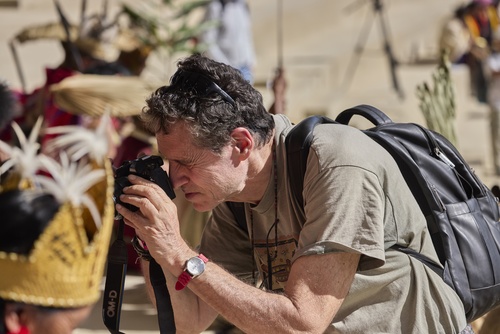
India has the largest tribal population of any country in the world. Over 700 distinct tribal communities, approximately 104 million people, live across India’s forests, mountains, and coastal regions, maintaining cultural traditions, art forms, and ways of life that have evolved over thousands of years largely independent of mainstream Indian civilization.
For international travellers seeking genuine cultural immersion beyond temples, palaces, and tourist circuits, India’s tribal regions offer some of the most extraordinary and least visited experiences available anywhere in Asia.
This guide covers the most rewarding tribal tourism destinations in India for international visitors in 2026.
Tribal tourism, also called indigenous cultural tourism, involves visiting communities that have maintained distinct cultural identities, traditions, and ways of life outside the mainstream. Done responsibly, it benefits host communities directly, preserves cultural traditions that commercial pressure would otherwise erode, and provides international travellers with experiences of genuine depth and rarity.
Done irresponsibly, it reduces living communities to performance pieces for camera-wielding tourists. The difference is entirely in the approach, and in the operator.
Responsible tribal tourism in India involves:
This guide covers only destinations and experiences that meet these standards.
Odisha is widely considered the most rewarding tribal tourism destination in India for international visitors. The state’s southern districts, Koraput, Rayagada, Malkangiri, are home to over 60 tribal communities, each with distinct traditions, crafts, and cultural practices.
The Kondh are the largest tribal community in Odisha. They are known for their distinctive body art, their turmeric cultivation (the finest turmeric in India is grown in Kondh territory), and their elaborate festivals. The Kondh Dhemsa dance, performed at harvest festivals with elaborate headdresses and costumes, is one of the finest tribal performance traditions in India.
The Dongria Kondh of the Niyamgiri Hills, famous internationally for their successful resistance to a bauxite mining project that would have destroyed their sacred mountain, are among the most culturally distinctive and most celebrated indigenous communities in India. Visits to Dongria Kondh villages require advance arrangement through responsible operators and the community’s own consent process.
The most accessible and most vivid tribal cultural experience in Odisha is the weekly market (haat). Different tribes converge on specific markets on specific days, exchanging produce, crafts, and goods in a tradition unchanged for generations. These markets are genuine economic events, not tourist performances.
The markets at Onukadelli (Bonda tribe), Chatikona (Dhurwa and Gadaba tribes), and Kunduli (multiple tribes) are among the finest for international visitors.
Getting there: Fly to Bhubaneswar, then drive approximately 7–8 hours to the tribal districts. A specialist operator with community relationships is essential.
Odisha’s tribal communities produce crafts of extraordinary quality and distinction:
Nagaland is home to 16 major Naga tribes, each with its own distinct warrior tradition, language, craft heritage, and cultural identity. It is one of the most culturally rich and most dramatically distinctive tribal regions in Asia.
The Hornbill Festival, held annually in the first week of December at Kisama Heritage Village near Kohima, is India’s most extraordinary tribal cultural festival. Ten days of performances, competitions, and craft demonstrations bring all 16 Naga tribes together.
The warriors’ headdresses of hornbill feathers, the ceremonial weapons, the traditional dances performed to drumbeats that carry for miles, and the morungs (traditional communal houses) reconstructed at the festival site, the visual intensity is sustained across ten full days.
Several Naga villages now offer carefully managed homestay experiences for international visitors, staying with tribal families, participating in daily activities, eating traditional food, and learning about cultural practices that predate any contact with the outside world.
Getting there: Fly to Dimapur from Delhi or Kolkata. An Inner Line Permit is required for foreign nationals, arranged through a registered operator.
Rajasthan’s tribal communities, particularly the Bhil and Garasia communities of the Aravalli hills, maintain cultural traditions of extraordinary richness that exist largely outside the palace and fort tourist circuit.
The Gavari festival, celebrated by the Bhil tribe for 40 days after the Raksha Bandhan festival, is one of the most sustained and most visually extraordinary tribal performance traditions in India. Elaborate masked performances depicting mythological narratives are enacted daily across villages in the Udaipur and Pali districts.
The Bhil community of Rajasthan and Gujarat produces one of India’s most distinctive folk art traditions, intricate paintings using white pigment on dark backgrounds, depicting daily life, ceremonies, and mythology in a style that has attracted significant international art world attention without losing its community roots.
The Gond people of Madhya Pradesh have produced one of India’s most internationally celebrated tribal art traditions. Gond art, characterised by intricate patterns of dots and lines building into images of animals, trees, and mythological beings, has been collected by major international galleries and has produced internationally recognised artists including the late Jangarh Singh Shyam.
Visits to Gond communities in the Mandla and Dindori districts of Madhya Pradesh, arranged through responsible operators with community relationships, provide access to living artistic traditions of considerable power.
Use a specialist operator. Tribal tourism requires operators with genuine community relationships, established consent protocols, and direct benefit-sharing arrangements with host communities. Standard tour operators without specific tribal tourism experience are not appropriate for this segment.
Allow sufficient time. Tribal tourism cannot be rushed. Communities operate on their own rhythms. Markets happen on specific days. Festivals follow lunar calendars. Build flexibility into your itinerary.
Learn basic cultural protocols before visiting. Each community has its own rules around photography, entering homes, interactions between genders, and restricted areas. A good operator briefs visitors thoroughly before any community interaction.
Buy crafts directly from artisans. The economic benefit of craft purchases goes directly to the artisan when bought at source. Avoid purchasing tribal crafts from urban shops where the community receives no direct benefit.
Is tribal tourism in India ethical?
It can be, when done through responsible operators with genuine community relationships and direct benefit-sharing. The key questions to ask your operator: Does the community consent to visits? Do local community members serve as guides? Does a percentage of tour fees go directly to the community? How are photography guidelines communicated and enforced?
Which Indian state is best for tribal tourism?
Odisha offers the most developed and most responsibly managed tribal tourism infrastructure for international visitors. Nagaland’s Hornbill Festival is the most spectacular single event. Madhya Pradesh offers the finest access to living craft traditions.
Do I need special permits for tribal areas in India?
Some tribal areas, particularly in Nagaland, Arunachal Pradesh, and the Andaman Islands, require special permits for foreign nationals. Your operator will arrange these. Most of Odisha’s tribal districts do not require special permits beyond the standard Indian tourist visa.
When is the best time for tribal tourism in India?
October to March for most destinations. The Hornbill Festival is in December. Odisha’s tribal markets operate year-round but are most active between October and February when the harvest season brings greater community activity.
Tribal tourism in India requires specialist knowledge, genuine community relationships, and a responsible approach that most standard operators cannot provide. At GeTS Holidays, we work with community-based tribal tourism initiatives across Odisha, Nagaland, and Rajasthan to provide international travellers with access to India’s extraordinary indigenous cultures in a way that benefits host communities directly. Begin at [www.getsholidays.com].
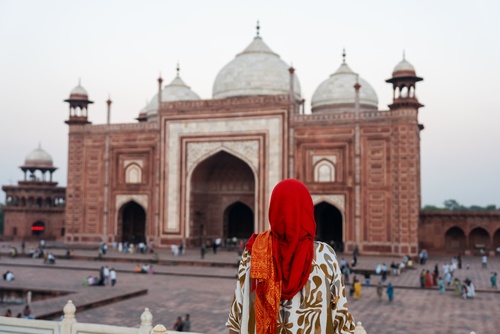
India’s most extraordinary travel experiences are not in its monuments. They are in a weaver’s workshop in Varanasi where a Banarasi silk sari takes three...
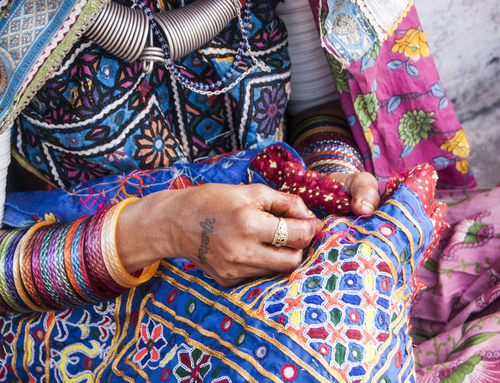
India has more distinct textile and craft traditions than any other country on earth. This is not an approximation. The combination of 28 states, dozens...
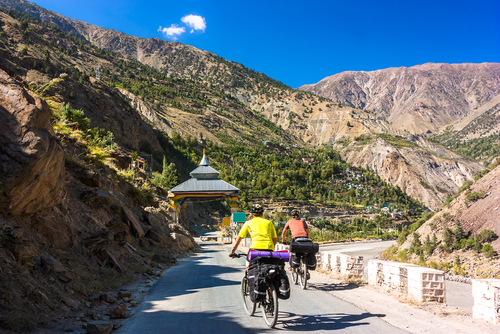
India bookings among adventure travellers surged 214% in the past year. Cycling is at the heart of that surge. International cyclists are discovering that India...
You are one step closer to having the best journey of your lifetime! Talk to us, write to us all that you have envisioned for your India trip, and one of our travel experts will connect with you on priority. To help you explicitly we have WhatsApp and Email addresses!


