


Experiential Travel in India: Beyond Sightseeing for International Tourists (2026)
India’s most extraordinary travel experiences are not in its monuments. They are in a weaver’s workshop in Varanasi where a Banarasi silk sari takes three...


 18884507235

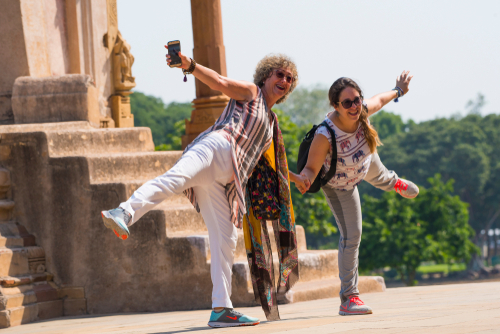
India can feel like a daunting destination for family travel at first glance, the intensity, the crowds, the unfamiliar food and sanitation concerns. But with the right planning, India also offers exceptionally rich, rewarding experiences for families willing to embrace a bit of chaos alongside genuine wonder. From wildlife safaris to beach relaxation to hands-on cultural experiences, this guide covers everything international families need to know for a smooth, memorable 2026 trip.
India offers a rare kind of educational and sensory richness for children and adults alike. Few destinations combine ancient history, wildlife, diverse cuisine, and vibrant culture as intensely as India does, often within a single day’s itinerary. For families willing to embrace some unpredictability, the rewards, in terms of shared memories and genuine cultural exposure, are considerable.
Not all of India suits every family equally, and choosing the right region based on your children’s ages and your own travel comfort level makes a significant difference.
For families with younger children (under 8): Goa offers an easier introduction, combining beach relaxation, manageable distances between attractions, and a wide range of family friendly resorts with pools and organized activities. Kerala’s backwaters, particularly a houseboat stay, also offer a gentle, low stress experience with beautiful scenery and minimal need for long car journeys.
For families with older children (8 to 14): Rajasthan’s forts and palaces offer genuine adventure and storytelling appeal, particularly Jaipur’s Amber Fort with its elephant rides and City Palace’s royal history. Wildlife safaris in Ranthambore or Bandhavgarh also captivate this age group, combining the thrill of a potential tiger sighting with broader lessons about conservation.
For teenagers and more adventurous families: Consider combining the Golden Triangle with a few days in Rishikesh for gentle river rafting, or a Himalayan hill station like Manali or Shimla for cooler weather and light trekking opportunities.
Goa remains one of the easiest entry points into India for families, offering a good balance of beach relaxation, manageable infrastructure, and family oriented resorts. North Goa’s beaches like Candolim and Calangute offer more developed facilities, while South Goa’s calmer beaches, such as Palolem, suit families wanting a quieter atmosphere.
Kerala’s backwaters, houseboat cruises, and Ayurvedic wellness culture offer a gentler, greener introduction to India, with less of the intense crowding found in North Indian cities. A houseboat overnight stay is often a highlight for children, offering close encounters with rural village life along the canals.
Jaipur, Udaipur, and Jodhpur combine genuinely engaging history with visually stunning architecture that captures children’s imaginations easily, particularly forts with dramatic stories of battles and royal intrigue. Elephant and camel rides, though worth researching for ethical treatment standards, remain popular family activities across the region.
Ranthambore, Bandhavgarh, and Jim Corbett all offer excellent opportunities to introduce children to wildlife conservation through guided safaris. Most reserves have age restrictions or recommendations for very young children, so check specific park policies before booking.
While more intense in terms of crowds and traffic, Delhi and Agra offer unmatched historical significance, particularly the Taj Mahal, which remains a genuinely awe inspiring experience for children and adults alike. Consider hiring a private guide who can make the history engaging and age appropriate for younger travelers.
Consult a travel health professional well before your trip, since recommended vaccinations can include hepatitis A, typhoid, and others depending on your specific itinerary and your children’s existing vaccination status. Malaria risk varies by region, so discuss antimalarial precautions specific to your planned destinations with your doctor.
Stick to bottled or filtered water, avoid ice in drinks unless you’re confident of its source, and introduce street food gradually, starting with well cooked, freshly prepared items from busy stalls with high turnover. Many family travelers find it helpful to pack a basic supply of rehydration salts and common over the counter medications for stomach upset, just in case.
India’s sun can be intense, particularly in Rajasthan and coastal regions. Pack strong sunscreen, hats, and lightweight, breathable clothing, and plan outdoor sightseeing for early morning or late afternoon where possible, especially during the hotter months between March and June.
Comprehensive travel insurance covering medical evacuation is strongly recommended for any family trip to India, given the size of the country and variable quality of medical facilities outside major cities.
Domestic flights are often the most practical way to cover long distances with children, minimizing exhausting road journeys. For shorter distances, hiring a private car and driver offers more flexibility and comfort than public transport, particularly useful for families needing to accommodate nap schedules or frequent bathroom stops.
Many mid-range and luxury hotels across India offer family rooms, connecting rooms, or suites, along with amenities like swimming pools and kids’ activity programs, particularly in resort destinations like Goa and Kerala. Booking accommodations with reliable air conditioning and Western style bathrooms tends to ease the adjustment for families new to Indian travel.
Resist the urge to over schedule. India’s sensory intensity, heat, and occasional logistical unpredictability mean that family itineraries benefit from built in downtime, whether that’s a pool afternoon in Goa or a quiet morning at your hotel rather than another monument visit.
Most Indian cities and tourist areas offer familiar international food options alongside local cuisine, making it easier to ease children into new flavors gradually. Simple dishes like plain rice, dal, and mild curries are usually well tolerated even by more selective eaters, and most restaurants are happy to adjust spice levels on request. Fresh fruit, particularly seasonal options like mangoes and bananas, also offers a safe, familiar snack option widely available throughout the country.
India offers rich opportunities for hands-on cultural learning that go beyond typical sightseeing:
Days 1 to 3: Delhi and Agra, covering Humayun’s Tomb, a relaxed exploration of Old Delhi, and an early morning visit to the Taj Mahal to avoid the worst of the heat and crowds
Days 4 to 6: Jaipur, exploring Amber Fort, City Palace, and enjoying a hands-on block printing workshop
Days 7 to 10: Goa, unwinding at a family friendly beach resort with pool access, gentle water activities, and downtime after a busier first week
This kind of pacing balances cultural immersion with the rest and relaxation most families need to sustain a longer international trip.
Traveling in India with family requires more planning than a typical beach holiday, but the payoff, in terms of rich cultural exposure, genuine wonder, and lasting memories, is considerable. By choosing family appropriate regions, pacing your itinerary sensibly, and preparing for the practical realities of health, food, and transport, international families can have a genuinely transformative experience in India in 2026, one that offers far more depth than most conventional family destinations ever could.
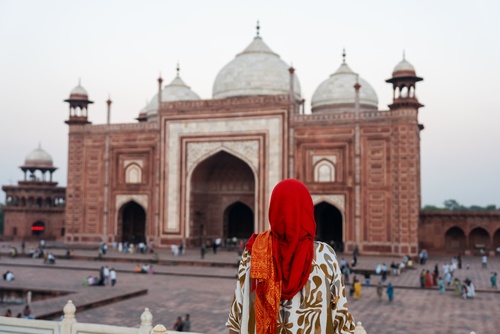
India’s most extraordinary travel experiences are not in its monuments. They are in a weaver’s workshop in Varanasi where a Banarasi silk sari takes three...
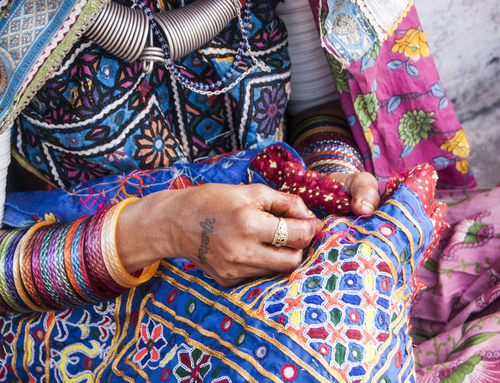
India has more distinct textile and craft traditions than any other country on earth. This is not an approximation. The combination of 28 states, dozens...
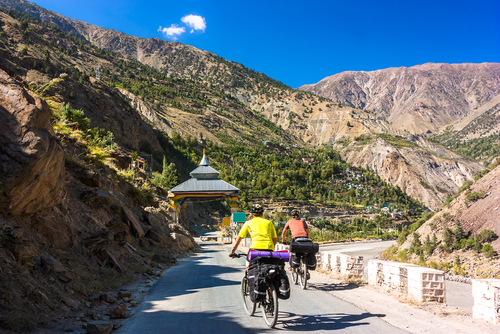
India bookings among adventure travellers surged 214% in the past year. Cycling is at the heart of that surge. International cyclists are discovering that India...
You are one step closer to having the best journey of your lifetime! Talk to us, write to us all that you have envisioned for your India trip, and one of our travel experts will connect with you on priority. To help you explicitly we have WhatsApp and Email addresses!


