October 27, 2026
There is a specific frustration that serious food travelers experience when they return from India.
They try to explain what they ate. They name the dishes. And the people they are talking to, who have eaten at Indian restaurants for years, who consider themselves familiar with Indian food, nod along with expressions that make clear they are imagining something entirely different from what was actually experienced.
This is because Indian food as it exists outside India, even at the finest Indian restaurants in London, New York, and Paris, is not Indian food. It is an adaptation: dishes simplified, spiced for different palates, stripped of the regional specificity, the seasonal ingredients, the caste and community traditions, and the specific place that make the original what it is.
Some foods in India cannot be adapted. They cannot be exported. They cannot exist anywhere else because they depend on ingredients that grow only in specific microclimates, techniques that require specific atmospheric conditions, or community traditions that exist only in specific places.
This guide covers those foods, the ones that exist only in India, only in specific places, only at specific times of year, and that represent the most compelling culinary argument for travelling here specifically.
Malaiyo – The Winter Morning Dessert of Varanasi
Malaiyo exists only in Varanasi. Only in winter. Only in the morning. And only for the hours between its making and its dissolution.
It is made by churning fresh milk overnight in the cold winter air, specifically the cold, still air of Varanasi between November and February, until the milk foam becomes a cloud of extraordinary lightness. This cloud is collected, sweetened with a small amount of sugar, perfumed with saffron and cardamom, and topped with crushed pistachios. It is then sold at street stalls near the ghats from early morning.
The texture is unlike anything else in the world of desserts. It is lighter than mousse, less substantial than ice cream, more flavoured than whipped cream, a foam that dissolves on the tongue almost before it registers as a solid. The saffron and cardamom give it a warmth that contradicts its physical coldness.
By 10am, it is gone. The temperature rises, the foam collapses, and no amount of refrigeration preserves it. The malaiyo vendor packs up and returns tomorrow morning to make it again.
Malaiyo has been made in Varanasi in this way for centuries. It cannot be made in Mumbai or Delhi because the specific cold of a Varanasi winter morning, the combination of temperature, humidity, and the particular air quality of the Gangetic plain in November, is what the technique requires. Every attempt to reproduce it elsewhere produces something inferior.
Eating malaiyo in Varanasi on a winter morning, standing at a ghat-side stall as the fog lifts off the Ganga, this is one of the most specific and most transient culinary experiences available anywhere in India.
Wazwan – The 36-Course Royal Banquet of Kashmir
Wazwan is not a meal. It is an institution.
A traditional Kashmiri wazwan involves up to 36 courses, all prepared by hereditary wazas, the master cooks of Kashmir, using techniques passed through family lines for generations. Every dish involves lamb. The wazwan has no vegetables, no fish, no alternative proteins. It is an expression of Kashmiri pastoral culture and of the culinary sophistication of a valley whose trade routes connected it to Persia, Central Asia, and the Mughal court.
The cooking begins the night before. The lamb is processed, ground by hand on stone, marinated, shaped, through the night. The dishes cook slowly over wood fires whose specific heat and smoke contribute to the final flavour in ways that gas cooking cannot replicate.
The dishes: Rogan josh, the slow-cooked red curry made with Kashmiri chillies, whose colour comes from the chillies rather than from tomatoes, producing a depth and a heat that no restaurant version outside Kashmir approximates. Yakhni, lamb cooked in a yogurt gravy perfumed with cardamom and fennel, white and gentle and complex. Gushtaba, large meatballs of hand-pounded lamb in a white yogurt sauce, the last dish of the wazwan, its arrival signalling the meal’s conclusion. Rista, smaller meatballs in a red gravy of specific intensity. Tabak maaz, ribs fried in clarified butter until crisp. Seekh kabab. Methi maaz.
The meal is served on a trami, a large copper plate shared between four guests, placed on a cloth spread on the floor. Rice is piled at the centre. The dishes arrive in succession, placed around the rice by the waza and his assistants.
A wazwan prepared by a hereditary Kashmiri waza family for a private dinner, which specialist operators can arrange in Srinagar for premium international visitors, is one of the finest and most unrepeatable culinary experiences in Asia. It does not exist in restaurants outside Kashmir. It barely exists in restaurants within Kashmir, the tradition is domestic and ceremonial, not commercial.
Chettinad Spice Combinations – The Cuisine That Uses Ingredients Available Nowhere Else
Chettinad cuisine, from the Nattukotai Chettiar merchant community of the Sivaganga and Karaikudi districts of Tamil Nadu, uses a spice palette that is unique in the world of Indian cooking. Several of its key ingredients are unavailable outside a specific geographic area.
Kalpasi – stone flower, is a lichen that grows on rocks in the forests of the Western Ghats. It has a deep, earthy, slightly musky flavour that functions in Chettinad cooking the way truffle functions in French cuisine, as a background note of extraordinary complexity that is immediately identifiable once encountered and impossible to describe accurately to someone who has not tasted it. Kalpasi cannot be cultivated. It grows wild. It is available in the spice markets of Karaikudi and in a handful of specialist spice merchants in Chennai and occasionally Bengaluru. Nowhere else.
Marathi mokku – dried flower pods of the Indian persimmon, adds a specific floral bitterness to Chettinad masalas that no other ingredient replicates. Like kalpasi, it is gathered rather than cultivated and is essentially unavailable outside the region where it grows.
The Chettinad chicken curry that uses both of these ingredients, together with a dozen other spices including star anise, fennel, black stone flower, and multiple varieties of dried chilli, produces a dish of such specific and layered complexity that even experienced Indian cooks from other regions, confronted with its flavour, cannot identify the components.
Eating genuine Chettinad food in a family home or a traditional restaurant in Karaikudi, not the adapted version available in Chennai or abroad, but the actual preparation made with the actual ingredients by people who have been making this specific cuisine for generations, is one of the most intellectually stimulating culinary experiences available in India.
Coorg Pandi Curry – The Coffee Hills’ Pork Tradition
The Kodava people of Coorg, the coffee-growing hill district of Karnataka, are unique among Hindu communities in their use of pork as a central ingredient in their most ceremonial dishes. Pandi curry, pork cooked with Kachampuli (a thick, intensely sour vinegar made from the Garcinia gummi-gutta fruit that grows specifically in the Western Ghats), is the dish that defines Kodava identity.
Kachampuli cannot be substituted. It is produced only from a specific fruit that grows in the specific elevation and climate of the Coorg Western Ghats. Its flavour, deeply sour, faintly bitter, with a complexity that commercial vinegar cannot approximate, gives pandi curry a character so specific to its place that the dish, made with any other souring agent, becomes a different thing.
Eating pandi curry in a Kodava family home or at a restaurant in Madikeri, cooked by someone whose family has been preparing this specific dish for generations, using Kachampuli from their own production, is an experience that no restaurant outside Coorg can replicate.
The Bengali Hilsa: A Fish That Is Also a Festival
The hilsa, ilish in Bengali, is not simply a fish in Bengal. It is a cultural event.
The hilsa is a migratory fish that moves between the Bay of Bengal and the freshwater rivers of Bengal and Odisha to spawn. It arrives in the rivers during the monsoon, and its arrival, the first hilsa of the season, is treated with the seriousness that the appearance of the first Beaujolais Nouveau receives in France, multiplied by the cultural intensity of a people for whom this fish represents the fullest expression of their culinary identity.
The Bengali fish market on the day the first hilsa of the season arrives is one of the most extraordinary food markets in Asia. The fish are handled with a reverence that visitors from outside Bengal consistently find surprising until they understand what the hilsa means, which is not simply a delicacy but a symbol of prosperity, of the monsoon’s generosity, of everything that the Bengal delta’s extraordinary ecological richness produces.
The most prized hilsa are from specific stretches of specific rivers, the Padma hilsa (from the Padma River, now mostly in Bangladesh) is considered the finest, with the hilsa from the Rupnarayan and Hooghly rivers in West Bengal as the Indian alternative. The fat content, the flavour, and the texture of a genuinely fresh hilsa, eaten the day it was caught, steamed in mustard paste and wrapped in a banana leaf (ilish bhapa) or fried in mustard oil, is unlike any other fish experience available in India.
Eating the first hilsa of the monsoon season in Kolkata, at a market-side restaurant that has been cooking this fish for generations, is a seasonal culinary experience that exists only in this place, only at this time of year, and only in the specific cultural context that gives it meaning.
The Onam Sadya: A Meal That Is Also a Ritual
The Onam Sadya, the elaborate feast served on a banana leaf for Kerala’s harvest festival, is the most formally structured meal in Indian culinary tradition. It is not a restaurant experience or a catered event. It is a ritual.
The sadya involves 26 or more dishes, each placed in a specific position on the banana leaf according to rules that have been observed for centuries. The sequence in which they are eaten is prescribed. The combination of flavours, the specific alternation of sweet, sour, bitter, salty, and astringent that the Kerala culinary tradition considers essential for a complete meal, is engineered into the sadya’s structure.
The banana leaf itself is a ritual object, it must be placed with the pointed end to the left, and the folding of the leaf at the meal’s end communicates whether the guest was satisfied (fold toward yourself) or dissatisfied (fold away from yourself).
Eating an Onam Sadya prepared and served in a traditional Kerala household, rather than in a restaurant, during the Onam season (August–September) is one of the most complete cultural-culinary experiences available in south India. It cannot be fully replicated outside this context because the ritual structure, the communal eating environment, and the specific social meaning of each dish are inseparable from the food itself.
The Paan of Varanasi: A Post-Meal Ritual With No Western Equivalent
Banarasi paan, the betel leaf preparation of Varanasi, is a subject of considerable local pride and of extraordinary variety. It is not food in the conventional sense. It is a ritual conclusion to a meal, a breath freshener, a mild stimulant, and a cultural institution that has been practised on the banks of the Ganga for centuries.
The sweetest and most visitor-friendly version, meetha paan, is stuffed with gulkand (rose petal preserve), dried coconut, fennel seeds, cardamom, and a selection of sweet condiments, wrapped in a tender betel leaf, and placed whole in the mouth to be slowly chewed. The combination of flavours, sweet, cool, faintly astringent, is unlike anything in Western culinary experience.
The most famous preparation in Varanasi, the fire paan, involves the paan being briefly ignited before being placed in the mouth. The performer blows a small flame. The paan is placed whole in the mouth without burning it or the person eating it. It is theatrical, specifically Banarasi, and available in exactly one place in the world at the level of craft that the finest paan wallahs in the old city of Varanasi produce.
Planning a Food-Focused India Itinerary
Varanasi for malaiyo and paan: Visit November to February for malaiyo. The paan experience is year-round. Combine with the dawn boat ride and the Ganga Aarti for a complete Varanasi experience.
Kashmir for wazwan: The finest wazwan experiences are available through specialist operators who can arrange private dinners with hereditary waza families in Srinagar. Visit April to October.
Chettinad for the spice experience: Base in Karaikudi for 2 days. Visit during the festival season (October to February) when family cooking is at its most ceremonial.
Coorg for pandi curry: Year-round, though October to February is the most comfortable season. Combined with coffee estate stays and wildlife at Nagarhole.
Kolkata for hilsa: July to September, the monsoon, is the hilsa season. The city’s fish markets and restaurants during the hilsa season are the finest expression of Bengali food culture available.
Kerala for the Onam Sadya: August to September, during the Onam festival period. A properly prepared sadya in a traditional household, arranged through your operator, is the finest version available.
Frequently Asked Questions
Can I experience these foods outside their specific regions in India?
To varying degrees. A version of wazwan is available in Kashmiri restaurants in Delhi and Mumbai but lacks the hereditary waza preparation and the ceremonial context. Chettinad food is available in Chennai restaurants but without the specific spice ingredients available only in Karaikudi. Malaiyo cannot be experienced anywhere outside Varanasi in winter. The more place-specific the food, the less it survives relocation.
Are these experiences suitable for vegetarians?
Wazwan is entirely non-vegetarian. Chettinad cuisine is predominantly non-vegetarian. Pandi curry is pork. The Onam Sadya is entirely vegetarian, one of the finest vegetarian feasts available anywhere in Asia. Malaiyo is dairy-based and suitable for lacto-vegetarians.
How do I arrange private food experiences in India?
Through a specialist operator with community relationships. A private wazwan dinner with a hereditary waza family in Srinagar, a home cooking session with a Chettinad family, or a traditional Onam Sadya in a Kerala household, these are not experiences available through booking platforms. They require the kind of local relationships that a specialist operator maintains over years.
Is street food safe for international visitors in India?
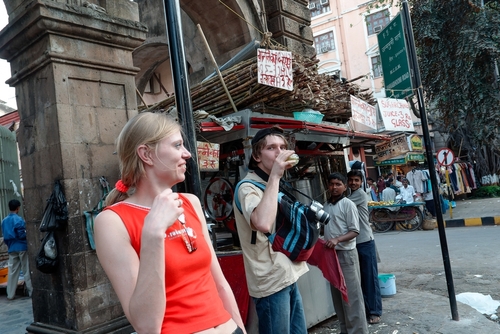
At reputable, high-turnover stalls that have been operating from the same location for decades, yes, with the standard precaution of avoiding raw preparations and drinking bottled water. The malaiyo vendors of Varanasi, the paan wallahs of the old city, the kachori stalls near the ghats, these are establishments with generations of reputation to maintain. The precautions are the same as anywhere: eat where locals eat, eat food that is freshly prepared in front of you, and drink bottled water only.
India’s most extraordinary culinary experiences exist only in specific places, only at specific times of year, and only in the cultural contexts that give them meaning. At GeTS Holidays, we build food-led India itineraries for premium international travellers, combining the seasonal, the unrepeatable, and the genuinely extraordinary with the heritage and landscape experiences that make India’s culinary culture comprehensible. Begin at [www.getsholidays.com].