


Experiential Travel in India: Beyond Sightseeing for International Tourists (2026)
India’s most extraordinary travel experiences are not in its monuments. They are in a weaver’s workshop in Varanasi where a Banarasi silk sari takes three...


 18884507235

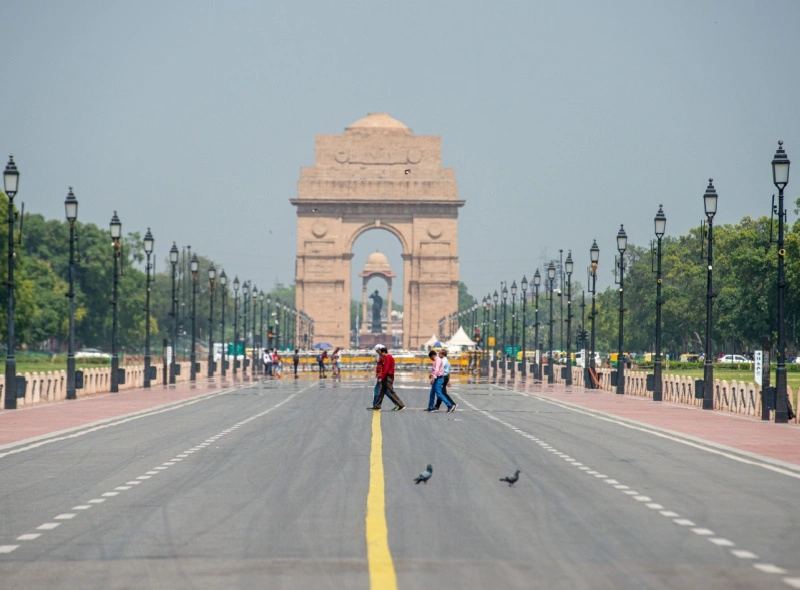
India’s climate is incredibly diverse, influenced by its vast geography, mountain ranges, deserts, tropical forests, and coastline. Understanding the summer period in India, the monsoon season of India, and the different seasons in India can help travelers plan the perfect trip.
From the scorching heat of the plains during summer in India to the dramatic arrival of the monsoon period in India, each season transforms the country’s landscapes and travel experiences. Whether you’re wondering what season it is in India right now or trying to decide the best time to visit India, knowing how India’s seasons work is essential.
This guide explains the summer season months in India, the rainy season in India, and how seasonal changes affect travel across the country.
India traditionally experiences four major seasons, each bringing different weather conditions and travel opportunities.
The winter season in India is generally considered the most comfortable time to explore much of the country. Temperatures are mild across northern and central India, while southern India remains pleasantly warm.
Average temperatures range between 10°C and 25°C, though northern mountainous regions can experience snowfall and freezing conditions.
This period is often regarded as the best months to visit India, especially for exploring popular regions such as Rajasthan, Delhi, and Agra.
Highlights of Winter Travel
Because of these advantages, winter is often considered the best season to go to India for first-time visitors.
Spring time in India marks the transition between winter and the approaching summer heat. During this period, temperatures begin to rise gradually, but the weather remains pleasant in many regions.
Temperatures usually range between 20°C and 30°C, depending on the region.
Spring is particularly famous for vibrant festivals and blooming landscapes in certain parts of the country.
Notable Experiences in Spring
For travelers who want fewer crowds compared to peak winter months, spring can still be among the best months to visit India.
The summer period in India typically runs from May to June, though temperatures begin rising as early as April in many parts of the country.
This is when summer in India reaches its peak, especially in the northern plains, central India, and desert regions.
Temperatures can range from 35°C to 45°C, particularly in cities such as Delhi, Jaipur, and Agra.
Despite the heat, summer travel remains popular because many cooler destinations become ideal during this time.
Hill stations and mountainous regions offer refreshing escapes from the heat.
Popular summer destinations include:
Because these regions remain cool, summer is the best time to visit India’s Himalayan destinations.
However, travelers exploring cities in northern India should prepare for high temperatures.
The monsoon period in India is one of the most defining climatic phenomena in the country. During this time, seasonal winds bring moisture from the Indian Ocean, resulting in the rainy season in India.
The Indian monsoon months typically begin in June in southern India and gradually move northward, covering most of the country by July.
Rainfall varies greatly depending on geography.
The India wet season is responsible for most of the country’s seasonal rainfall in India, which supports agriculture and replenishes rivers.
While some travelers avoid the Indian raining season, it can actually be a beautiful time to visit certain destinations.
Popular monsoon travel regions include:
Monsoon also brings fewer crowds and lower travel costs, making it attractive for budget travelers.
After the rainy season in India, the country enters a pleasant post-monsoon period. The landscapes remain lush and green, rivers are full, and temperatures become moderate.
This short transitional season is often considered one of the best times to visit India.
Festivals such as Diwali also take place during this time, adding cultural vibrancy to travel experiences.
Because India spans multiple climatic zones, the answer to what season it is in India right now can vary depending on the region.
For example:
Therefore, travelers should always check regional weather conditions rather than assuming the entire country experiences the same climate simultaneously.
Determining the best time to visit India depends largely on where you plan to travel.
Generally considered the best season to go to India, this period offers the most comfortable weather for exploring historical cities, deserts, and cultural destinations.
Ideal for visiting hill stations and Himalayan regions, where temperatures remain cool and pleasant.
Perfect for travelers interested in monsoon landscapes, waterfalls, and lush greenery, especially in southern and northeastern India.
North India: October to March
Himalayan Regions: May to September
South India: October to February
Northeast India: October to April
Desert Regions (Rajasthan): November to February
Understanding these regional variations helps travelers choose the best month to go to India depending on their interests.
India’s climate is shaped by powerful seasonal cycles that dramatically transform the country throughout the year. From the intense heat of the summer period in India to the refreshing rains of the monsoon season of India, every season offers unique travel experiences.
Whether you’re exploring historic cities, trekking in the Himalayas, or relaxing along tropical coastlines, knowing the seasons in India can help you plan the perfect itinerary.
By understanding the summer season months in India, the monsoon period in India, and the country’s regional climate patterns, travelers can determine the best months to visit India and enjoy everything this diverse destination has to offer.
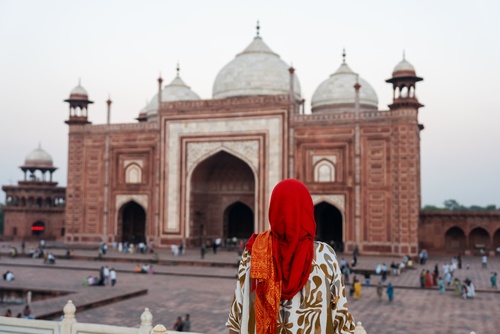
India’s most extraordinary travel experiences are not in its monuments. They are in a weaver’s workshop in Varanasi where a Banarasi silk sari takes three...
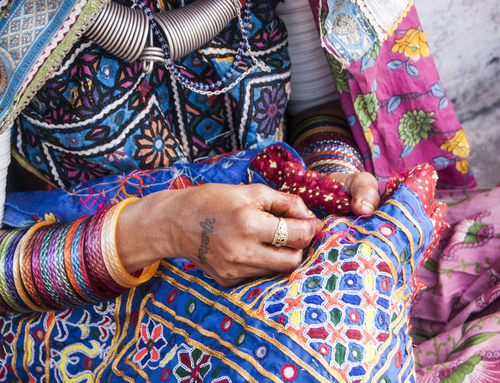
India has more distinct textile and craft traditions than any other country on earth. This is not an approximation. The combination of 28 states, dozens...
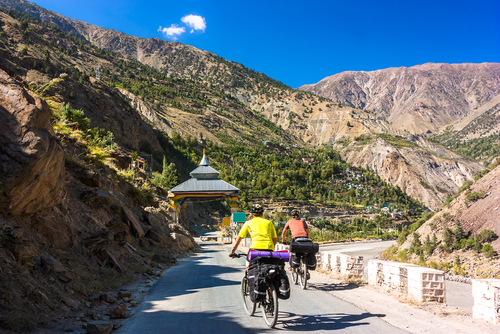
India bookings among adventure travellers surged 214% in the past year. Cycling is at the heart of that surge. International cyclists are discovering that India...
You are one step closer to having the best journey of your lifetime! Talk to us, write to us all that you have envisioned for your India trip, and one of our travel experts will connect with you on priority. To help you explicitly we have WhatsApp and Email addresses!


