


Experiential Travel in India: Beyond Sightseeing for International Tourists (2026)
India’s most extraordinary travel experiences are not in its monuments. They are in a weaver’s workshop in Varanasi where a Banarasi silk sari takes three...


 18884507235

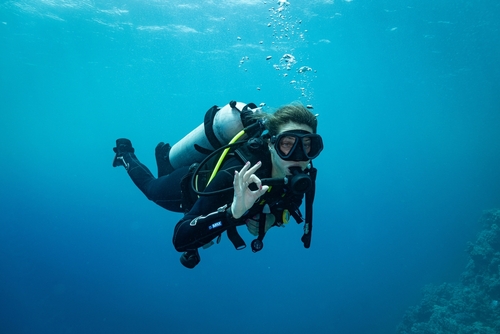
India’s two premier scuba diving destinations, the Andaman Islands and Lakshadweep, both offer warm, clear tropical waters and vibrant marine life, but they differ significantly in accessibility, diving style, and overall experience. If you’re deciding between the two for your next diving trip, here’s a detailed comparison to help you choose.
Located in the Bay of Bengal, the Andaman Islands are India’s most developed diving destination, with an established network of dive centers, particularly around Havelock and Neil Islands.
Diving conditions: The Andamans offer a wide variety of dive sites, ranging from shallow reefs suitable for beginners to more advanced sites with stronger currents and deeper drop offs. Visibility typically ranges from 15 to 30 meters depending on season and location, with healthy coral cover in many areas.
Marine life: Divers can expect to see reef sharks, rays, turtles, barracuda, and a wide variety of reef fish, along with occasional sightings of larger pelagic species like manta rays in certain areas.
Accessibility: The Andamans are reachable via a domestic flight connection through major Indian cities like Chennai, Kolkata, Bangalore, or Delhi, followed by a flight into Port Blair. From there, a ferry ride connects you to Havelock or Neil Island, where most diving operations are based.
Dive infrastructure: This is where the Andamans have a clear advantage. The islands host numerous PADI and SSI certified dive centers, offering everything from introductory dives to full open water and advanced certification courses, along with well established equipment rental and multi-day dive packages.
Best time to dive: November to April offers the best visibility and calmest conditions, with the monsoon season from May to September generally unsuitable for diving due to rough seas.
Cost: A single dive typically costs around 40 to 60 USD, with multi-dive packages and full certification courses offering better value, generally ranging from 300 to 450 USD for a complete open water certification.
Located in the Arabian Sea off India’s southwestern coast, Lakshadweep is a smaller, more remote archipelago that has only recently opened up more meaningfully to tourism, making it a less crowded but also less developed diving destination.
Diving conditions: Lakshadweep’s coral atolls are known for exceptionally clear water, often with visibility exceeding 20 to 30 meters, and a more pristine, less dived reef ecosystem compared to some of the busier Andaman sites.
Marine life: Expect vibrant coral gardens, reef sharks, turtles, and large schools of reef fish, along with a genuine sense of diving in less disturbed waters compared to more heavily visited destinations.
Accessibility: This is Lakshadweep’s biggest challenge. Access is significantly more restricted than the Andamans, requiring a permit for both Indian and foreign nationals, along with limited flight and ship connections primarily from Kochi. Foreign tourists currently face additional restrictions on which islands they can visit, and availability of tourist infrastructure remains limited compared to the Andamans.
Dive infrastructure: Diving operations in Lakshadweep are far more limited than in the Andamans, with fewer dive centers and less developed equipment rental or training infrastructure. This makes advance planning and booking considerably more important.
Best time to dive: October to May offers the calmest seas and best visibility, with the monsoon season making diving impractical for much of the year.
Cost: Diving costs in Lakshadweep tend to be comparable to or slightly higher than the Andamans, given the more limited infrastructure and additional permit costs, with single dives generally in the 50 to 80 USD range.
The Andaman Islands are considerably easier to reach, with well established flight connections and no special permits required for most tourist areas. Lakshadweep requires permits and has more limited transport options, making it a more logistically demanding destination.
The Andamans, particularly Havelock, have grown busier over the years as diving tourism has developed. Lakshadweep remains far less crowded, offering a quieter, more untouched diving experience for those willing to navigate the additional planning required.
The Andamans offer a broader range of dive sites suited to different skill levels, from beginner friendly reefs to more advanced deep dives. Lakshadweep’s dive sites, while beautiful, are more limited in number due to the smaller developed tourist infrastructure.
If you’re looking to get certified for the first time, the Andamans offer significantly more established training infrastructure, with a wider choice of instructors, schools, and course schedules.
The Andamans strike a good balance between accessibility and quality diving, making them the more practical choice for most travelers. Lakshadweep rewards those seeking a quieter, more exclusive experience and willing to deal with additional permits and more limited logistics.
Choose the Andaman Islands if:
Choose Lakshadweep if:
Both the Andaman Islands and Lakshadweep offer world class diving within Indian waters, but they suit different kinds of travelers. The Andamans remain the more accessible, better developed choice for most divers, particularly those pursuing certification or traveling with limited time. Lakshadweep, while more demanding to reach, rewards experienced divers with quieter reefs and a genuinely off the beaten path experience. Whichever you choose, both destinations prove that India’s underwater world deserves just as much attention as its temples, forts, and mountains.

India’s most extraordinary travel experiences are not in its monuments. They are in a weaver’s workshop in Varanasi where a Banarasi silk sari takes three...

India has more distinct textile and craft traditions than any other country on earth. This is not an approximation. The combination of 28 states, dozens...
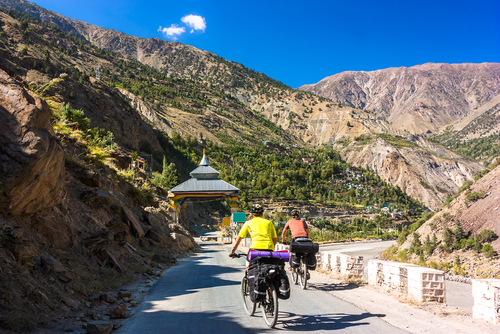
India bookings among adventure travellers surged 214% in the past year. Cycling is at the heart of that surge. International cyclists are discovering that India...
You are one step closer to having the best journey of your lifetime! Talk to us, write to us all that you have envisioned for your India trip, and one of our travel experts will connect with you on priority. To help you explicitly we have WhatsApp and Email addresses!


