


Experiential Travel in India: Beyond Sightseeing for International Tourists (2026)
India’s most extraordinary travel experiences are not in its monuments. They are in a weaver’s workshop in Varanasi where a Banarasi silk sari takes three...


 18884507235

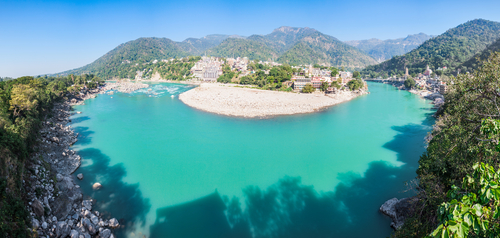
Both nestled in the foothills of the Himalayas, Rishikesh and Dharamshala have become two of North India’s most popular destinations for travelers seeking a mix of spirituality, nature, and a slower pace of life. But despite some surface similarities, they offer genuinely different experiences. Here’s a detailed comparison to help you decide which one fits your trip better, or whether you have time to visit both.
Rishikesh sits along the banks of the Ganges River, right where it emerges from the Himalayas onto the plains. It’s globally recognized as the yoga capital of the world, drawing practitioners, spiritual seekers, and increasingly, adventure travelers.
Atmosphere: Rishikesh has a distinctly spiritual, disciplined energy. Ashrams, yoga studios, and meditation centers line the riverbanks, and the daily Ganga aarti at Triveni Ghat and Parmarth Niketan draws large crowds each evening. The town operates under a strict vegetarian, alcohol free policy, reflecting its deep religious significance.
Top experiences:
Food and culture: Expect a strong focus on sattvic, vegetarian cuisine, herbal teas, and health conscious cafes catering to the international wellness crowd. Nightlife in the conventional sense is essentially nonexistent here.
Best for: Travelers prioritizing yoga, meditation, and a structured spiritual experience, along with a bit of river based adventure sport.
Dharamshala, and particularly its upper neighborhood McLeod Ganj, has been the home of the Dalai Lama and the Tibetan government in exile since 1959. This has shaped the town into a unique blend of Himalayan Indian culture and Tibetan Buddhist tradition, unlike anywhere else in India.
Atmosphere: Dharamshala feels noticeably different from Rishikesh, quieter, cooler, and shaped by Tibetan Buddhist monasteries, prayer flags, and a strong presence of Tibetan refugees and monks. It’s set at a higher altitude, with cooler weather and more mountainous surroundings than Rishikesh.
Top experiences:
Food and culture: Dharamshala has a strong Tibetan food influence, with momos, thukpa, and thenthuk widely available alongside standard North Indian fare. The town also has a more relaxed attitude toward alcohol compared to Rishikesh, with a handful of cafes and rooftop restaurants serving beer alongside mountain views.
Best for: Travelers interested in Tibetan Buddhist culture, moderate trekking, and a cooler, quieter mountain retreat with a more international, laid back café culture.
Rishikesh centers around Hindu spirituality, yoga, and the Ganges River. Dharamshala centers around Tibetan Buddhism and the presence of the Dalai Lama’s exile government.
Rishikesh sits at a lower elevation along a river, with a warmer climate overall. Dharamshala sits higher in the mountains, offering cooler weather and more dramatic Himalayan scenery, including snow capped peaks visible from town.
Rishikesh leans toward yoga, meditation, and river based adventure sports like rafting. Dharamshala leans toward trekking, monastery visits, and a more relaxed café culture.
Rishikesh maintains a strict vegetarian, alcohol free policy across the town. Dharamshala is more relaxed, with alcohol available in some establishments and a broader mix of dining options.
Rishikesh is closer to Delhi, roughly a six to seven hour drive or a short flight to nearby Dehradun followed by a road transfer. Dharamshala is farther, typically a ten to twelve hour drive from Delhi or a flight into Kangra Airport followed by a shorter transfer.
Choose Rishikesh if:
Choose Dharamshala if:
If your itinerary allows for ten days or more in North India, it’s entirely possible to visit both, though they require some logistical planning since they’re not directly on the way to each other. Many travelers combine Rishikesh with a broader Uttarakhand itinerary, while Dharamshala is often paired with other Himachal Pradesh destinations like Dharamkot, Bir Billing, or the Kangra Valley.
Rishikesh and Dharamshala both offer a meaningful escape from India’s more chaotic cities, but they cater to different priorities. Rishikesh suits travelers drawn to yoga, river spirituality, and a disciplined wellness focus, while Dharamshala suits those interested in Tibetan Buddhist culture, cooler mountain trekking, and a slightly more relaxed pace of life. Neither is objectively better, the right choice simply depends on what kind of Himalayan experience you’re looking for.
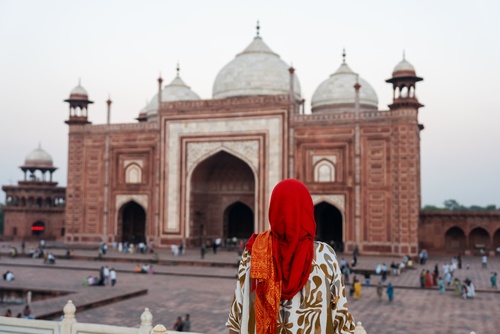
India’s most extraordinary travel experiences are not in its monuments. They are in a weaver’s workshop in Varanasi where a Banarasi silk sari takes three...
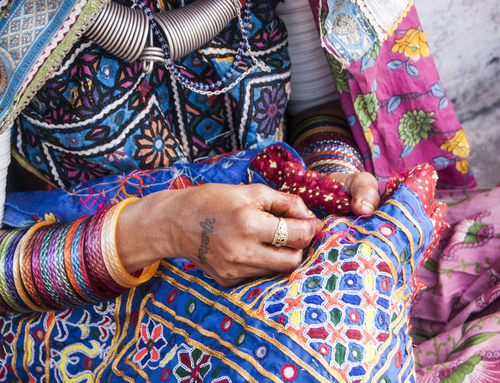
India has more distinct textile and craft traditions than any other country on earth. This is not an approximation. The combination of 28 states, dozens...
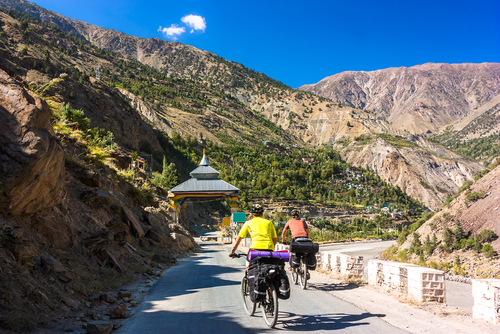
India bookings among adventure travellers surged 214% in the past year. Cycling is at the heart of that surge. International cyclists are discovering that India...
You are one step closer to having the best journey of your lifetime! Talk to us, write to us all that you have envisioned for your India trip, and one of our travel experts will connect with you on priority. To help you explicitly we have WhatsApp and Email addresses!


