


Kochi Travel Guide for International Tourists: Kerala’s Most Extraordinary City (2026)
Kochi is India’s most trending international destination in 2026. This is not a marketing claim, it is the finding of travel search data across European...


 18884507235

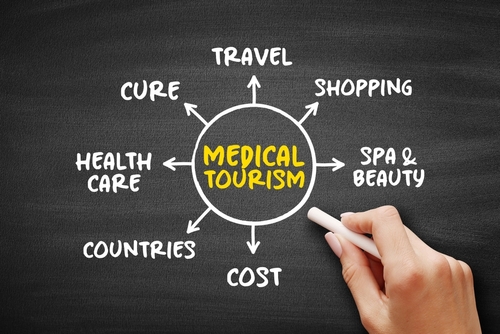
India treated over 700,000 international medical tourists in 2025. In 2026, that number is on track to cross 900,000. The Indian government has set a target of 10 million international medical tourists annually, and the infrastructure to support it is already largely in place.
For international patients considering India for medical treatment, the combination of world-class hospitals, internationally trained physicians, and costs that are 60–80% lower than equivalent procedures in the US, UK, or Australia makes India one of the most compelling medical tourism destinations in the world.
This guide covers everything international patients need to know before travelling to India for medical treatment in 2026.
India’s medical tourism appeal rests on four pillars.
Quality. India has over 30 hospitals accredited by the Joint Commission International (JCI), the gold standard for international hospital accreditation. Hundreds more carry NABH accreditation, India’s national equivalent. The physicians at these institutions are frequently trained in the US, UK, or Australia and maintain international practice standards.
Cost. A cardiac bypass surgery that costs $100,000–150,000 in the United States costs $5,000–10,000 in India at a JCI-accredited hospital. A hip replacement that costs $40,000–50,000 in the UK costs $6,000–9,000 in India. The savings are not marginal. They are transformative.
Waiting times. India’s private hospitals have no waiting lists for most procedures. A patient who might wait 12–18 months for an elective procedure in the UK’s NHS can schedule the same procedure in India within days.
Holistic integration. India uniquely combines conventional medical treatment with Ayurvedic rehabilitation, yoga-based recovery programmes, and wellness retreats. Several hospitals offer integrated recovery packages that combine post-surgical care with Ayurvedic treatment, an approach unavailable anywhere else in the world.
International patients travel to India for a wide range of procedures. The most commonly sought are:
Cardiac procedures – bypass surgery, valve replacement, angioplasty. India’s cardiac surgery outcomes at top hospitals compare favourably with the best centres in the US and Europe. Cost savings of 80–90% versus US prices are typical.
Orthopaedic procedures – hip replacement, knee replacement, spinal surgery. High-volume centres in India perform these procedures in numbers that generate the surgical experience associated with consistently excellent outcomes.
Oncology – cancer diagnosis, chemotherapy, radiation therapy, and surgical oncology. India’s cancer centres have invested heavily in the latest diagnostic and treatment technology. Several offer proton therapy and robotic surgery at costs unavailable in many Western countries.
Fertility treatment – IVF and assisted reproduction. India’s fertility clinics offer high success rates and costs that are 70–80% lower than equivalent treatment in the US or UK.
Dental treatment – complex dental restoration, implants, orthodontics. The cost differential for dental work is among the most dramatic in medical tourism, procedures costing $10,000–20,000 in the US are available in India for $1,500–4,000 at excellent quality.
Ayurvedic treatment – while not conventional medicine in the Western sense, Ayurvedic Panchakarma and specialised treatment programmes attract a growing number of international patients seeking evidence-informed traditional medicine. Kerala is the primary destination.
Chennai is India’s most developed medical tourism hub. The city hosts several of India’s finest hospitals, Apollo Hospitals (the flagship campus), Fortis Malar, and MIOT International among them, and has decades of experience managing international patients.
The Apollo Hospitals network, founded in Chennai in 1983, was the pioneer of corporate healthcare in India and remains the largest hospital group in Asia. The Chennai Apollo campus has treated patients from over 140 countries.
Chennai’s international patient departments are among the most sophisticated in India, dedicated coordinators, translation services in multiple languages, accommodation assistance, and visa facilitation are standard.
Delhi’s hospital landscape includes some of India’s finest tertiary care institutions. Medanta, The Medicity in Gurugram (immediately adjacent to Delhi) is consistently rated among India’s finest hospitals for cardiac, orthopaedic, and oncology care. Max Healthcare, Fortis Healthcare, and AIIMS (All India Institute of Medical Sciences, India’s premier public medical institution) are all based in the Delhi NCR region.
Delhi’s advantage is connectivity, as India’s primary international gateway, it is the most accessible Indian city for most international patients.
Mumbai’s private hospital sector is dominated by several institutions of exceptional quality, Kokilaben Dhirubhai Ambani Hospital, Lilavati Hospital, and Jaslok Hospital among them. The city’s medical tourism infrastructure is particularly well-developed for oncology and cardiac care.
Bengaluru’s healthcare sector has benefited from the city’s technology culture; several hospitals here are early adopters of robotic surgery, AI-assisted diagnostics, and minimally invasive procedures. Narayana Health, founded by cardiac surgeon Dr Devi Shetty, operates a network of hospitals offering high-quality cardiac care at costs that make it accessible to patients from developing countries as well as the West.
International patients travelling to India specifically for medical treatment should apply for a Medical Visa (MV) rather than a standard tourist visa.
Key features of the Indian Medical Visa:
Application process: Contact your chosen hospital in India before applying. The hospital’s international patient department will provide the necessary documentation. The visa application is then submitted to the nearest Indian embassy or high commission with this documentation.
Choose your hospital before anything else. Verify JCI or NABH accreditation. Research the specific surgeon or specialist you require, not just the hospital’s general reputation. Request outcome data for your specific procedure from the hospital’s international patient department.
Plan the logistics around treatment, not around tourism. Medical travel requires flexibility. Procedures may take longer than planned. Recovery may require extended stays. Build generous time buffers into your travel planning.
Arrange accommodation close to the hospital. Most major medical tourism hospitals in India have affiliated guesthouses or have partnerships with nearby hotels specifically for international patients and their attendants. Ask your hospital’s international patient coordinator for recommendations.
Carry all medical records. Bring complete medical records, diagnostic reports, imaging, previous surgical reports, current medication lists, in both digital and printed formats. Ensure they are translated into English if originally in another language.
Get comprehensive travel insurance. Standard travel insurance does not cover medical treatment. Specialist medical travel insurance that covers the specific procedure you are having, potential complications, and medical evacuation if required is essential.
Understand post-treatment requirements. Many procedures require follow-up consultations after returning home. Establish a relationship with a physician in your home country who is willing to manage follow-up care based on records from your Indian hospital before you travel.
One of India’s most distinctive advantages as a medical tourism destination is the ability to combine conventional medical treatment with Ayurvedic rehabilitation and wellness recovery.
Several hospitals, particularly in Kerala, offer post-surgical recovery programmes that integrate Ayurvedic treatment with conventional physiotherapy. The combination of medicated oil therapies, dietary protocols, and yoga-based rehabilitation produces recovery outcomes that patients consistently describe as superior to conventional recovery alone.
Additionally, several of India’s finest Ayurvedic retreat centres, Kalari Kovilakom, Ananda in the Himalayas, offer post-treatment wellness programmes specifically designed for medical tourists who want to combine recovery with restoration.
Is medical treatment in India safe for international patients?
At JCI or NABH-accredited hospitals with verified specialist credentials, yes. India’s top private hospitals operate to international standards. Research your specific hospital and surgeon carefully, verify accreditation, and request outcome data for your procedure.
How much can I save on medical treatment in India compared to the US?
Savings of 60–90% on most procedures compared to US costs are typical. Cardiac bypass surgery: US $100,000–150,000 vs India $5,000–10,000. Hip replacement: US $40,000–50,000 vs India $6,000–9,000. These figures are approximate, request a specific cost estimate from your chosen hospital before planning.
Do Indian hospitals have English-speaking staff?
Yes. All JCI-accredited hospitals and most major private hospitals in India’s medical tourism hubs have English-speaking physicians, nurses, and dedicated international patient coordinators. Several also offer translation services in French, German, Arabic, Russian, and other major languages.
How do I choose the right hospital in India for my treatment?
Verify JCI or NABH accreditation. Research the specific surgeon’s qualifications and experience. Request patient outcome data for your procedure. Seek testimonials from previous international patients. Your operator or a medical tourism facilitator can assist with this research.
Planning medical treatment in India requires navigating hospital selection, visa applications, accommodation, and logistics simultaneously. At GeTS Holidays, we work with India’s finest accredited hospitals to help international patients plan their medical travel from arrival to recovery, combining treatment logistics with the comfort and care that a complex journey requires. Begin at [www.getsholidays.com].
Kochi is India’s most trending international destination in 2026. This is not a marketing claim, it is the finding of travel search data across European...

Thailand has been the default Asian destination for Western travellers for three decades. It is familiar, efficient, beautiful, and well-understood. The beaches are excellent. The...
There is no city in the world like Varanasi. Not in Asia. Not anywhere. Varanasi is the oldest continuously inhabited city on earth, possibly 3,000...
You are one step closer to having the best journey of your lifetime! Talk to us, write to us all that you have envisioned for your India trip, and one of our travel experts will connect with you on priority. To help you explicitly we have WhatsApp and Email addresses!


