


Experiential Travel in India: Beyond Sightseeing for International Tourists (2026)
India’s most extraordinary travel experiences are not in its monuments. They are in a weaver’s workshop in Varanasi where a Banarasi silk sari takes three...


 18884507235


India has a reputation for being one of the most affordable travel destinations in the world, and for the most part, that reputation holds up. But the range of what you can spend is enormous, from backpacker hostels costing a few dollars a night to five star palace hotels that rival anything in Europe. This guide breaks down realistic costs across different travel styles so you can budget accurately for your 2026 trip.
International flights to India vary widely depending on your departure city and season, but budget travelers from Europe or Southeast Asia can often find round trip fares in the 400 to 700 USD range, while flights from North America or Australia tend to run higher, often 800 to 1,500 USD depending on the season and how far in advance you book.
Most foreign nationals need a visa to enter India. The e-Visa system is the most convenient option for tourists, with fees varying by nationality and duration, generally ranging from around 25 to 100 USD depending on visa type and length of stay.
Budget (hostels and guesthouses): 5 to 15 USD per night for a hostel dorm bed or basic guesthouse room. Cities like Varanasi, Rishikesh, and Goa have particularly good budget options for backpackers.
Mid-range (3-star hotels): 25 to 60 USD per night for a comfortable, clean hotel room with air conditioning and reliable wifi, widely available in most tourist cities.
Luxury (4 and 5-star hotels, heritage palaces): 100 to 400+ USD per night, with Rajasthan’s converted palace hotels often sitting at the higher end of this range, especially during peak season.
India offers exceptional value when it comes to food, regardless of budget.
Street food and local eateries: A full meal at a local dhaba or street stall typically costs 1 to 3 USD, and even in cities, thali meals at modest restaurants rarely exceed 4 to 5 USD.
Mid-range restaurants: Expect to pay 8 to 15 USD per meal at a comfortable, tourist friendly restaurant with a broader menu and more polished service.
Fine dining: Upscale restaurants in cities like Delhi, Mumbai, and Bengaluru can run 25 to 60 USD per person for a multi course meal with drinks.
A realistic daily food budget for most travelers, mixing street food with the occasional sit down meal, is around 8 to 15 USD per day.
Domestic flights: Budget airlines like IndiGo, SpiceJet, and Air India Express offer routes between major cities often priced between 40 and 100 USD one way, depending on how far in advance you book.
Trains: India’s rail network is extensive and affordable. Sleeper class tickets on long distance trains can cost as little as 3 to 10 USD, while more comfortable AC classes range from 15 to 40 USD depending on distance and class.
Local transport: Auto rickshaws and local taxis are inexpensive, typically costing 1 to 3 USD for short city rides, though it’s worth using ride hailing apps like Uber or Ola to avoid overpaying as a tourist.
Private car with driver: For multi-day trips, hiring a private car and driver typically costs 25 to 40 USD per day, which can be a worthwhile convenience for covering longer distances comfortably.
Entry fees for monuments and attractions in India often have a dual pricing structure, with foreign tourists paying significantly more than Indian nationals.
Backpacker budget: 25 to 40 USD per day, covering hostel accommodation, street food, local transport, and modest sightseeing.
Mid-range budget: 60 to 100 USD per day, covering comfortable hotels, a mix of local and sit down dining, occasional private transport, and standard attraction entry fees.
Luxury budget: 200 USD and above per day, covering high end hotels, fine dining, private drivers, and premium experiences like luxury train journeys or heritage palace stays.
For a two week trip covering the Golden Triangle (Delhi, Agra, Jaipur) plus a few extra days in Goa or Kerala, a mid-range traveler might expect to spend:
This puts a realistic mid-range two week trip, excluding international flights, somewhere between 900 and 1,550 USD per person, with international flights adding another 500 to 1,000 USD depending on your departure point.
India can genuinely be experienced on a shoestring budget or as a fully immersive luxury trip, and most travelers find themselves somewhere comfortably in between. The key to accurate budgeting is being honest about your travel style rather than assuming the lowest possible costs apply to your entire trip. With a bit of planning, India remains one of the best value destinations in the world for the sheer depth of experience it offers per dollar spent.
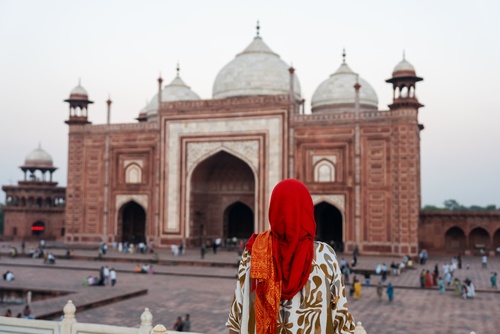
India’s most extraordinary travel experiences are not in its monuments. They are in a weaver’s workshop in Varanasi where a Banarasi silk sari takes three...

India has more distinct textile and craft traditions than any other country on earth. This is not an approximation. The combination of 28 states, dozens...
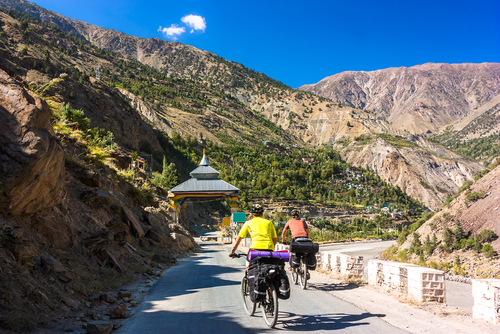
India bookings among adventure travellers surged 214% in the past year. Cycling is at the heart of that surge. International cyclists are discovering that India...
You are one step closer to having the best journey of your lifetime! Talk to us, write to us all that you have envisioned for your India trip, and one of our travel experts will connect with you on priority. To help you explicitly we have WhatsApp and Email addresses!


