


Kochi Travel Guide for International Tourists: Kerala’s Most Extraordinary City (2026)
Kochi is India’s most trending international destination in 2026. This is not a marketing claim, it is the finding of travel search data across European...


 18884507235

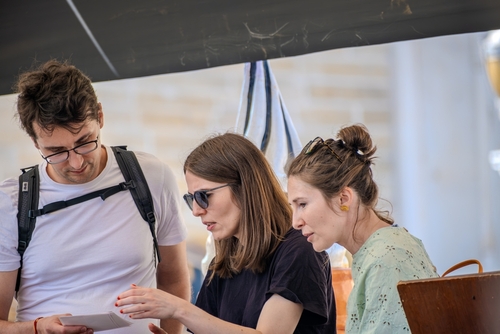
India is one of the most rewarding solo travel destinations in the world. It is also one of the most misunderstood.
Many international travellers hesitate before choosing India for a solo trip. The country’s reputation, chaotic, overwhelming, occasionally difficult to navigate, puts people off. However, the travellers who do come alone consistently report the same thing: India is more manageable than expected, more welcoming than anticipated, and more transformative than any group trip could have been.
Solo travel in India forces a quality of engagement with the country that group travel rarely produces. You make decisions independently. You talk to people you would otherwise walk past. You follow what interests you rather than what suits everyone else. And India, more than almost any other destination, rewards exactly this kind of attention.
This complete 2026 guide covers everything international solo travellers need to know, from safety and destinations to logistics and the specific experiences that make India extraordinary when explored alone.
Yes. India is an excellent solo travel destination for international visitors.
However, it requires more preparation than most. The country is vast, complex, and occasionally unpredictable. Solo travellers who arrive with realistic expectations, basic preparation, and genuine curiosity consistently have extraordinary experiences.
Solo travellers who arrive expecting India to work like a well-organised European city consistently struggle.
The difference between these two experiences comes down to preparation, mindset, and the quality of support on the ground. This guide addresses all three.
India is safe for solo international travellers in its main tourist destinations. Millions of solo visitors from the US, UK, Europe, and Australia travel India independently every year without incident.
However, safety in India requires active awareness rather than passive assumption. Consider the following:
The cities that require the most awareness for solo travellers are Delhi and Varanasi, not because they are dangerous, but because they are the most intense and the most likely to produce overwhelming first impressions. Both reward patience and reward the solo traveller who gives them time.
This question deserves a direct and honest answer.
India has a complex reputation regarding women’s safety, shaped by high-profile incidents that received significant international media coverage. That reputation is not entirely undeserved, harassment, particularly verbal harassment in public spaces, is more common in India than in many Western countries and in some parts of the country more than others.
However, millions of solo female travellers visit India every year and do so safely. The experience varies significantly by destination, by behaviour, and by preparation.
South India – Tamil Nadu, Kerala, Karnataka, is consistently rated more comfortable for solo female travellers than north India. The cities are less crowded, the cultural norms around public behaviour are different, and the tourist infrastructure is well-established.
Goa is the most relaxed environment in India for solo female travellers. The coastal, cosmopolitan culture and the large international tourist presence create an environment where solo women are entirely unremarkable.
Rajasthan’s major cities – Jaipur, Udaipur, Jodhpur, are well-established tourist destinations with good infrastructure. They are manageable for solo female travellers with standard precautions.
Ladakh and Himachal Pradesh are consistently cited by solo female travellers as among the most comfortable destinations in India. The smaller communities, the Buddhist cultural environment, and the low tourist density create a genuinely relaxed atmosphere.
Solo female travel in India is entirely possible and frequently extraordinary. It requires more active management of your environment than solo female travel in, say, Portugal or Japan. The rewards, the conversations, the access, the depth of experience, are proportionally greater.
The travellers who find solo female travel in India most rewarding are those who prepare specifically, choose their destinations thoughtfully, and approach the country with confidence rather than anxiety.
Not all Indian destinations are equally suited to solo travel. These are the ones that consistently deliver the best experiences for international visitors travelling alone.
Rishikesh is the finest destination in India for solo travellers seeking connection, wellness, and spiritual depth.
The town’s yoga ashrams, meditation centres, and adventure sports operators create a natural social infrastructure for solo visitors. You will meet people, other travellers, teachers, long-term residents, within hours of arriving. The Ganga runs through the town. The Himalayan foothills rise on both sides. The evening Ganga Aarti at Triveni Ghat brings the community together every sunset.
Additionally, Rishikesh is one of the safest towns in India for solo travellers of all genders. The culture of the place, shaped by decades of spiritual tourism, creates a respectful, open atmosphere that is genuinely different from India’s larger cities.
Best for: Solo travellers interested in yoga, meditation, white-water rafting, trekking, and genuine cultural connection.
Varanasi is the most powerful solo travel destination in India, and the most demanding.
The city’s intensity, the ghats, the cremations, the pilgrims, the lanes of the old city, is best absorbed alone. Group travel in Varanasi produces a diffusion of attention that the city actively punishes. Solo travel produces a concentration of experience that the city actively rewards.
Give Varanasi three nights minimum. Take the dawn boat ride alone. Walk the old city lanes without a destination. Sit at the ghats in the evening and watch what happens.
Best for: Solo travellers who want India’s most spiritually and culturally intense experience and who are comfortable with genuine complexity.
Kerala is India’s most relaxed solo travel destination. The backwaters, the hill stations, the beaches of Varkala, and the Ayurvedic retreats all work exceptionally well for solo visitors.
Furthermore, Kerala’s tourism infrastructure is excellent. Transport is reliable. English is widely spoken. The cultural environment is comfortable for solo travellers of all backgrounds.
Best for: Solo travellers seeking wellness, nature, and a slower pace. Particularly recommended for solo female travellers as a first India destination.
Goa is India’s most socially accessible destination for solo travellers. The beach culture, the concentration of international visitors, and the relaxed atmosphere make it easy to meet people and easy to be alone in equal measure.
North Goa has the most active social scene, beach clubs, markets, and restaurants where solo travellers naturally converge. South Goa is quieter and better suited to solo travellers seeking genuine relaxation rather than social activity.
Best for: Solo travellers who want beach culture, social connection, excellent food, and a genuinely easy introduction to India.
Ladakh is India’s finest destination for solo travellers who want landscape, Buddhist culture, and the specific freedom of high-altitude exploration.
The monasteries, the lakes, the mountain passes, and the extraordinary light of the high Himalayas are all experiences that solo travel enhances rather than diminishes. Moreover, Ladakh’s small, tight-knit tourism community means that solo travellers meet fellow visitors naturally at guesthouses, monastery visits, and shared jeep arrangements.
Best for: Solo travellers with an appetite for adventure, altitude, and genuine remoteness. Requires specific acclimatisation planning, read the Ladakh guide on this site before booking.
Jaipur is the most practical starting point for solo travellers visiting Rajasthan for the first time. The Pink City’s tourist infrastructure is excellent. The main sights; Amber Fort, City Palace, Jantar Mantar, are manageable independently. The old city’s bazaars are extraordinary for solo exploration.
Best for: First-time India solo travellers who want the Rajasthan experience with the best available tourist infrastructure.
The best time to visit India as a solo traveller depends on your chosen destination. However, these general rules apply:
October to March is the best overall window. Temperatures are comfortable across most of India. The festival calendar, Diwali, Pushkar Camel Fair, Christmas in Goa — creates natural social opportunities for solo travellers.
April to June is ideal for Ladakh and Kashmir but very hot elsewhere. Solo travellers targeting the Himalayas should plan for this window.
July to September is the monsoon season. It suits solo travellers who want Kerala’s backwaters and Ayurvedic retreats at their finest and Rajasthan’s forts without crowds. However, transport disruptions from heavy rain require flexibility.
The single best month for a first solo India trip: October. The post-monsoon landscape is at its most vivid. The weather is excellent across the country. The peak season crowds have not yet arrived. Festival energy, Diwali falls in October or November, is at its most intense.
Getting around India independently is manageable. These are the transport options that work best for solo international travellers.
Uber and Ola operate across all major Indian cities. They are the safest, most transparent transport option for solo travellers. Fixed fares, GPS tracking, driver identification, and the ability to share your trip with a contact make them significantly preferable to unmetered taxis or auto-rickshaws negotiated on the street.
Download both apps before arriving. Keep data active on your phone throughout your trip.
Indian Railways is one of the great travel experiences of Asia and a practical way to cover long distances between cities. For solo travellers, the key points are:
India’s domestic flight network is excellent and affordable. For solo travellers covering significant distances, Delhi to Kochi, Mumbai to Leh, domestic flights save days of travel time at very reasonable cost.
IndiGo, Air India, and SpiceJet are the main carriers. Book 3–4 weeks in advance for the best availability and pricing.
For solo luxury travellers, a private vehicle with an experienced driver is the most comfortable and most flexible transport option. It provides complete independence of timing, the ability to stop wherever something interesting appears, and a knowledgeable local presence throughout the journey.
The cost of a private vehicle and driver in India, split between two or more travellers, is very reasonable. For a solo traveller bearing the full cost, it is significantly more expensive than shared transport but delivers a quality of experience that public transport cannot match.
Accommodation choice matters more for solo travellers than for groups. These are the options that work best.
Small, well-reviewed heritage guesthouses and boutique hotels are the finest accommodation for solo international travellers in India. They offer:
Look for: Properties with consistently strong reviews from solo travellers specifically. Reviews that mention helpful staff, safe environments, and genuine local knowledge are the most useful indicators.
For solo luxury travellers, India’s palace hotels and heritage properties work exceptionally well. The personal attention that comes with a lower staff-to-guest ratio at these properties, particularly outside peak season, creates an experience of exceptional quality for a solo visitor.
Additionally, the finest heritage hotels in Rajasthan often facilitate experiences, private dinners with the owner family, guided tours of non-public areas, introductions to local craftspeople, that are most readily available to solo guests who engage directly with the property.
For solo travellers interested in wellness, spiritual practice, or yoga, India’s ashrams and retreat centres provide accommodation, community, and structured daily programmes simultaneously. They are among the most socially rich environments available to solo visitors in the country.
Best options: Parmarth Niketan in Rishikesh, the Ramana Maharshi Ashram in Tiruvannamalai, and the Sivananda Yoga Vedanta Centres across Kerala.
Eating alone in India is rarely a problem. Indian dining culture is comfortable with solo diners in a way that many Western restaurant cultures are not.
The busiest local restaurant at lunchtime is almost always the safest and most rewarding place to eat. High turnover means fresh food. Local patronage means the dishes have been refined by demanding, knowledgeable customers.
Point at what the person next to you is eating if the menu is unfamiliar. This approach consistently produces excellent meals and occasionally produces conversations.
Your accommodation’s staff know the neighbourhood better than any review platform. Ask specifically for the best local breakfast spot, the finest thali at lunch, and the most reliable place for dinner. These recommendations are almost always more accurate than online reviews for hyperlocal eating.
India’s street food is among the finest in the world. Solo travellers are ideally positioned to explore it, you can stop at a stall on impulse, eat standing up, and move on without negotiating with a group.
Follow the standard rules: eat where the locals eat, eat food that is freshly cooked in front of you, avoid raw salads and unpeeled fruit, and drink bottled water only.
These apply to all solo international travellers regardless of gender.
Solo travel in India is rarely lonely. The country’s culture of hospitality means that meaningful human contact happens constantly and naturally.
However, for solo travellers who want to be more deliberate about meeting people, these approaches work consistently well.
Join a walking tour. Most major Indian cities have walking tours, heritage walks, food walks, photography walks, that attract solo travellers and provide a natural social context. They are also the finest introduction to a new city available to an independent visitor.
Stay in communal guesthouse environments. Rooftop restaurants, shared common areas, and the general atmosphere of a good boutique guesthouse in India create natural meeting points for solo travellers from across the world.
Take a cooking class. Cooking classes in Jaipur, Varanasi, Mumbai, and Kochi regularly bring together small groups of international travellers for a shared experience that produces conversation naturally.
Attend a yoga class or meditation session. Rishikesh, Mysuru, and Kerala’s retreat centres are full of international solo travellers. A morning yoga class or evening meditation session is one of the most reliable ways to meet like-minded people in India.
Talk to people. This sounds obvious. In practice, it is the most reliable thing a solo traveller can do in India. Ask the chai vendor about his day. Ask the auto-rickshaw driver about his city. Ask the person at the next table what they ordered. Indian people are, as a general rule, genuinely delighted by the curiosity of international visitors and will respond to it with warmth and generosity.
Solo luxury travel in India is a specific and rapidly growing segment, and one that India serves exceptionally well.
The exchange rate means that solo luxury travel in India, bearing the full cost of a private vehicle, a palace hotel room, and specialist guides without splitting with a companion, is significantly more affordable than equivalent solo luxury travel in Europe or Southeast Asia.
Furthermore, India’s finest luxury experiences are enhanced by solo travel rather than diminished by it. A private sunrise visit to the Taj Mahal. A one-on-one session with an Ayurvedic physician. A private jeep safari with a naturalist guide whose full attention is on your specific interests rather than on managing a group’s competing priorities. These experiences are richer when they are entirely yours.
At GeTS Holidays, we build solo luxury itineraries for international travellers across India, Bhutan, Nepal, and Sri Lanka. Every itinerary begins with a conversation about what you are specifically looking for, not a standard solo package with your name on it, but a journey designed around your interests, your pace, and the experiences that will matter most to you travelling alone.
Is India a good country for solo travel as a first-time visitor?
Yes, with preparation. India rewards solo travellers who arrive with realistic expectations and basic logistical preparation. Start with a well-established destination, Jaipur, Kerala, or Goa, rather than diving immediately into the most complex environments. Build confidence in the first few days before pushing into less familiar territory.
What is the best destination in India for solo female travellers?
Kerala is the most consistently recommended first destination for solo female travellers. The state’s relaxed atmosphere, excellent tourist infrastructure, and comfortable cultural environment make it the most manageable introduction to India for women travelling alone. Goa is equally accessible and more socially active. Rishikesh is excellent for solo female travellers interested in wellness and yoga.
How much does a solo trip to India cost?
A budget solo trip costs approximately $40–70 USD per day including accommodation, food, and local transport. A mid-range solo trip costs $100–200 USD per day. A luxury solo trip, private vehicle, heritage hotels, specialist guides, costs $400–700 USD per day. India delivers exceptional value at every level compared to equivalent experiences elsewhere.
Do I need a guide as a solo traveller in India?
Not legally required but strongly recommended at major historical sites and cultural destinations. A good local guide provides context, access, and logistical support that solo travellers without one consistently miss. For your first solo India trip, using a guide for the first few days significantly reduces the learning curve.
Is solo travel in India lonely?
Rarely. India’s culture of hospitality and the natural social environments created by guesthouses, yoga centres, walking tours, and cooking classes mean that solo travellers in India typically have more meaningful human contact than they expected. The challenge in India is not loneliness, it is managing the volume of human interaction rather than the absence of it.
What apps should solo travellers in India download before arriving?
Uber and Ola for transport. Google Maps with offline areas downloaded. IRCTC Rail Connect for train bookings. Zomato for restaurant discovery. MakeMyTrip for domestic flight booking. WhatsApp for communication, it is the standard messaging platform across India.
Solo travel in India is one of the most rewarding travel decisions an international visitor can make, and one that benefits enormously from the right support on the ground. At GeTS Holidays, we build solo luxury itineraries across India, Bhutan, Nepal, and Sri Lanka combining the independence of solo travel with the confidence of knowing that every detail has been handled by people who know these destinations deeply. Begin at [www.getsholidays.com].
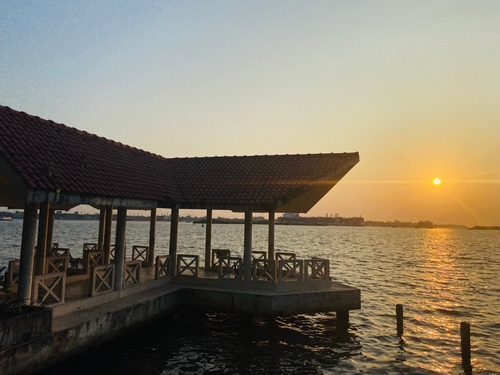
Kochi is India’s most trending international destination in 2026. This is not a marketing claim, it is the finding of travel search data across European...
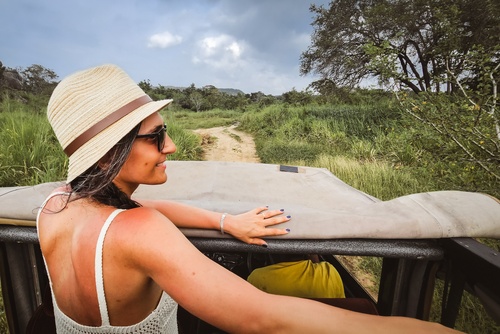
Thailand has been the default Asian destination for Western travellers for three decades. It is familiar, efficient, beautiful, and well-understood. The beaches are excellent. The...
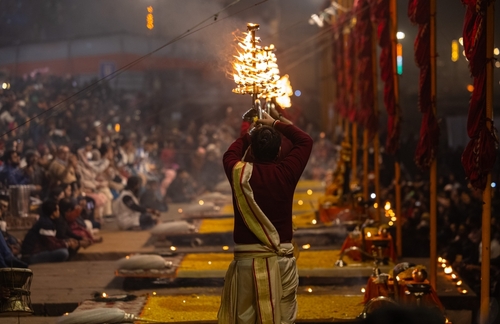
There is no city in the world like Varanasi. Not in Asia. Not anywhere. Varanasi is the oldest continuously inhabited city on earth, possibly 3,000...
You are one step closer to having the best journey of your lifetime! Talk to us, write to us all that you have envisioned for your India trip, and one of our travel experts will connect with you on priority. To help you explicitly we have WhatsApp and Email addresses!


