


Experiential Travel in India: Beyond Sightseeing for International Tourists (2026)
India’s most extraordinary travel experiences are not in its monuments. They are in a weaver’s workshop in Varanasi where a Banarasi silk sari takes three...


 18884507235

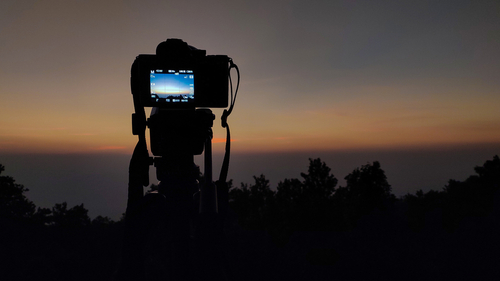
Few countries offer as much visual richness as India. Vibrant markets, dramatic architecture, ancient rituals, and expressive faces make it a genuine dream destination for photographers of every skill level. But India’s visual intensity also comes with real responsibility, since much of what makes a compelling photograph here involves real people, sacred spaces, and cultural practices that deserve to be approached with care. This guide covers both the best photography spots across the country and the etiquette needed to photograph India respectfully in 2026.
Few places in the world offer the same density of visual storytelling as Varanasi’s riverfront. The early morning light along the ghats, combined with bathers, boats, and the smoke of ritual fires, creates extraordinary photographic opportunities. The evening Ganga aarti at Dashashwamedh Ghat, with its fire lamps and reflections on the water, is one of India’s most photographed rituals for good reason.
Best time: Sunrise, for the softest light and the most active riverside rituals.
The Pink City offers striking architectural photography, from the honeycomb façade of Hawa Mahal to the geometric precision of Jantar Mantar. Amber Fort’s layered courtyards and City Palace’s vibrant doorways also provide excellent compositions, particularly in the golden hour light of late afternoon.
The golden sandstone architecture of Jaisalmer Fort, combined with the surrounding desert dunes, offers a completely different color palette and texture compared to the rest of Rajasthan. Camel safaris at sunset in the Sam Sand Dunes are a classic, though increasingly popular, photography opportunity.
The green, reflective calm of Kerala’s canals and lagoons offers a peaceful contrast to India’s more chaotic urban scenes. Houseboats, coconut palms, and traditional Chinese fishing nets in Kochi all make for compelling, softer toned images.
With its stark mountain landscapes, ancient monasteries, and deep blue skies, Ladakh offers some of India’s most dramatic landscape photography, particularly around Pangong Lake and the monasteries of Thiksey and Hemis.
The boulder strewn landscape of Hampi, dotted with ancient temple ruins, offers a genuinely unique setting unlike anywhere else in India. Sunrise and sunset here transform the granite boulders into a warm, almost otherworldly palette.
States like Meghalaya, with its living root bridges, and Nagaland, known for the Hornbill Festival’s vivid traditional dress, offer rich, less photographed cultural and landscape opportunities for travelers willing to venture further off the main circuit.
For urban and street photography, Mumbai offers an unmatched density of visual stories, from the colonial architecture around CST station to the vibrant chaos of Dharavi’s markets and Marine Drive’s evening light.
This is the single most important rule of respectful photography in India. A simple gesture, holding up your camera with a questioning look, or a polite verbal request, goes a long way. Most people, especially in rural areas, are happy to be photographed once asked, and many will appreciate the courtesy of being asked at all.
Photography rules vary significantly by site. Some temples prohibit cameras entirely inside the main sanctum, while others are relaxed about photography in outer courtyards. Look for posted signage, and when in doubt, ask a temple staff member or priest.
Cremation ghats, particularly in Varanasi, deserve special sensitivity. Photographing funeral rituals without explicit permission is considered deeply disrespectful, and in many cases is simply not appropriate at all, regardless of permission. This is a working religious site for grieving families, not a photo opportunity, and this boundary should be respected without exception.
Certain government buildings, military areas, airports, and some religious or tribal areas prohibit photography entirely for security or cultural preservation reasons. Always respect these restrictions, even if enforcement seems inconsistent.
India’s visual diversity includes scenes of poverty that can feel photographically compelling but require serious ethical reflection. Ask yourself whether a photograph serves genuine storytelling or simply reduces a person’s hardship to an aesthetic backdrop for your portfolio. If you do photograph such scenes, do so with the same permission and respect you’d extend to anyone else, and consider how the image will be used and shared.
Certain regions, including parts of the Andaman Islands and some northeastern states, are home to indigenous communities with specific protections around photography and even physical access. Always research local regulations before traveling to these areas, and never photograph individuals without clear, informed consent.
Keep your setup manageable. India’s crowded markets, uneven terrain, and frequent security checks make a large, heavy camera bag cumbersome. A single versatile zoom lens, such as a 24-70mm equivalent, covers most travel photography needs without requiring constant lens changes.
Bring a lightweight tripod for low light temple interiors, night photography in cities, and long exposure shots of moving water in places like Kerala’s backwaters, though note that tripods are often restricted inside monuments and religious sites.
Protect your gear from dust. India’s dry, dusty conditions, particularly in Rajasthan and during the pre-monsoon months, can be tough on camera equipment. A simple rain cover or dry bag helps protect your gear during dusty market visits or monsoon downpours.
Golden hour is your best friend. The soft, warm light shortly after sunrise and before sunset dramatically improves architectural and portrait photography, particularly at dusty, hazy locations like Jaisalmer or Varanasi, where harsh midday light can flatten your images.
Embrace midday shadows for street photography. While golden hour suits landscapes and portraits, the strong contrast of midday sun can actually enhance street photography in crowded markets, creating dramatic light and shadow patterns.
Expect security checks at monuments. Large bags, tripods, and even certain camera types may require additional screening or separate entry queues at major sites like the Taj Mahal, so build extra time into your schedule.
Carry printed or digital backup of your gear list if traveling with expensive equipment, since some airports and monuments may ask for documentation, particularly for professional grade gear or drones.
Research drone regulations carefully. India has strict rules governing drone photography, requiring registration and permits in most cases, with many sensitive areas, including near airports, government buildings, and international borders, completely off limits. Always check current regulations before packing a drone for an India trip.
The most memorable travel photographs from India tend to come not from rushing to capture a scene, but from spending enough time in a place to understand it, build rapport with locals, and photograph with genuine respect rather than extraction. Consider slowing down at each location, engaging in conversation before raising your camera, and thinking of your photographs as a form of storytelling that honors the people and places you’re documenting.
India offers photographers an extraordinary range of color, texture, ritual, and human expression, but capturing it respectfully requires more than technical skill. Asking permission, understanding religious and cultural boundaries, and approaching every scene with curiosity rather than entitlement will not only produce better, more meaningful images, it will also ensure your presence as a photographer leaves a positive impression on the people and places you encounter along the way.
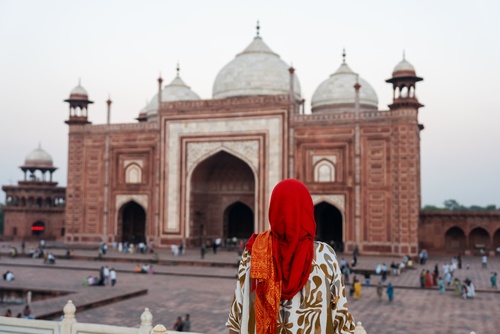
India’s most extraordinary travel experiences are not in its monuments. They are in a weaver’s workshop in Varanasi where a Banarasi silk sari takes three...
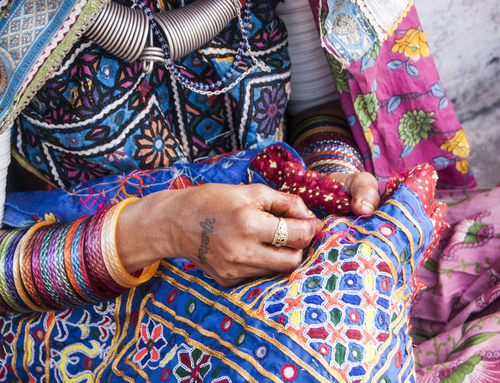
India has more distinct textile and craft traditions than any other country on earth. This is not an approximation. The combination of 28 states, dozens...
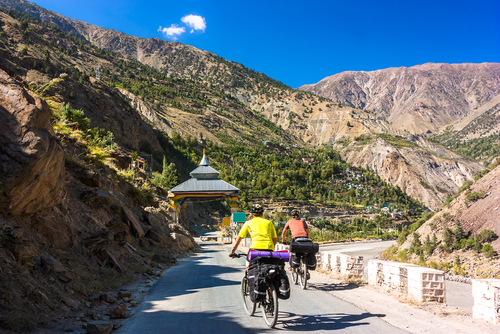
India bookings among adventure travellers surged 214% in the past year. Cycling is at the heart of that surge. International cyclists are discovering that India...
You are one step closer to having the best journey of your lifetime! Talk to us, write to us all that you have envisioned for your India trip, and one of our travel experts will connect with you on priority. To help you explicitly we have WhatsApp and Email addresses!


