


Experiential Travel in India: Beyond Sightseeing for International Tourists (2026)
India’s most extraordinary travel experiences are not in its monuments. They are in a weaver’s workshop in Varanasi where a Banarasi silk sari takes three...


 18884507235

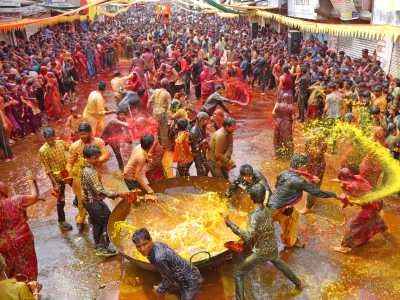
India doesn’t just celebrate festivals, it transforms around them. Streets change color, cities fill with music, temples stay lit through the night, and entire regions shift their rhythm to mark the occasion. For travelers, this means timing a trip around the right festival can turn an ordinary itinerary into something unforgettable. Here’s a month-by-month look at India’s 2026 festival calendar, and which celebrations are worth building your travel plans around.
The year kicks off with a cluster of harvest festivals that showcase India’s agrarian roots.
Lohri (January 13) is celebrated with bonfires, folk songs, and feasting across Punjab and Haryana. If you’re in North India in mid-January, joining a local Lohri gathering offers a warm, community-driven introduction to Punjabi culture.
Makar Sankranti and Pongal (January 14) mark the sun’s transition and the harvest season. In Gujarat, Makar Sankranti is synonymous with kite-flying festivals, especially in Ahmedabad, where the sky fills with thousands of colorful kites. In Tamil Nadu, Pongal is a four-day celebration involving rituals, decorated cattle, and the traditional dish that gives the festival its name.
Republic Day (January 26) brings the grand Republic Day Parade in Delhi, a display of military precision, cultural floats, and national pride worth experiencing at least once.
Maha Shivratri (February 15) is one of the most spiritually intense nights on the Hindu calendar, dedicated to Lord Shiva. Devotees fast and stay awake through the night, visiting Shiva temples for prahar pujas. Varanasi, Ujjain, and Haridwar are among the best places to witness the scale of devotion, with temples like Kashi Vishwanath drawing enormous crowds.
Holika Dahan (March 3) and Holi (March 4) need little introduction. The festival of colors is celebrated with particular intensity in Mathura, Vrindavan, and Barsana, where the days-long Holi celebrations include the famous Lathmar Holi. If you’re traveling to North India in early March, this is arguably the single best festival to plan around, just be prepared for crowds, closed shops on the main day, and colored powder on absolutely everything.
Ugadi (March 19) marks the Hindu New Year in the southern states of Andhra Pradesh, Karnataka, and Telangana, observed with temple visits and the preparation of Ugadi pachadi, a dish symbolizing life’s mixed flavors.
Eid-ul-Fitr (around March 21, subject to moon sighting) marks the end of Ramadan and is celebrated with prayers, feasts, and family gatherings, particularly vibrant in cities like Hyderabad, Lucknow, and Delhi’s old quarters.
Baisakhi (April 13-14) celebrates the Punjabi harvest and the founding of the Khalsa, marked by energetic Bhangra and Gidda performances, especially around Amritsar’s Golden Temple.
Akshaya Tritiya (April 21) is considered an auspicious day for new beginnings, gold purchases, and temple visits across the country.
This stretch brings some of India’s most visually striking celebrations.
Rath Yatra in Puri, Odisha, sees massive wooden chariots carrying deities pulled through the streets by thousands of devotees, a spectacle unlike anything else in the country.
Onam (August 26) transforms Kerala with intricate flower rangolis (pookalam), snake boat races, and the elaborate Onam Sadhya feast. This is one of the best times to visit Kerala, particularly Alleppey and Kochi, for the backwater boat races.
Raksha Bandhan (August 28) celebrates the bond between siblings and is observed nationwide, though it’s less of a travel-driving festival and more a family occasion.
Krishna Janmashtami (September 4) is celebrated with particular fervor in Mathura and Vrindavan, Krishna’s birthplace, with midnight celebrations, dahi handi events in Mumbai, and elaborately decorated temples.
Ganesh Chaturthi (September 14) dominates Mumbai and Pune, where massive Ganesh idols are installed in homes and public pandals before being immersed in the sea in a dramatic, city-wide procession. Visiting Mumbai during this ten-day festival offers an unmatched view of devotion mixed with street celebration.
October is arguably India’s richest festival month.
Sharad Navratri (October 11-19) is celebrated differently across the country — Gujarat comes alive with Garba and Dandiya Raas nights, while Kolkata’s Durga Puja transforms the city with elaborate pandals and artistic idol displays that rival museum exhibitions.
Dussehra (October 20) marks the end of Navratri with the burning of Ravana effigies, celebrated on a massive scale in places like Kullu, where a week-long Dussehra festival draws deities from across the Kullu Valley in a unique procession.
Diwali (November 6-10) is the crown jewel of India’s festival calendar. The five-day celebration runs from Dhanteras (November 6) through Naraka Chaturdashi (November 7), Lakshmi Puja (November 8), Govardhan Puja (November 9), and Bhai Dooj (November 10). Varanasi and Ayodhya are especially magical during this period, with thousands of diyas lining the ghats. Jaipur’s markets and havelis are illuminated beautifully, making the Pink City another top choice for experiencing Diwali.
Dev Deepavali (November 24), celebrated fifteen days after Diwali, is unique to Varanasi. The ghats along the Ganges are lit with lakhs of oil lamps, creating one of the most breathtaking sights in Indian travel — arguably even more photogenic than Diwali itself.
Chhath Puja, observed intensely in Bihar, Jharkhand, and parts of Uttar Pradesh, involves devotees standing in rivers at sunrise and sunset to offer prayers to the Sun God, an experience that offers a quieter, more devotional counterpart to the fireworks of Diwali.
Christmas (December 25) is celebrated with particular warmth in Goa, Kerala, and Northeast India, where Portuguese and colonial influences have shaped distinct local traditions — from Goa’s Midnight Mass and beach parties to Kerala’s understated church celebrations.
India’s festival calendar isn’t just a list of dates — it’s a map of the country’s cultural diversity. Whether you’re chasing the color of Holi, the devotion of Dev Deepavali, or the spectacle of Durga Puja, timing your 2026 trip around one of these celebrations will give you a far richer, more immersive experience than visiting during an ordinary week. Pick the festival that resonates most with you, and build the rest of your itinerary around it.
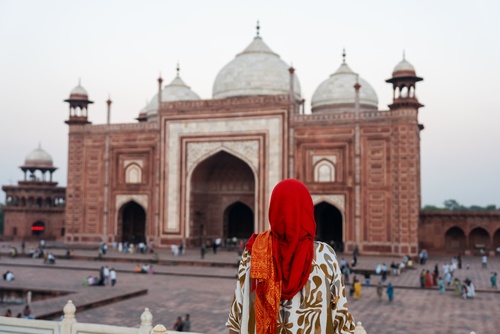
India’s most extraordinary travel experiences are not in its monuments. They are in a weaver’s workshop in Varanasi where a Banarasi silk sari takes three...
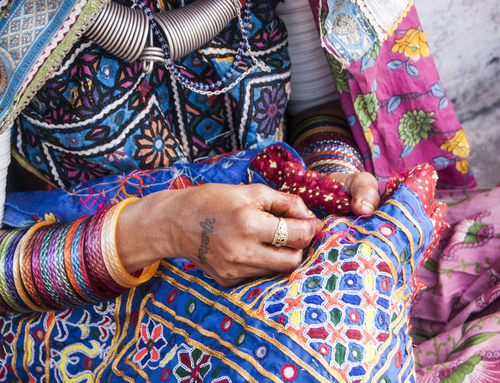
India has more distinct textile and craft traditions than any other country on earth. This is not an approximation. The combination of 28 states, dozens...
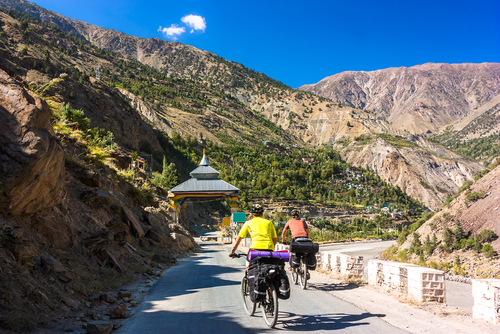
India bookings among adventure travellers surged 214% in the past year. Cycling is at the heart of that surge. International cyclists are discovering that India...
You are one step closer to having the best journey of your lifetime! Talk to us, write to us all that you have envisioned for your India trip, and one of our travel experts will connect with you on priority. To help you explicitly we have WhatsApp and Email addresses!


