


Kochi Travel Guide for International Tourists: Kerala’s Most Extraordinary City (2026)
Kochi is India’s most trending international destination in 2026. This is not a marketing claim, it is the finding of travel search data across European...


 18884507235


India is one of the world’s finest family travel destinations, and one of the most underrated.
International families who choose India consistently report the same thing: it exceeds their expectations in every way that matters for travelling with children. The wildlife is extraordinary. The cultural experiences are genuinely engaging for kids. The food is more adaptable than feared. And the warmth that Indian people show toward children, particularly young children, creates a travel environment of unusual generosity and ease.
However, India with children requires specific planning. The distances, the heat, the pace, and the infrastructure variability all need to be managed thoughtfully. This complete 2026 guide covers everything international families need to know.
Several characteristics make India particularly rewarding for family travel.
Children are genuinely welcomed. India’s cultural attitude toward children is one of the most welcoming in the world. Strangers will engage with your children, offer sweets, take photographs with them, and generally treat their presence as a source of delight rather than inconvenience. For families travelling with young children, this creates an environment of warmth that many Western destinations simply do not provide.
The experiences engage children genuinely. A tiger sighting from a jeep at dawn. An elephant encountered on a forest road. A houseboat drifting through Kerala’s backwaters. A camel safari across Rajasthan’s dunes at sunset. These are not experiences that require adult sophistication to appreciate, they are extraordinary for everyone in the family simultaneously.
The value is exceptional. A family of four travelling India at a genuine luxury level, private vehicle, heritage hotels, specialist guides, wildlife safaris, can do so at a cost significantly lower than equivalent luxury family travel in Europe or Southeast Asia.
Rajasthan is India’s finest family travel destination for international visitors. Its primary experiences, fort visits, camel safaris, elephant encounters, cultural performances, and heritage hotel stays, engage children across age groups in ways that conventional monument tourism rarely does.
Family highlights in Rajasthan:
Amber Fort, Jaipur – the elephant ride to the fort entrance is a child’s dream. The fort itself, with its mirror palace, secret passages, and maze-like corridors, is genuinely adventurous to explore. Children who find conventional historical sites dull consistently enjoy Amber Fort.
Camel safari near Jaisalmer – an overnight desert camp with camel riding, campfire cooking, and sleeping under the stars produces one of the most memorable family experiences available anywhere in India. The finest luxury desert camps cater specifically to families with dedicated children’s activities.
Ranthambore National Park – a tiger safari from a jeep, with an expert naturalist guide who engages children in wildlife tracking, is one of the finest family wildlife experiences in Asia. Ranthambore’s relatively accessible terrain and high tiger sighting rates make it the most practical choice for families.
Puppet shows and folk performances – Rajasthan’s tradition of folk performance, Kacchi Ghodi dance, Kalbeliya snake charmer dance, Bhopa storytelling, is genuinely entertaining for children and completely accessible without cultural pre-knowledge.
Heritage hotel stays – the palace hotels of Rajasthan engage children in a way that no standard hotel can. The Taj Rambagh Palace in Jaipur and the Umaid Bhawan in Jodhpur both have dedicated family facilities and children’s programmes.
Kerala delivers family experiences of extraordinary variety, backwater houseboats, elephant encounters, spice gardens, and wildlife reserves, in a landscape that is green, beautiful, and gentle enough for children of all ages.
Family highlights in Kerala:
Kerala backwaters by houseboat – children universally love the houseboat experience. The novelty of sleeping on water, watching life along the banks, and spotting birds, otters, and fishing boats from the sun deck produces a quality of engagement that monument visits rarely match.
Periyar Wildlife Sanctuary – the boat safari on Periyar Lake, watching elephants come to the water’s edge in the early morning, is one of India’s finest family wildlife experiences. The boat keeps children safe while delivering genuine wildlife proximity.
Elephant interaction experiences – several responsible elephant sanctuaries in Kerala offer supervised interaction experiences for families. Children can feed, bathe, and learn about elephants in a setting that prioritises animal welfare alongside visitor engagement.
Spice garden visits – a guided walk through a working spice plantation in Thekkady or Munnar, smelling fresh cardamom, black pepper, cinnamon, and nutmeg on the plant, is a sensory education experience that children genuinely enjoy and consistently remember.
Goa is India’s most family-friendly beach destination. The infrastructure is excellent. The beaches are beautiful. The food is varied and internationally familiar alongside genuinely local options. And the Portuguese-heritage old town of Panjim provides cultural interest without overwhelming intensity.
Family highlights in Goa:
South Goa beaches – Palolem and Agonda in South Goa are the most family-friendly beaches in India, calm water, clean sand, and a relaxed atmosphere that suits families with younger children particularly well.
Water sports – banana boat rides, kayaking, and paddleboarding are available on most Goa beaches and are among the most popular family activities.
Old Goa’s churches – the Basilica of Bom Jesus and the Se Cathedral are genuinely impressive even for children who have no specific interest in religious architecture. The scale and the age of the buildings, 400 years old, still standing in the tropical heat, is tangibly impressive.
Spice farm visits – half-day visits to working spice farms in Goa’s interior, including elephant encounters and traditional Goan lunch, are among the most popular family excursions and suitable for all age groups.
The Golden Triangle; Delhi, Agra, Jaipur, is the most practical family introduction to India for international visitors. The infrastructure is excellent. The monuments are accessible. And the combination of the Taj Mahal, Amber Fort, and Delhi’s Red Fort provides cultural experiences that engage children in different ways.
Family approach to the Golden Triangle:
India with very young children is entirely manageable with the right preparation.
What works well: Luxury hotels with excellent room service and baby facilities. Private vehicle travel that allows feeding and napping on schedule. Kerala’s gentle houseboat experience. Goa’s beach resorts.
What to avoid: Long driving days exceeding 3 hours. Extreme heat during April–June. Very crowded sites like Varanasi’s ghats with pushchairs or carriers. High-altitude destinations.
Essential preparation: Carry sufficient nappies and formula from your home country, specific brands may not be available in India. Pack a portable medical kit including infant paracetamol, oral rehydration salts, and any prescription medications.
This age group is ideal for India travel. They are old enough to engage with wildlife and cultural experiences but young enough to find genuine wonder in everything.
Best experiences for this age group: Tiger and wildlife safaris. Camel rides and desert camps. Elephant encounters. Houseboat stays. Cooking classes. Puppet shows and folk performances. Fort exploration.
Practical tip: Build one completely unstructured activity into every day, a hotel swimming pool, a beach, a garden where children can simply run. India’s intensity requires decompression time for children as much as for adults.
Older children and teenagers consistently report India as one of the most extraordinary travel experiences of their lives, when the itinerary engages their specific interests.
Best experiences for teenagers: Wildlife photography on safari. White-water rafting in Rishikesh. Cooking classes in Jaipur or Kochi. Street photography walks in Old Delhi or Varanasi. Trekking in the Himalayan foothills. Cultural immersion experiences, craft workshops, music sessions, cooking with local families.
Engagement tip: Involve teenagers in the planning process. India’s diversity means that every interest, food, wildlife, history, adventure, photography, music, has an extraordinary version available somewhere in the country.
Water: Bottled water only, for every member of the family including children. Never tap water, ice in drinks, or raw salads prepared with tap water.
Food: Freshly cooked food at reputable restaurants is generally safe. Avoid raw street food for young children in the first few days while digestive systems adjust. Carry oral rehydration sachets, child-specific formulations are available at Indian pharmacies.
Managing spice levels: Indian food is genuinely spicy in most regional traditions. Most good restaurants catering to international families will prepare milder versions on request, ask explicitly and clearly.
Ensure all standard childhood vaccinations are current before travelling to India. Additional vaccinations recommended for family India travel include Hepatitis A, Typhoid, and Tetanus. Consult a travel health clinic 6–8 weeks before departure. Carry all vaccination records.
India’s sun is intense throughout the year. Children are particularly vulnerable.
India’s major cities have excellent private hospitals. Delhi, Mumbai, Chennai, Bengaluru, and Kochi all have JCI-accredited facilities capable of managing medical emergencies. Carry comprehensive family travel insurance with medical evacuation coverage, essential for family India travel.
Private vehicle throughout. A private air-conditioned vehicle with an experienced driver is non-negotiable for comfortable family travel in India. It provides flexibility for nap schedules, feeding stops, and spontaneous itinerary changes that public transport cannot accommodate.
Book connecting rooms or suites. Always request connecting rooms or family suites when booking hotels. Confirm availability before booking, not all heritage hotels have connecting rooms.
Hire a specialist guide at every major site. A good guide who knows how to engage children, storytelling, interactive explanations, treasure hunt-style exploration, transforms every monument visit. Brief your guide before the visit about your children’s ages and interests.
Pack a family first aid kit. Include children’s paracetamol and ibuprofen, antihistamine, antiseptic cream, bandages, oral rehydration sachets, antidiarrhoeals, sunscreen, and insect repellent. Specific children’s brands may not be available in all areas.
Choose your season carefully. October to March is the most comfortable season for family travel across most of India. Avoid April to June with young children, the heat is genuinely dangerous for small children. July to September brings the monsoon, manageable in Kerala and Goa but challenging for monument-focused itineraries.
Is India safe for international families with children?
Yes, with appropriate planning. India’s major tourist destinations are safe for international families. Use a reputable operator with private vehicle transport, stay in established hotels, follow standard food and water safety protocols, and carry comprehensive family travel insurance.
What is the best age for children to visit India?
There is no single best age, India works well for children across all ages with the right itinerary. The 5–14 age range tends to produce the most engaged and most enthusiastic young travellers. Teenagers consistently rate India as one of their most extraordinary travel experiences when the itinerary reflects their interests.
How do I manage food for picky eaters in India?
Most luxury hotels in India offer international menus alongside Indian food. Additionally, India’s own culinary variety means that mild options, dal and rice, naan bread, plain grilled chicken, are available everywhere. Brief your operator about dietary requirements and they will ensure suitable options at every meal.
What is the best family-friendly wildlife experience in India?
Ranthambore National Park in Rajasthan for tiger safaris. Periyar Wildlife Sanctuary in Kerala for elephant and wildlife boat safaris. Kaziranga National Park in Assam for rhinoceros and elephant encounters. All three offer jeep or boat-based wildlife viewing that is safe and accessible for children of all ages.
How long should a family India trip be?
A minimum of 10 days for a meaningful family India experience. 14 days is recommended for most international families, enough time to cover two regions properly without rushing. Build rest days into every itinerary, children and parents need recovery time in India’s climate and intensity.
Family travel in India requires thoughtful planning, age-appropriate experiences, and an operator who understands the specific needs of international families travelling with children. At GeTS Holidays, we build bespoke family itineraries across India, combining wildlife safaris, heritage experiences, beach holidays, and cultural immersion in journeys designed around every member of the family. Begin at [www.getsholidays.com].
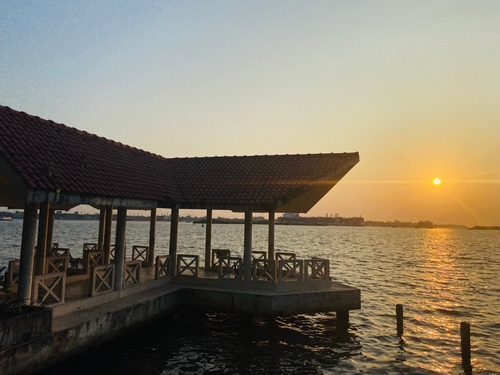
Kochi is India’s most trending international destination in 2026. This is not a marketing claim, it is the finding of travel search data across European...
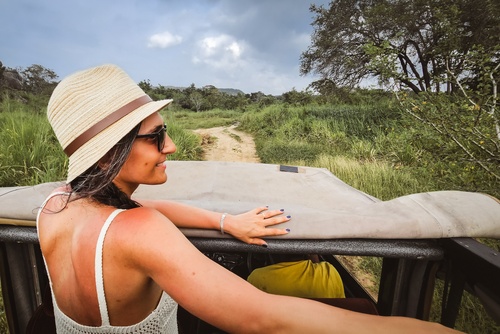
Thailand has been the default Asian destination for Western travellers for three decades. It is familiar, efficient, beautiful, and well-understood. The beaches are excellent. The...
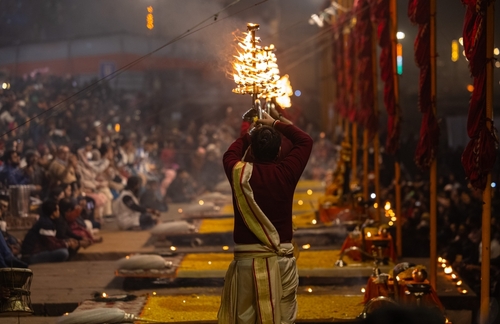
There is no city in the world like Varanasi. Not in Asia. Not anywhere. Varanasi is the oldest continuously inhabited city on earth, possibly 3,000...
You are one step closer to having the best journey of your lifetime! Talk to us, write to us all that you have envisioned for your India trip, and one of our travel experts will connect with you on priority. To help you explicitly we have WhatsApp and Email addresses!


