


Experiential Travel in India: Beyond Sightseeing for International Tourists (2026)
India’s most extraordinary travel experiences are not in its monuments. They are in a weaver’s workshop in Varanasi where a Banarasi silk sari takes three...


 18884507235

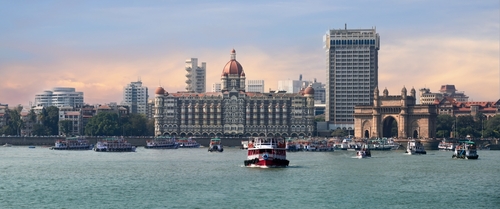
Planning a luxury trip to India is unlike planning a luxury trip anywhere else.
India is not a destination where five-star hotels and private transfers automatically produce a great experience. The country is too complex, too vast, and too layered for that. A luxury India trip requires knowledge of the right season, the right properties, the right guides, and the right sequence of experiences.
Done correctly, a luxury India trip delivers something no other destination can match. Private access to a 400-year-old palace. A tiger sighting from an open jeep at dawn. An Ayurvedic consultation with a physician whose family has practised medicine for 12 generations. Dinner on a rooftop in Udaipur with Lake Pichola below and the City Palace illuminated behind it.
This guide covers everything international travellers need to know to plan a luxury India trip that exceeds every expectation.
Luxury in India is different from luxury anywhere else. Understanding this difference is the starting point for planning a great trip.
In Europe or Southeast Asia, luxury is primarily about the hotel. The room, the amenities, the service standard, the restaurant, these are what define the experience.
In India, luxury is about access. It is about what you can see, do, and experience that ordinary visitors cannot. Consider the following examples:
These experiences exist. They are not manufactured for tourists. They require relationships, knowledge, and the right operator to access.
Furthermore, India’s exchange rate means that genuine luxury, the finest palace hotels, the best naturalist guides, the most experienced Ayurvedic physicians, costs significantly less than equivalent experiences in Europe or North America. A night at one of Rajasthan’s finest palace hotels costs less than a standard room at a London five-star. A week-long Ayurvedic retreat in Kerala costs less than a weekend spa break in Switzerland.
This combination, extraordinary experiences at extraordinary value, is what makes luxury travel in India unlike anything else available in the world.
Timing matters more in India than in almost any other destination. The country has distinct regional seasons, and getting the timing right makes a significant difference to the quality of the experience.
October to March is the best overall window for most of India. Temperatures are comfortable across the north and south. The skies are clear. The wildlife is most active as animals gather around shrinking water sources. The festival calendar, Diwali in October or November, Pushkar Camel Fair in November, Christmas and New Year in Goa, is at its richest.
Best for: Rajasthan, Kerala, Goa, the Golden Triangle, wildlife safaris, and first-time visitors to India.
The plains of India become very hot between April and June. However, the Himalayan destinations, Ladakh, Kashmir, Himachal Pradesh, open up as the mountain passes clear of snow. This is the finest season for Ladakh and Kashmir, and it coincides with the spring blooming season in the Kashmir Valley.
Best for: Ladakh, Kashmir, Spiti Valley, Himalayan trekking.
The monsoon transforms India’s landscape dramatically. Rajasthan turns unexpectedly green. Kerala’s backwaters fill to their full extent. The waterfalls of the Western Ghats reach their most spectacular. Additionally, the monsoon is the ideal season for Ayurvedic Panchakarma retreats in Kerala, the humidity opens the body’s pores and makes treatment more effective.
Best for: Kerala Ayurveda, Rajasthan off-season, Northeast India, Monsoon palace hotels at reduced rates.
Never try to cover all of India in one trip regardless of the season. Pick one region. Go deep. Return for the rest.
India has dozens of destinations worth visiting. For a first luxury trip, these are the regions that consistently deliver the highest quality experience.
Rajasthan is India’s finest luxury destination for first-time international visitors. It combines:
Key cities: Jaipur, Udaipur, Jodhpur, Jaisalmer. Each is distinct. Each deserves at least two nights.
Kerala is India’s finest wellness and nature destination. It offers:
Key destinations: Kochi, Alleppey backwaters, Munnar, Varkala, Thekkady.
Ladakh is India’s most dramatic landscape destination. It delivers:
Key destinations: Leh, Nubra Valley, Pangong Lake, Hemis Monastery.
The Golden Triangle, Delhi, Agra, Jaipur, remains the finest introduction to north India’s Mughal and Rajput heritage. It combines:
Best approach: Cover it slowly, 3 nights minimum in each city, rather than rushing between the three in five days.
Varanasi is India’s most spiritually powerful destination. It offers:
Recommended stay: 3 nights minimum. The city reveals itself slowly.
Accommodation in India’s luxury tier divides into three distinct categories. Each offers a different experience.
These are the converted royal residences and merchant havelis that define luxury accommodation in Rajasthan and beyond. They offer something that no purpose-built luxury hotel can provide, the irreplaceable quality of sleeping inside a building where history actually happened.
The finest palace hotels in India:
Booking tip: Always request specific rooms when booking heritage properties. Lake-facing rooms at the Lake Palace. Fort-facing rooms at RAAS. The difference between a good room and an extraordinary room at a palace hotel is significant.
India’s wildlife destinations have developed a luxury lodge and tented camp sector of genuine quality over the past decade. The finest properties combine exceptional wildlife access with accommodation that makes no compromise on comfort.
The finest luxury wildlife properties:
Kerala’s Ayurvedic retreat sector has matured significantly. The finest centres offer physician-led treatment programmes of genuine therapeutic value combined with accommodation of luxury standard.
The finest Ayurvedic retreats for international visitors:
Getting between destinations is where many luxury India trips fall short. The right transport choices make an enormous difference to the overall experience.
A private vehicle with an experienced driver is the foundation of a luxury India itinerary. It provides:
What to specify: Request a vehicle appropriate to the terrain, a luxury SUV for mountain destinations like Ladakh and Kashmir, a comfortable sedan for city and highway travel. Specify air conditioning. Request a driver with English language ability and knowledge of the specific region you are visiting.
India’s domestic flight network is excellent and affordable. Flying between major cities, Delhi to Udaipur, Mumbai to Kochi, Delhi to Leh, saves significant time without compromising comfort.
Key routes for luxury itineraries:
Booking tip: Book domestic flights 3–4 weeks in advance for the best availability. Book Leh flights as early as possible, they fill quickly during peak season.
India’s luxury trains offer a travel experience that no flight or road journey can replicate. The finest options for international visitors:
Booking tip: Luxury train berths sell out 6–12 months in advance for peak season departures. Book as early as possible.
For itineraries covering multiple remote destinations, private helicopter transfers and charter flights eliminate the time cost of road travel without sacrificing the flexibility of a private itinerary.
A luxury India trip should include deliberate, researched eating, not just meals at hotel restaurants, however good those restaurants may be.
The finest culinary experiences in India are not in restaurants. They are in private homes, palace kitchens, and community settings that require relationships to access.
The finest street food in India is inaccessible without local knowledge. A guided street food walk in the right hands, with a guide who knows which stall has been perfecting a single dish for 40 years, is among the most memorable culinary experiences the country offers.
Several of India’s finest heritage properties offer cooking experiences in their palace kitchens, learning to make royal Rajasthani recipes from chefs whose families have cooked for the same household for generations. These experiences are available on request and are rarely advertised.
Beyond accommodation and transport, these are the experiences that define a luxury India trip.
Several of India’s most significant monuments offer private or early access for small groups. These include:
A luxury wildlife safari in India means:
A properly structured Ayurvedic programme, with an initial physician consultation, a prescribed treatment protocol, and a minimum of seven days, is one of the most distinctive and most valuable experiences available in India. It cannot be replicated anywhere else in the world at this level of authenticity.
The finest luxury operators provide access to cultural experiences that money alone cannot buy:
The honest answer is longer than you think.
10 days: The absolute minimum for a meaningful luxury India experience. Covers one region properly, either Rajasthan or Kerala, without feeling rushed.
14 days: The recommended length for a first luxury India trip. Covers two regions, typically Rajasthan and Kerala, or the Golden Triangle and Goa, with enough time in each to go beyond the surface.
21 days: The ideal length. Three regions covered properly. Time to slow down, revisit a favourite place, and allow India to surprise you.
The single most important rule: Do not try to cover too much. A 14-day trip that covers Rajasthan deeply is significantly more rewarding than a 14-day trip that rushes through six states. India rewards depth over breadth consistently and without exception.
India delivers exceptional value at the luxury level. However, costs vary significantly depending on accommodation choices, transport, and the level of exclusivity required.
Mid-range luxury (palace hotels, private vehicle, good restaurants):
$400–600 USD per person per day
High-end luxury (finest palace hotels, luxury tented camps, private experiences):
$700–1,200 USD per person per day
Ultra-luxury (Amankora-level accommodation, private aircraft, exclusive access):
$1,500–3,000 USD per person per day
What these figures include:
What these figures exclude:
The value context: The mid-range luxury figure for India, $400–600 per person per day , buys a standard room at a good hotel in London or New York with no additional experiences included. In India, the same budget delivers a palace hotel suite, a private vehicle and driver, specialist guides, and extraordinary meals.
This is the most important practical decision in planning a luxury India trip.
India is not a destination where booking components independently, hotels on one platform, flights on another, experiences through a third, produces a great result. The country is too complex and the quality gap between operators too significant.
A specialist luxury India operator provides:
Furthermore, a specialist operator costs less than most international travellers expect. The rates negotiated through established operator relationships are typically better than public booking rates. The value of what is included, the private access, the specialist guides, the curated experiences, significantly exceeds what independent booking produces.
At GeTS Holidays, we have been building luxury inbound itineraries across India, Bhutan, Nepal, and Sri Lanka for international travellers for years. Every itinerary we build begins with a conversation about what you are actually looking for, not a standard circuit with your name on it, but a journey designed around your specific interests, your travel style, and the experiences that will matter most to you.
What is the best first luxury destination in India?
Rajasthan is the most consistently recommended starting point. It combines heritage palace hotels, iconic monuments, dramatic landscapes, and a cultural richness that delivers an immediate and powerful sense of India. Udaipur specifically, with the Lake Palace, the City Palace, and the surrounding Aravalli hills, is the single finest introduction to Indian luxury travel.
Is India safe for luxury international travellers?
Yes. India’s major tourist destinations are safe for international visitors. Standard urban precautions apply in large cities. Using a reputable operator with on-ground support eliminates the majority of complications that independent travellers occasionally encounter.
Do I need vaccinations for a luxury India trip?
Yes. Hepatitis A and B, Typhoid, and Tetanus are recommended regardless of your accommodation level. Consult a travel health clinic 6–8 weeks before departure. Malaria prophylaxis may be recommended for certain regions, particularly Kerala’s forested areas and wildlife reserves.
Can I extend a luxury India trip into Bhutan or Nepal?
Yes, and the combination is highly recommended. Bhutan works exceptionally well as a 5–7 day extension to a Rajasthan or Kerala itinerary. Nepal adds Himalayan trekking and Kathmandu’s extraordinary cultural heritage. Sri Lanka extends the trip into a completely different island environment. GeTS Holidays builds combined itineraries across all four destinations.
How far in advance should I book a luxury India trip?
For peak season travel (October–February), book 4–6 months in advance. The finest palace hotels, Taj Lake Palace, Umaid Bhawan, Samode, fill 6–12 months ahead. Luxury train departures sell out equally far in advance. For shoulder season travel, 8–10 weeks is generally sufficient.
What should I pack for a luxury India trip?
Light, breathable natural fabrics, cotton and linen, for the days. A smart layer for air-conditioned restaurants and evening dining. Modest clothing for temple visits, knees and shoulders covered. Comfortable walking shoes for monument visits. Sunscreen SPF 50+ throughout the year. A universal power adaptor; India uses Type C, D, and M plugs.
A luxury India trip planned well is one of the finest travel experiences available anywhere in the world. Planned poorly, it is a frustrating exercise in missed opportunities and logistical complications. At GeTS Holidays, we ensure the former, building bespoke luxury journeys across India, Bhutan, Nepal, and Sri Lanka that are designed around what each traveller is genuinely looking for. The conversation starts at [www.getsholidays.com].
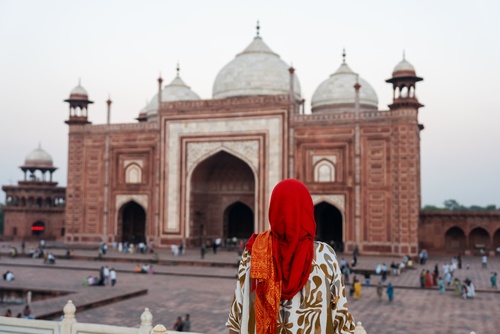
India’s most extraordinary travel experiences are not in its monuments. They are in a weaver’s workshop in Varanasi where a Banarasi silk sari takes three...
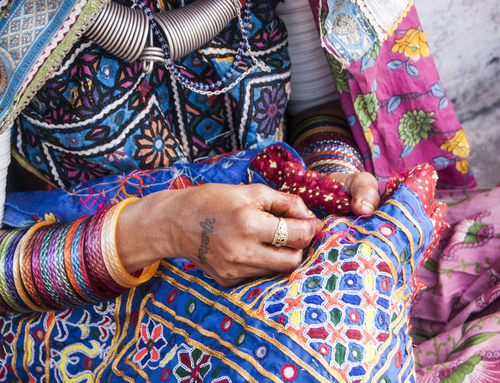
India has more distinct textile and craft traditions than any other country on earth. This is not an approximation. The combination of 28 states, dozens...
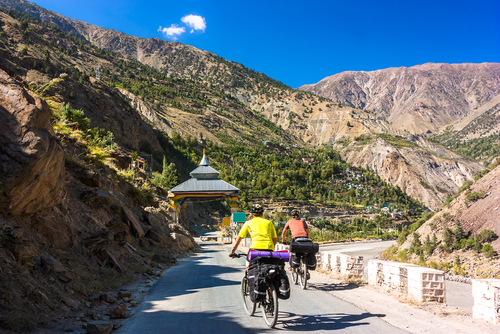
India bookings among adventure travellers surged 214% in the past year. Cycling is at the heart of that surge. International cyclists are discovering that India...
You are one step closer to having the best journey of your lifetime! Talk to us, write to us all that you have envisioned for your India trip, and one of our travel experts will connect with you on priority. To help you explicitly we have WhatsApp and Email addresses!


