


Experiential Travel in India: Beyond Sightseeing for International Tourists (2026)
India’s most extraordinary travel experiences are not in its monuments. They are in a weaver’s workshop in Varanasi where a Banarasi silk sari takes three...


 18884507235

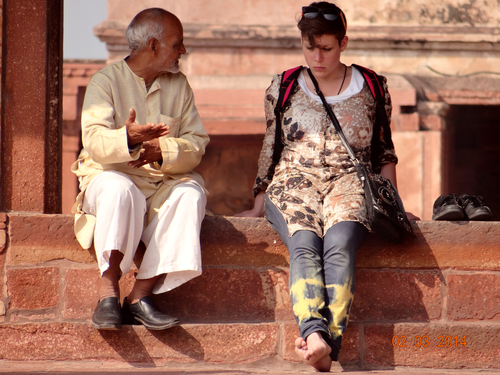
India is a country of enormous cultural and religious diversity, and what counts as polite behavior can shift noticeably from one region, community, or setting to another. Still, there are broad principles of cultural etiquette that will serve any international traveler well, whether you’re navigating a crowded market in Delhi, a temple in Tamil Nadu, or a village homestay in Himachal Pradesh. Here’s a detailed, practical guide to help you travel respectfully and confidently in 2026.
Do use the namaste greeting. Pressing your palms together at chest level with a slight bow is a widely recognized, respectful greeting across India, appropriate in almost any setting, from formal meetings to casual encounters.
Do use your right hand. In much of India, the left hand is traditionally associated with personal hygiene and considered unclean for social interactions. Use your right hand for eating, giving or receiving items, and shaking hands where that’s the local custom.
Don’t assume a handshake is always appropriate. While handshakes are common in urban, professional settings, especially between men, it’s respectful to let the other person initiate physical greetings, particularly with people of the opposite gender in more conservative or rural areas.
Do address elders with respect. Terms like “ji” added after a name (as in “Sharma-ji”) signal respect, and it’s common courtesy to greet the oldest person in a room first in more traditional settings.
Do dress modestly. Covering shoulders and knees is a safe general rule at temples, mosques, gurudwaras, and other religious sites. Some temples provide wraps or cloths if your outfit doesn’t meet their requirements.
Do remove your footwear. Shoes are typically left outside temples, mosques, gurudwaras, and many traditional homes. Look for shoe racks or designated areas, and follow the lead of those around you.
Do cover your head where required. Sikh gurudwaras require head covering for all visitors regardless of gender, and scarves or cloths are usually available at the entrance if you don’t have your own.
Don’t touch idols or sacred objects unless explicitly invited to do so by a priest or temple authority.
Don’t point your feet toward deities, religious texts, or other people. Feet are considered the most impure part of the body in many Indian traditions, so avoid pointing them at people, sacred objects, or images of deities, and be mindful when sitting on the floor.
Do ask before photographing inside religious sites. Many temples restrict photography in certain areas, particularly around the main sanctum, and some cremation sites like those in Varanasi strictly prohibit photography altogether out of respect for grieving families.
While India’s dress norms vary significantly by region and setting, especially between major cities and smaller towns, a few general guidelines help:
Do dress conservatively in smaller towns and rural areas. Loose, modest clothing covering shoulders and knees is generally appreciated and helps you avoid unwanted attention, particularly for women travelers.
Do adapt to local norms in cosmopolitan cities. Cities like Mumbai, Bangalore, and Delhi’s more upscale neighborhoods have considerably more relaxed dress expectations, closer to what you’d see in other major global cities.
Don’t wear beachwear away from the beach. Swimwear appropriate for Goa’s beaches would be considered inappropriate in most other settings, including elsewhere in Goa itself, away from the coastline.
Do eat with your right hand if eating with your hands, which is common and perfectly acceptable practice across much of India, particularly with rice based meals.
Do try local food with an open mind, but pace yourself with spice levels if you’re not used to them, and ask about ingredients if you have dietary restrictions.
Don’t assume alcohol is welcome everywhere. Many religious towns, including Rishikesh, Haridwar, and Pushkar, prohibit alcohol entirely, and some states have specific dry days or restricted sale periods.
Do respect vegetarian traditions. A large portion of India’s population is vegetarian for religious or cultural reasons, and many households and restaurants maintain strictly vegetarian kitchens. It’s respectful to ask before assuming non-vegetarian food is available or acceptable in someone’s home.
Don’t waste food, particularly when dining with a host family or at a homestay, since food is often considered sacred in Indian culture and wasting it can be seen as disrespectful.
Do be patient with bureaucracy and queues. Processes that might seem slow or disorganized by international standards are common, and visible frustration rarely speeds things up or reflects well on you as a visitor.
Don’t display affection publicly. Public displays of affection between couples, even hand holding in some conservative areas, can draw unwanted attention. It’s generally best to keep physical affection private, particularly outside major cosmopolitan cities.
Do ask before photographing people, especially in villages, at religious sites, or in more traditional settings. A simple gesture asking permission goes a long way, and many people are happy to be photographed once asked respectfully.
Don’t touch someone’s head, including children’s heads, as it’s considered the most sacred part of the body in many Indian traditions.
Do expect direct questions about personal topics, such as your marital status, income, or age. These questions are typically asked out of genuine curiosity and friendliness rather than rudeness, and a polite, general answer is usually sufficient if you’d rather not go into detail.
Do be aware of more conservative gender norms in rural and smaller town settings, where interactions between unrelated men and women may be more reserved than in major cities.
Don’t assume Western dating or social norms apply universally. Attitudes toward gender interactions vary considerably across India’s regions, religions, and communities, so observing local behavior before acting is a safe approach.
Do support and respect local women guides, hosts, and business owners, who are increasingly present across India’s tourism industry and often provide valuable, culturally attuned insight for travelers.
Do tip for good service. While not always mandatory, tipping around 10 percent at restaurants, and modest amounts for hotel staff, drivers, and guides, is appreciated and increasingly expected, particularly in tourist heavy areas.
Don’t flash large amounts of cash or expensive belongings, particularly in crowded markets or public transport, as a matter of basic safety and cultural sensitivity around visible wealth.
Do negotiate respectfully in markets and with auto rickshaws where prices aren’t fixed, but avoid aggressive haggling purely to save small amounts, since it can come across as disrespectful given the price differences involved are often minor by international standards.
In someone’s home: Remove your shoes, accept food or drink graciously even if you only take a small amount, and bring a small gift such as sweets if visiting for a meal or celebration.
At a wedding: Indian weddings are elaborate, multi-day affairs, and appropriate dress is typically festive and formal. If invited, ask your host about expected attire and gift customs in advance.
During festivals: Many festivals, such as Holi, involve enthusiastic public participation, including being covered in colored powder. Wear clothes you don’t mind ruining, and participate with good humor rather than reservation.
India’s cultural etiquette isn’t about memorizing a rigid rulebook, it’s about approaching the country with humility, observation, and genuine respect for local customs that may differ significantly from your own. Most Indians are remarkably forgiving of honest cultural missteps from visitors making a genuine effort, and a little awareness goes a long way toward building warm, meaningful connections during your 2026 trip. When in doubt, watch what those around you are doing, ask politely if you’re unsure, and approach every interaction with curiosity rather than assumption.
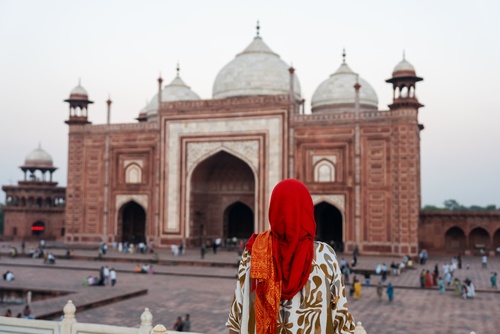
India’s most extraordinary travel experiences are not in its monuments. They are in a weaver’s workshop in Varanasi where a Banarasi silk sari takes three...
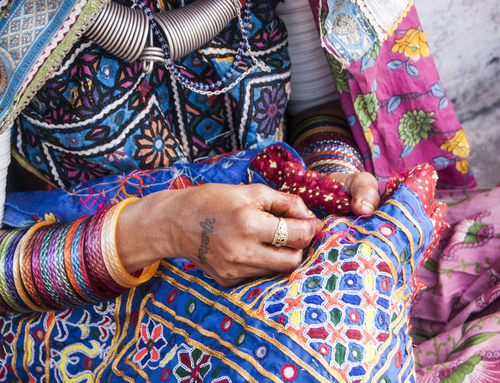
India has more distinct textile and craft traditions than any other country on earth. This is not an approximation. The combination of 28 states, dozens...
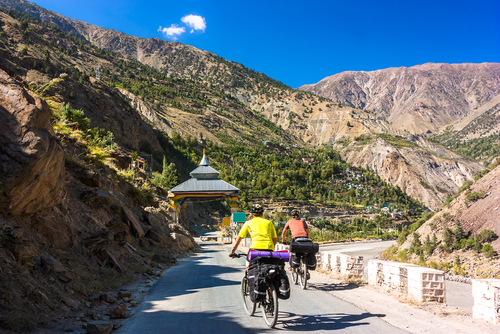
India bookings among adventure travellers surged 214% in the past year. Cycling is at the heart of that surge. International cyclists are discovering that India...
You are one step closer to having the best journey of your lifetime! Talk to us, write to us all that you have envisioned for your India trip, and one of our travel experts will connect with you on priority. To help you explicitly we have WhatsApp and Email addresses!


