


Experiential Travel in India: Beyond Sightseeing for International Tourists (2026)
India’s most extraordinary travel experiences are not in its monuments. They are in a weaver’s workshop in Varanasi where a Banarasi silk sari takes three...


 18884507235

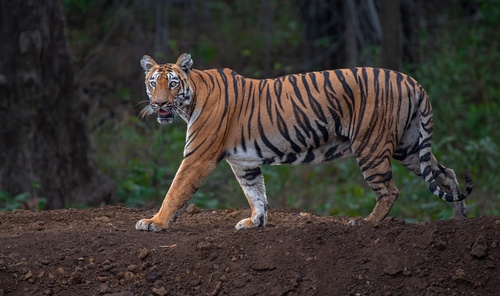
India is home to over 70% of the world’s wild tiger population, and its network of tiger reserves offers some of the most rewarding wildlife safari experiences anywhere on the planet. From the dry deciduous forests of Central India to the mangroves of the Sundarbans, each reserve has its own landscape, wildlife density, and safari culture. If you’re planning a tiger safari in 2026, here’s a detailed guide to India’s best reserves and what makes each one worth the trip.
Ranthambore is arguably India’s most famous tiger reserve, and for good reason. Its dramatic landscape — dotted with ancient banyan trees, lakes, and the ruins of a 10th-century fort — creates a uniquely photogenic backdrop for tiger sightings. Ranthambore’s tigers are also known for being relatively more visible during the day compared to other reserves, making it a favorite among first-time safari-goers.
Best zones: Zones 3, 4, and 5 are considered prime tiger territory. Best time to visit: October to June, with April-June offering higher sighting chances due to water scarcity drawing animals to remaining water bodies. Getting there: Nearest railway station is Sawai Madhopur, well connected to Delhi, Jaipur, and Mumbai.
Bandhavgarh has one of the highest tiger densities in India, making it an excellent choice for travelers who want the best odds of a sighting. The park’s hilly terrain, ancient caves, and the historic Bandhavgarh Fort add cultural depth to the wildlife experience.
Best zones: Tala zone is the most famous and offers the highest sighting probability, though it’s also the most crowded. Best time to visit: February to April for the best sightings, though the park closes during monsoon (July-September). Getting there: Nearest railway station is Umaria, roughly 2-3 hours by road.
Said to have inspired Rudyard Kipling’s “The Jungle Book,” Kanha is one of India’s largest and best-managed tiger reserves. Its sal and bamboo forests, meadows, and well-maintained safari infrastructure make it ideal for a more immersive multi-day wildlife experience. Kanha is also a stronghold for the rare barasingha (swamp deer), which was brought back from near-extinction through dedicated conservation efforts here.
Best zones: Kanha and Kisli zones offer the highest tiger sighting frequency. Best time to visit: November to April. Getting there: Nearest airport is Jabalpur, around 4-5 hours by road.
India’s oldest national park, Corbett offers a stunning mix of terrain — dense forest, grasslands, riverbeds, and hills — set against the backdrop of the Himalayan foothills. Beyond tigers, Corbett is known for its healthy elephant population and diverse birdlife, making it a well-rounded destination even for travelers less focused on a single species.
Best zones: Dhikala zone offers the richest wildlife experience but requires advance booking and often an overnight stay inside the park. Best time to visit: November to June, with the park closed during monsoon. Getting there: Nearest railway station is Ramnagar, about 6 hours from Delhi by road.
Often called the “Jewel of Vidarbha,” Tadoba has rapidly grown in popularity due to its consistently high tiger sighting rates and relatively less touristy feel compared to Ranthambore or Bandhavgarh. The mix of teak forests, lakes, and meadows also supports healthy populations of leopards, sloth bears, and Indian wild dogs (dholes).
Best zones: Moharli and Tadoba zones are known for frequent sightings. Best time to visit: February to May, when the dry season pushes wildlife toward remaining water sources. Getting there: Nearest city is Nagpur, roughly 2.5-3 hours by road.
Straddling the border of Madhya Pradesh and Maharashtra, Pench is another park inspired by Kipling’s “Jungle Book” setting. It offers a quieter, less crowded alternative to some of Central India’s more famous reserves, with dense teak forests and a healthy tiger population.
Best zones: Turia and Karmajhiri gates are the most popular entry points on the Madhya Pradesh side. Best time to visit: February to April. Getting there: Nearest airport is Nagpur, about 2 hours by road.
For a completely different kind of tiger safari, the Sundarbans offers boat-based wildlife viewing through the world’s largest mangrove forest, shared between India and Bangladesh. Tigers here are famously elusive and adapted to swimming between islands, so sightings are rarer than in Central India’s parks — but the unique ecosystem, saltwater crocodiles, and rich birdlife make it a rewarding trip regardless.
Best time to visit: November to February, when the weather is cooler and more comfortable for boat safaris. Getting there: Accessible via Kolkata, followed by a road and boat journey of around 3-4 hours.
Part of the larger Nilgiri Biosphere Reserve, these adjoining parks in southern India offer dense forest safaris with strong populations of tigers, elephants, and leopards. The southern setting, with its cooler climate and lush greenery, offers a nice contrast to the drier landscapes of Central India’s reserves.
Best time to visit: October to May. Getting there: Nearest major city is Mysuru, about 1.5-2 hours by road.
India’s tiger reserves offer some of the most thrilling and well-organized wildlife experiences in the world, each with its own character — from Ranthambore’s fort-backed landscapes to the mangrove mystery of the Sundarbans. Whether you’re chasing your first tiger sighting or returning for a deeper wildlife experience, planning around the right season and reserve will make all the difference in your 2026 safari.
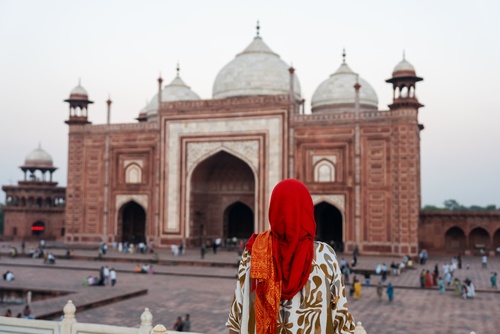
India’s most extraordinary travel experiences are not in its monuments. They are in a weaver’s workshop in Varanasi where a Banarasi silk sari takes three...

India has more distinct textile and craft traditions than any other country on earth. This is not an approximation. The combination of 28 states, dozens...
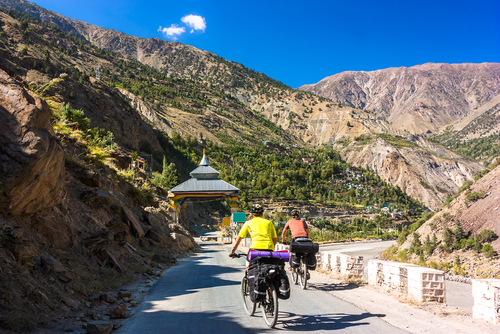
India bookings among adventure travellers surged 214% in the past year. Cycling is at the heart of that surge. International cyclists are discovering that India...
You are one step closer to having the best journey of your lifetime! Talk to us, write to us all that you have envisioned for your India trip, and one of our travel experts will connect with you on priority. To help you explicitly we have WhatsApp and Email addresses!


