


Experiential Travel in India: Beyond Sightseeing for International Tourists (2026)
India’s most extraordinary travel experiences are not in its monuments. They are in a weaver’s workshop in Varanasi where a Banarasi silk sari takes three...


 18884507235

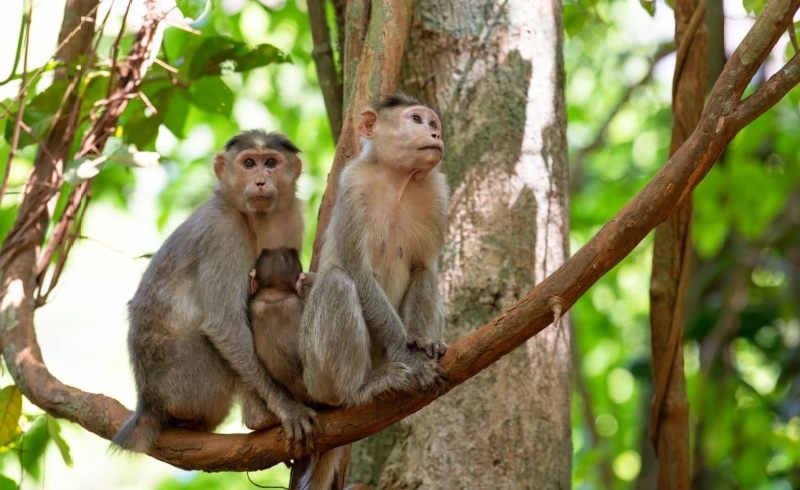
India is home to some of the most biodiverse ecosystems in the world. If you’ve ever wondered, “Does India have a jungle?”, the answer is a resounding yes. From the mist-covered hills of the Northeast to the dense Western Ghats and island ecosystems in the Bay of Bengal, the rainforests in India are rich with rare wildlife, towering ancient trees, indigenous cultures, and thrilling forest trails. These forests are not just green spaces on a map, they are complex, living ecosystems that support thousands of plant and animal species, many of which are found nowhere else on Earth.
If you’re planning a wildlife-focused escape in 2026, exploring a rainforest in India offers a raw and immersive experience far removed from city life. Whether you’re a serious wildlife photographer, an adventure trekker, or simply a nature enthusiast, these lush landscapes promise biodiversity, dramatic scenery, and unforgettable encounters with the wild.
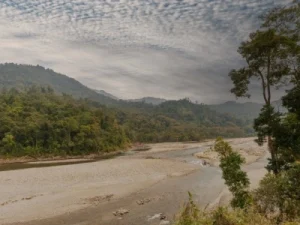
Often considered the largest rainforest in India, Namdapha National Park is a remarkable biodiversity hotspot nestled in the Eastern Himalayas near the India–Myanmar border. Spanning over 1,985 square kilometres, this vast tropical rainforest in India ranges dramatically in altitude, from around 200 metres to over 4,500 metres above sea level. This unique elevation gradient allows multiple forest types to coexist, including tropical evergreen rainforest, subtropical forest, temperate forest, and even alpine meadows.
What makes Namdapha especially extraordinary is its remoteness. Unlike many other forests of India that are relatively accessible, Namdapha remains largely unexplored and retains a true wilderness character. Thick canopies block sunlight in many sections, rivers cut through dense vegetation, and mist often lingers over the treetops, creating an atmosphere that feels prehistoric and untouched.
Namdapha is one of the very few protected areas in the world that is believed to host four big cat species, the Bengal tiger, Indian leopard, snow leopard, and clouded leopard. This alone makes it one of the most ecologically significant jungles of India.
Beyond big cats, the park shelters:
In 2026, as eco-tourism and sustainable travel gain more importance, Namdapha stands out as a destination where travellers can experience biodiversity responsibly. Its relatively low tourist footprint ensures a more authentic rainforest India experience compared to more commercial wildlife parks.
Trekking through Namdapha feels like stepping into a deep forest in India where nature reigns supreme. Trails can stretch for days, passing through river valleys, bamboo groves, and dense evergreen forests. The terrain is rugged, the weather can be unpredictable, and mobile connectivity is almost non-existent, adding to the thrill.
Because of its remoteness, it is sometimes considered among India’s most dangerous forests, not due to human activity, but because of its wild terrain, thick vegetation, and presence of apex predators. This makes it ideal for seasoned adventurers seeking raw exploration rather than curated safari experiences.
Wildlife photography, multi-day jungle treks, and guided expeditions with local experts offer deeply immersive ways to explore this tropical rainforest in India.
Best Time to Visit: October to April
The post-monsoon and winter months offer clearer trails, better wildlife visibility, and more comfortable trekking conditions, making it the ideal season to explore this magnificent rainforest.
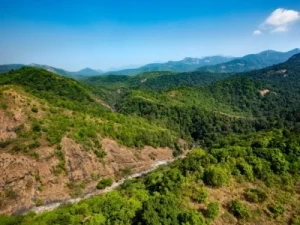
Located deep within the Nilgiri Hills of the Western Ghats, Silent Valley National Park is one of the most pristine and scientifically significant rainforests in India. Often described as the last extensive stretch of untouched tropical evergreen forest in peninsular India, it represents the classic tropical rainforest in India, dense, multi-layered, and teeming with life.
The park is defined by its thick canopy, which allows very little sunlight to reach the forest floor, creating a cool, shaded ecosystem even during warmer months. The Kunthipuzha River flows quietly through the valley, adding to the untouched charm of this ecological treasure. Unlike many forests of India that have experienced varying degrees of human intervention, Silent Valley remains remarkably undisturbed due to strong conservation movements that protected it from hydroelectric development decades ago.
Silent Valley is globally recognised for sheltering the endangered lion-tailed macaque, a rare primate found only in the Western Ghats. Spotting this shy and charismatic species in its natural habitat is one of the biggest highlights of visiting this rainforest India destination.
Other compelling reasons to visit include:
As sustainable travel becomes increasingly important in 2026, Silent Valley stands out as a model for conservation-led tourism where visitor numbers are regulated and ecological balance is prioritised.
Guided forest treks are the primary way to explore Silent Valley, ensuring both safety and ecological sensitivity. Walking along designated trails through towering evergreen trees, lianas, and moss-covered trunks offers an immersive rainforest India experience.
The sounds of cicadas, distant bird calls, and rustling leaves replace city noise, making every step feel meditative yet adventurous. For wildlife enthusiasts, butterfly spotting and birdwatching are particularly rewarding here. The experience perfectly captures what most travellers imagine when they think of a tropical rainforest in India, lush, humid, mysterious, and alive.
Best Time to Visit: December to April
These months offer clearer skies, comfortable temperatures, and better visibility for wildlife sightings before the heavy monsoon sets in.

If you are searching for the most exotic rain forest in India, the Great Nicobar Biosphere Reserve is truly unmatched. Located at the southernmost tip of India, this remote island ecosystem is geographically closer to Southeast Asia than mainland India. Its equatorial climate supports dense tropical rainforests that resemble Indonesian and Malaysian jungles more than typical Indian forests.
The reserve encompasses evergreen forests, coastal forests, mangrove swamps, and riverine ecosystems, creating an incredibly diverse habitat network. Towering dipterocarp trees, thick undergrowth, and humid air define the landscape, making it one of the most biodiverse forests of India. Its relative isolation has helped preserve rare and endemic species found nowhere else in the country.
Great Nicobar offers a rainforest India experience unlike any other:
It is also home to indigenous communities whose traditional lifestyles have remained closely connected to the forest. The combination of rainforest, mangrove, and coastal ecosystems makes it one of the most ecologically complex regions in forest India tourism.
In 2026, for travellers seeking truly offbeat and less crowded forest tourist places in India, Great Nicobar offers exclusivity and raw wilderness.
This is not a conventional wildlife safari destination. Exploring Great Nicobar feels like stepping into a remote equatorial jungle. The terrain can be challenging, and access is controlled to protect its fragile ecosystem. Special permits are required, adding to its aura of exclusivity.
Trekking through dense rainforests, exploring mangrove creeks, and observing rare birdlife offer an unmatched sense of adventure. The isolation and limited infrastructure make it one of the most untouched and wild rainforest India experiences available.
Best Time to Visit: November to March
The relatively drier months provide safer travel conditions, calmer seas, and better accessibility before the intense monsoon season arrives.
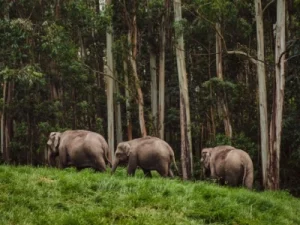
Periyar National Park, also known as the Periyar Tiger Reserve, beautifully blends tropical rainforest landscapes with wildlife-rich habitats, making it one of the most famous forests in India. Nestled in the Western Ghats near Thekkady, this protected area spans over 900 sq km and is centred around the scenic Periyar Lake, an artificial reservoir created during the colonial era.
Unlike many other forests of India, Periyar offers a mix of moist deciduous forest, semi-evergreen forest, and patches of true tropical rainforest in India, creating diverse habitats that support a wide range of wildlife. The combination of thick forest cover and open water makes it one of the most accessible and rewarding rainforest India experiences for travellers.
Periyar remains one of the best forests in India for organised and sustainable eco-tourism experiences.
Key highlights include:
The iconic boat safari across Periyar Lake is a major draw. As the boat glides through calm waters, submerged tree trunks rise dramatically from the lake, while animals gather along the forest edge. This makes Periyar one of the most photographed forest tourist places in India.
With increasing interest in responsible wildlife travel in 2026, Periyar stands out for its structured conservation programs and community-led tourism initiatives.
Periyar offers a more organised yet equally thrilling way to explore rainforest India landscapes.
Adventure activities include:
These curated experiences allow travellers to safely immerse themselves in the jungle of India while learning about conservation efforts. The balance between adventure and safety makes Periyar ideal for both first-time wildlife travellers and seasoned explorers.
Best Time to Visit: October to May
These months offer pleasant weather and better wildlife visibility, especially during the drier season when animals gather near water sources.
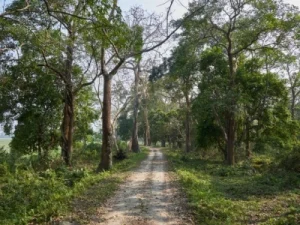
Often called the “Amazon of the East,” Dehing Patkai National Park is one of the richest tropical rainforests in India. Located in Assam’s eastern region, this lush forest is part of the globally significant Indo-Burma biodiversity hotspot and represents one of the finest examples of lowland rainforest India ecosystems.
Its dense evergreen canopy, towering Hollong trees, thick undergrowth, and humid climate create a truly immersive jungle atmosphere. Unlike many other forests in India, Dehing Patkai remains relatively less commercialised, offering a more authentic and raw rainforest experience.
Dehing Patkai is among the most biodiverse jungles of India, making it a dream destination for wildlife enthusiasts.
Key highlights include:
For travellers wondering “Where are rainforests located in India?”, Dehing Patkai offers one of the clearest answers, in the lush, high-rainfall regions of Northeast India.
Its untouched character and dramatic greenery make it one of the most scenic forest tourist places in India.
Walking through Dehing Patkai feels like stepping into a deep forest in India that remains largely unexplored. The dense canopy filters sunlight, creating a mysterious and almost cinematic jungle setting.
Activities include:
The forest’s immersive atmosphere makes it ideal for serious nature lovers, photographers, and eco-travellers seeking an authentic rainforest India adventure away from mainstream tourist circuits.
Best Time to Visit: November to April
The post-monsoon months bring lush greenery while offering relatively comfortable travel conditions before heavy rains return.
The majority of rainforests in India are concentrated in:
These regions receive heavy rainfall and maintain dense evergreen forests year-round.
The rainforests of India are more than just thick jungles , they are living ecosystems that house endangered wildlife, indigenous communities, and some of the most dramatic landscapes in Asia. Whether you’re looking for the biggest forest in India, a deep forest in India, or simply the best forest in India for adventure, 2026 is the perfect year to explore these wild sanctuaries.
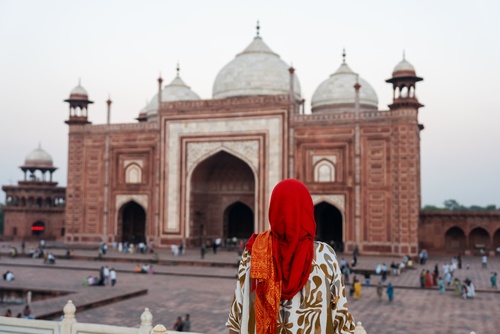
India’s most extraordinary travel experiences are not in its monuments. They are in a weaver’s workshop in Varanasi where a Banarasi silk sari takes three...

India has more distinct textile and craft traditions than any other country on earth. This is not an approximation. The combination of 28 states, dozens...
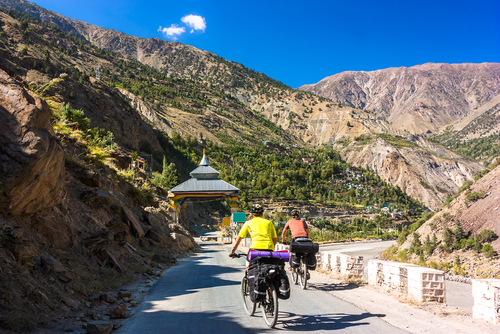
India bookings among adventure travellers surged 214% in the past year. Cycling is at the heart of that surge. International cyclists are discovering that India...
You are one step closer to having the best journey of your lifetime! Talk to us, write to us all that you have envisioned for your India trip, and one of our travel experts will connect with you on priority. To help you explicitly we have WhatsApp and Email addresses!


